
 Multiple Faces Detected


 July 6th, 2026
Someone slides into your DMs claiming to be a wealthy older individual who wants to send you hundreds or thousands of dollars a week just for your company. No strings attached. The offer sounds almost too easy because it is. Sugar daddy scams are among the fastest-growing romance fraud patterns targeting people on Instagram, TikTok, Grindr, Snapchat, and dating apps.
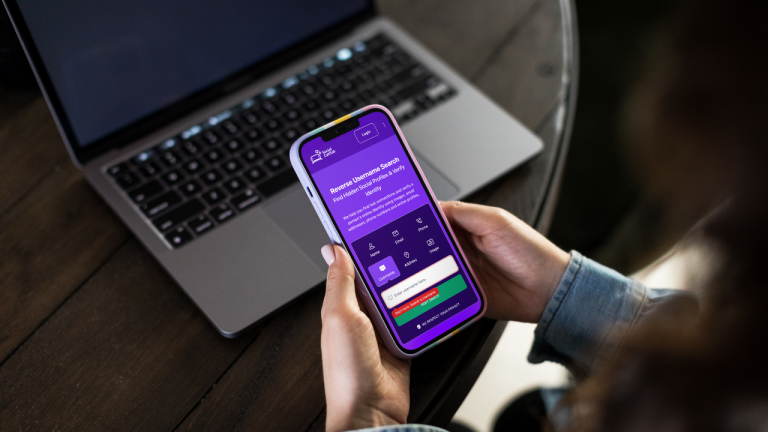
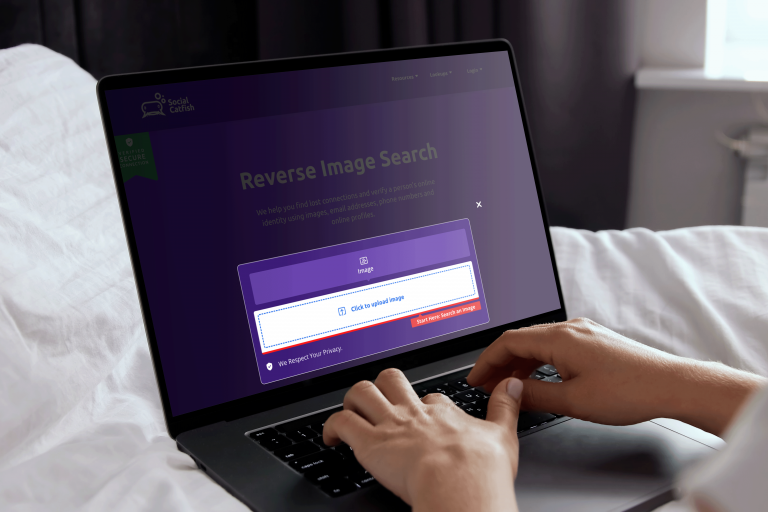
This guide covers exactly how they work, the specific payment traps to watch for, what happens when they escalate, and how to verify whether the person contacting you is real before you respond to anything. If you want to confirm a sugar daddy offer is genuine before engaging, Social Catfish’s reverse search verifies real identities from a profile photo, username, or phone number in minutes.
What Is a Sugar Daddy Scam?
A sugar daddy scam is a fraud where someone poses as a wealthy older individual offering a generous weekly allowance in exchange for companionship. The goal is not companionship. It is to extract money, gift cards, personal banking details, or intimate photos before disappearing.
Sugar daddy scams fall under the FTC’s romance scam category, which has generated more than 311,000 reports since 2020 and over $5.3 billion in total losses. They are one of the most financially damaging fraud categories tracked by federal agencies, and they disproportionately target younger people on social platforms who receive the initial offer as an unsolicited DM with no prior relationship to the sender.
How Sugar Daddy Scams Work: Step by Step
The pattern is consistent across every platform where these scams operate.
Step 1: Unsolicited contact.
A DM or friend request arrives from a profile presenting as a wealthy older individual. The profile typically shows luxury photos, expensive cars, travel, watches, and has either a large follower count or a recently created account with purchased engagement.
Step 2: The offer.
A generous weekly allowance is offered immediately, typically ranging from $500 to $3,000 per week just for conversation and companionship. No experience is required. No in-person meeting is necessary. The offer is framed as simple and low-commitment.
Step 3: Love bombing.
Intense flattery, expressions of immediate connection, and personal interest follow quickly. The scammer builds emotional investment deliberately to lower your guard before the actual trap is set.
Step 4: Move off platform.
The scammer pushes to continue the conversation on WhatsApp, Telegram, or SMS. Moving off platform removes the moderation layer and makes the account harder to report and investigate.
Step 5: The hook.
A request arrives for a small verification payment, gift card codes, or personal banking information before the allowance can be sent. This is always the actual goal of every step before it.
Step 6: Disappearance.
Once the scammer receives what they wanted, money, gift cards, or information, all contact stops. The allowance never arrives.
Sugar Daddy Scam: The Four Specific Payment Traps
The Verification Fee Trap
The most common variation. You must pay a small amount to verify your account, cover transfer fees, or confirm you are a real person before the allowance deposits. The fee disappears, and the allowance never arrives. The amount is typically small enough to feel reasonable against the promised thousands, usually between $20 and $200. That calculation is deliberate. The small amount reduces resistance while generating easy profit across many victims simultaneously.
The Fake Check and Cash App Overpayment Scam
The scammer sends a payment via check, Cash App, or Zelle, then immediately contacts you, saying they sent too much and asks you to return the difference. The original payment reverses after the bank or platform processes it. When it does, you have already sent your own money as the supposed refund, and you lose both amounts. This variation is one of the most financially damaging because the initial payment creates genuine confidence that the relationship is real.
The Gift Card Verification Scam
The scammer asks for Amazon, Google Play, Apple, or iTunes gift card codes as proof of loyalty, account verification, or an alternative to a direct transfer. Gift card codes are redeemed instantly by whoever receives them and are completely irreversible after redemption. No legitimate person ever needs gift card codes as a form of verification. This applies without exception, regardless of how the request is framed.
Personal Information and Identity Theft
The scammer collects banking details, routing numbers, Social Security Number, or payment platform login credentials under the pretext of setting up direct deposit for the allowance. This information is used for unauthorized withdrawals, fraudulent account openings, or sold to other fraud operations. The allowance is never set up.
Grindr Sugar Daddy Scam: What Makes It Different
Grindr is specifically targeted by sugar daddy scammers for several interconnected reasons.
The LGBTQ+ community faces existing stigma around reporting financial scams tied to dating apps. Scammers understand that victims are less likely to report to family, friends, or law enforcement when the context involves a Grindr conversation. That reduced reporting likelihood makes the platform particularly attractive for sustained fraud operations.
Grindr’s design around quick connections also makes the sugar offer feel more contextually natural than it would on other platforms.
The sextortion escalation specific to Grindr:
The Grindr sugar daddy scam often escalates beyond the standard money request. After building initial trust, the scammer requests intimate or explicit photos as proof of commitment or as part of the arrangement. Once photos are received, the tone of the conversation changes immediately. The scammer now threatens to share the photos with the victim’s contacts, family members, or employer unless payment is made.
This is sextortion. It is a federal crime in the United States.
If you received an intimate photo request from a sugar daddy contact on Grindr:
- Do not send photos regardless of how much trust has been established through prior conversation
- If you have already sent photos and are being threatened, do not pay payment confirms you will continue to pay, and demands almost always escalate rather than end
- Report the account to Grindr directly and block immediately
- Report to the FBI’s Internet Crime Complaint Center at ic3.gov, sextortion cases are investigated at the federal level
Before engaging with any sugar daddy offer on Grindr, run their profile photo and any contact details through Social Catfish. Stolen photos, AI-generated profiles, and contact details flagged in scam databases all surface in a single search before any conversation goes further.
Sugar Daddy Scam on PayPal, Cash App, and Venmo
PayPal
The PayPal sugar daddy scam most commonly involves one of two mechanics. The first is a fake PayPal screenshot showing payment was sent before the transfer actually occurs. The screenshot creates false confidence that money is coming while the scammer extracts something in return. The second is a deliberate use of PayPal Friends and Family transfers, which carry zero buyer protection and cannot be reversed, for any payment that is supposed to look legitimate. Unexpected PayPal transfers from strangers should never be treated as guaranteed funds.
Cash App
The Cash App sugar daddy scam follows the advance fee structure almost exactly. The scammer asks you to send a small test payment to unlock or release the larger transfer they claim they want to send you. Cash App payments are instant and irreversible. The test payment disappears, and the promised transfer never arrives. The scammer may also send a fake Cash App screenshot showing funds pending to create urgency around your test payment.
Venmo and Zelle
The overpayment mechanic applies to both platforms. The scammer sends an amount larger than discussed and immediately asks for the difference back. When the original payment reverses because it was made with stolen information or a fraudulent account, you have already sent your own money as the supposed return. Zelle specifically has no fraud protection for payments you authorized yourself. Once sent through Zelle, the payment is gone.
Before sending any payment via any platform to a sugar daddy contact, run their identity through Social Catfish. Real phone numbers, real names, and real accounts leave consistent traces across platforms. Fake identities built for scam operations show mismatched information, recently created throwaway accounts, and no legitimate online history.
Sugar Daddy Scam Nude: When It Escalates to Sextortion
Some sugar daddy scams escalate beyond money to intimate image collection and blackmail. This escalation deserves direct coverage because the people affected by it often do not know where to turn.
The pattern follows a consistent progression. The scammer builds trust over days or weeks through the standard sugar daddy conversation. Intimate or explicit photo requests arrive framed as proof of commitment, proof of loyalty, or as part of the arrangement itself. Once photos are received, the nature of the conversation changes. The scammer now threatens to share the photos with your contacts, family members, or employer unless payment is made immediately.
This is sextortion regardless of how it began. It is a federal crime in the United States and is investigated and prosecuted by the FBI.
If you are in this situation:
You are not alone and you did not cause this. These operations are run by organized criminal networks specifically designed to reach this outcome.
- Do not pay. Payment does not end the threat; it confirms you will pay again and demands that it be reliably escalated.
- Do not delete the conversation. Screenshot and preserve all messages, usernames, phone numbers, and any accounts used. This documentation is essential for any report.
- Report to the FBI’s Internet Crime Complaint Center at ic3.gov immediately.
- If the victim is under 18, report to the National Center for Missing and Exploited Children’s CyberTipline at cybertipline.org.
- Contact the Stop NCII platform at stopncii.org, a hash-matching tool that prevents intimate images from being distributed across major platforms, including Facebook, Instagram, TikTok, and others.
- Run the scammer’s contact details through Social Catfish before filing your report. Their real identity, associated accounts across platforms, and other linked contact details significantly strengthen any report filed with law enforcement.
How to Spot a Fake Sugar Daddy: Red Flags Checklist
- Unsolicited DM from someone you have never interacted with, offering money within the first message or two
- Profile is new with few followers, limited posts, and photos that look professionally shot or stock-like
- The offer is disproportionately generous for minimal or no real effort on your part
- Pushes quickly to move the conversation off platform to WhatsApp, Telegram, or SMS
- Love bombing — intense declarations of interest or connection within hours of first contact
- Asks for a verification payment, gift card codes, or personal banking information before sending anything
- Shows you fake screenshots of previous payments to other sugar babies as proof of legitimacy
- Consistently avoids live video calls or has a different excuse every time you suggest one
- Photos look too perfect or have the characteristics of AI-generated images covered in our guide to spotting AI dating profile photos
How to Verify If a Sugar Daddy Is Real: Before You Respond
The most protective step available before engaging with any sugar daddy offer is verifying whether the person is real before you respond to anything.
Free checks to run first:
- Upload their profile photo to Google Images or TinEye. If the photo appears on other profiles under different names, it is stolen from a real person’s social media.
- Search their username directly on Instagram, Twitter/X, and TikTok. Real wealthy individuals with an online presence have consistent accounts across platforms with a genuine history. Newly created accounts with purchased followers do not.
- Request a live video call and ask them to perform a specific spontaneous action. Real people pass this. Scammers always have an excuse.
- Search their name or username alongside the word scam in Google. Documented scam accounts often surface in victim warning posts on Reddit, Quora, and consumer complaint sites.
Social Catfish for comprehensive verification:
Enter their profile photo, phone number, username, or email address into Social Catfish. One search returns whether their profile photo belongs to them or appears under different names on other platforms, whether the phone number traces to a real registered identity, every social media account and online profile connected to their contact details, and whether their identity has been previously flagged in connection with known scam activity.
If someone is offering you hundreds of dollars a week for minimal effort, taking two minutes to verify their identity before responding is the most rational protective step available. A real offer from a real person survives that check without any problem.
What to Do If You Already Sent Money or Information
Act as quickly as possible. The window for any intervention narrows rapidly.
- Contact your bank or payment platform immediately. Cash App, PayPal, Venmo, and Zelle all have fraud reporting processes. Speed matters significantly for any recovery possibility.
- If gift cards were sent, call the issuer immediately and report fraud before the codes are redeemed. Apple: 1-800-275-2273. Amazon: 1-888-280-4331. Google Play: 1-855-836-3987.
- If personal information was shared, place a fraud alert with all three major credit bureaus — Equifax at equifax.com, Experian at experian.com, and TransUnion at transunion.com. This prevents new accounts from being opened in your name.
- Report to the FTC at reportfraud.ftc.gov.
- File with the FBI at ic3.gov.
- Report the account to the platform it originated on using the in-app reporting function.
- Run the scammer’s contact details through Social Catfish before filing your reports. Their real identity, associated accounts, and linked contact details across platforms make your report significantly more actionable for investigators.
FAQ
A scammer poses as a wealthy older individual and offers a generous weekly allowance in exchange for companionship. After building trust through flattery and love bombing, they request a small verification payment, gift card codes, or personal banking information before the allowance can supposedly be sent.
Run their profile photo and any contact details through Social Catfish before engaging. Be aware that Grindr sugar daddy scams often escalate to sextortion requests for intimate photos followed by blackmail threats, so any intimate photo request from an unverified contact should be treated with caution.
Almost certainly yes. The Cash App sugar daddy scam specifically asks you to send a small test payment to unlock or release the larger transfer. Cash App payments are irreversible. No legitimate person needs you to send them money before they can send money to you.
Do not send photos. If you have already sent photos and are being threatened, do not pay the demand; the payment escalates rather than ends the threat. Document everything, report to the FBI at ic3.gov, and contact Stop NCII at stopncii.org to prevent distribution across major platforms.
Reverse image search their profile photo through Google Images or Social Catfish. Search their username across platforms for a consistent history. Request a live video call with a spontaneous specific action. Run their phone number, email, or profile photo through Social Catfish to confirm their real identity and check whether their contact details are linked to known scam activity.
Conclusion
Sugar daddy scams succeed because the initial offer is designed to feel like an opportunity rather than a threat. The amounts are generous. The commitment appears minimal. The contact is flattering. Every element of the opening approach is calibrated to lower your guard before the trap is set.
The verification step is the one that breaks the entire sequence. A real wealthy person with a genuine offer has a consistent, verifiable identity that holds up under basic scrutiny. A scammer with a fabricated profile and a stolen photo does not. Running their contact details through Social Catfish before responding to anything takes two minutes and answers the only question that matters before any of the rest of it.
If you have already been targeted and lost money or had photos taken, you are not alone and you did not cause this. The resources above and the reporting steps exist to help you. Use them.