 Multiple Faces Detected


 September 11th, 2025
You get a text from what looks like your bank. The number seems legitimate. You might even recognize it from previous messages. But here’s the thing – that “verified” number might not be what it seems.
Scammers have gotten smarter. They’re not just using random phone numbers anymore. Now they’re using text verified numbers to make their scams look more convincing. These numbers appear legitimate because they’ve passed certain verification processes. But that doesn’t mean the person using them is trustworthy.
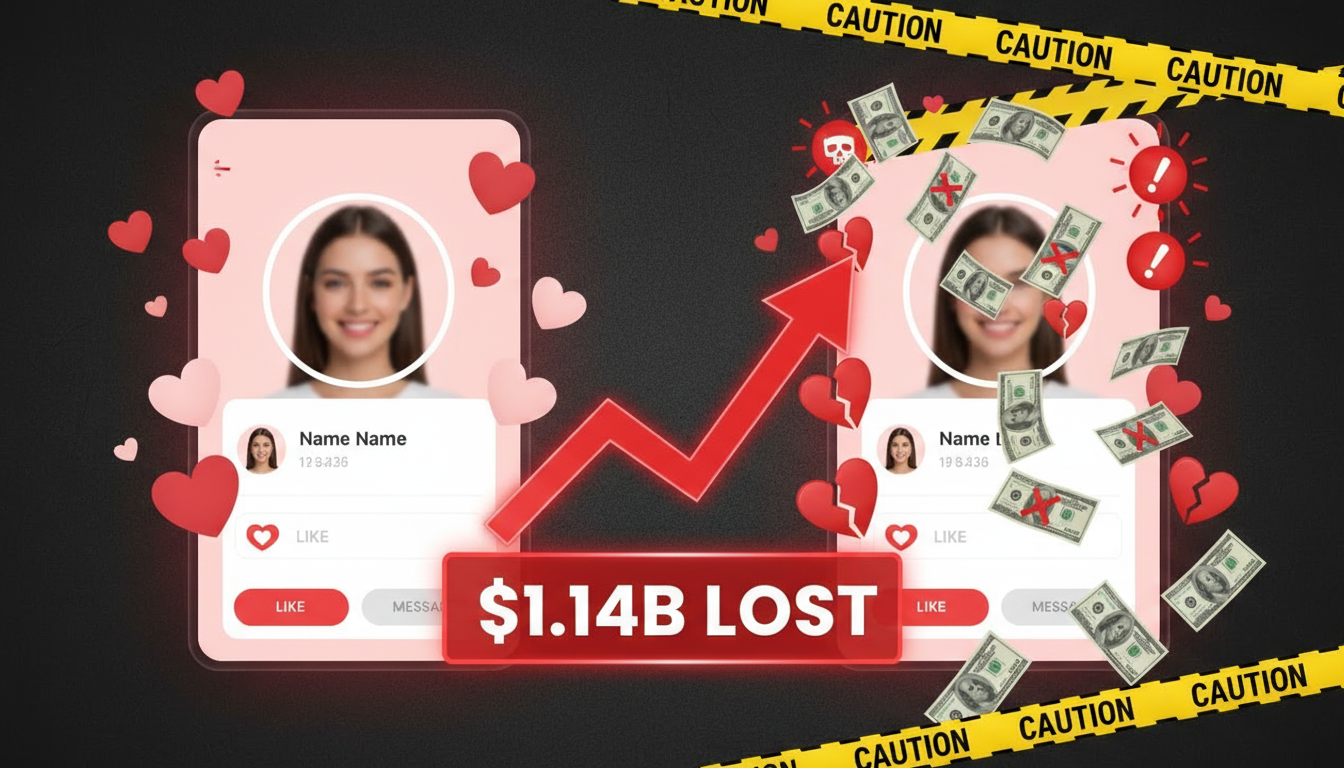
The problem is bigger than most people realize. According to recent data from the Federal Trade Commission, 54% of identity fraud victims in 2024 were first contacted by text message. That’s up from 49% in 2023. And many of these scams start with text verified numbers that look completely legitimate.
What Are Text Verified Numbers?

A text verified number is a phone number that has gone through some form of verification process. This could mean the number was confirmed through SMS verification, linked to a real identity, or validated by a service provider.
But here’s where it gets tricky. Scammers can easily get these verified numbers through several methods:
- Temporary phone number services like those found on sites offering free SMS verification
- Virtual phone number providers that sell verified numbers
- Stolen or compromised legitimate numbers
- SIM swapping attacks, where they take over real phone numbers
The verification process doesn’t guarantee the person using the number is legitimate. It just means the number itself has been confirmed as active and real.
How Scammers Get Text Verified Numbers
Virtual Phone Number Services
Many online services sell verified phone numbers for legitimate business purposes. But scammers abuse these services. They can buy a text verified number for just a few dollars and use it to send thousands of scam messages.
These services often advertise their numbers as “non-VOIP” and “verified,” making them perfect for bypassing security measures that block obvious fake numbers.
SIM Swapping and Number Porting
Scammers sometimes steal real phone numbers through SIM swapping. They contact your phone carrier, pretend to be you, and transfer your number to their device. Suddenly, they have a completely legitimate, text verified number – yours.
This type of attack can happen in minutes and gives scammers access to all your text messages and calls.
Compromised Business Numbers
Some scammers hack into legitimate business accounts and use their verified numbers to send scam messages. This makes the messages look like they’re coming from trusted companies.
Common Scams Using Text Verified Numbers
Fake Delivery Notifications
You receive a text about a package delivery from what appears to be a legitimate shipping company. The number seems verified and official. But when you click the link, you’re taken to a fake website designed to steal your information.
The U.S. Postal Inspection Service warns about these “smishing” attacks that use text messages to trick victims into providing personal information.
Banking and Financial Scams
Scammers use text verified numbers to impersonate banks and credit card companies. They’ll send messages about suspicious activity on your account and ask you to text verify your identity by providing sensitive information.
Two-Factor Authentication Bypass
Here’s a clever one: Scammers will ask you to share verification codes sent to your phone. They claim they need to text verify your account for security purposes. But they’re actually using those codes to break into your real accounts.
Red Flags to Watch For
Even with text verified numbers, scammers often make mistakes that give them away:
Urgent Language and Pressure Tactics
Legitimate companies rarely create artificial urgency in text messages. If a message demands immediate action or threatens consequences, be suspicious – even if it comes from a verified number.
Requests for Personal Information
Real companies won’t ask for sensitive information via text, regardless of whether they’re using a text verified number. This includes:
- Social Security numbers
- Account passwords
- Credit card details
- Verification codes from other accounts
Generic Greetings
Scam messages often use generic greetings like “Dear Customer” instead of your actual name. Legitimate businesses usually personalize their messages.
Suspicious Links
Be wary of shortened URLs or links that don’t match the supposed sender’s domain. Even if the message comes from a text verified number, the link might lead to a malicious website.
How to Protect Yourself
Verify the Sender Independently
Don’t trust a number just because it looks verified. If you receive a suspicious message, contact the company directly using a number from their official website or your account statements.
Social Catfish offers tools to help you verify if messages are legitimate and identify potential scammers.
Use Reverse Phone Lookup
Before responding to messages from unknown numbers, even text verified ones, use a reverse phone lookup service. This can help you identify if the number has been reported for scam activity.
Enable Account Alerts
Set up legitimate alerts from your banks and important accounts. This way, you’ll know what real notifications look like and can spot fakes more easily.
Be Cautious with Verification Codes
Never share verification codes with anyone who contacts you first. Legitimate companies won’t call or text asking for codes they just sent you.
What to Do If You’re Targeted
Don’t Engage
If you receive a suspicious message from a text verified number, don’t respond. Even saying “stop” can confirm to scammers that your number is active.
Report the Scam
Forward suspicious messages to 7726 (SPAM) to help carriers identify and block scam numbers. You can also report scams to the FTC and your local authorities.
Check Your Accounts
If you suspect you’ve been targeted, check all your financial and online accounts for suspicious activity. Change passwords if necessary.
Consider Professional Help
If you’re dealing with persistent scammers or think your identity has been compromised, consider using a service like Social Catfish’s search specialists to investigate further.
The Technology Behind Text Verification
Understanding how text verify systems work can help you spot potential scams. Most legitimate verification systems:
- Send codes that expire quickly (usually within 5-10 minutes)
- Use consistent sender names or numbers
- Include specific details about what the code is for
- Never ask you to share the code with someone else
Scammers often can’t replicate all these features perfectly, even when using text verified numbers.
Staying Safe in a Digital World
The rise of text verified number scams shows how sophisticated online fraud has become. But you don’t have to be a victim. By staying informed and following basic security practices, you can protect yourself from these evolving threats.
Remember: verification of a phone number doesn’t verify the person using it. Always be skeptical of unsolicited messages, even from numbers that appear legitimate.
For more information about protecting yourself from text message scams, check out these helpful resources:
Protecting Your Digital Identity
Text message scams using verified numbers are just one piece of a larger puzzle. Scammers also use these numbers for phishing attempts and to gather information for more sophisticated attacks.
Consider using call and text blocking features offered by your carrier. Many providers now offer advanced filtering that can catch scam messages even from text verified numbers.
If you’re unsure about a message’s legitimacy, tools to help you see who is texting can provide valuable insights before you respond.
Stay vigilant about scammer messages and remember that scammers are constantly evolving their tactics. What worked to protect you last year might not be enough today.
The key is staying informed and trusting your instincts. If something feels off about a message – even from a text verified number – it probably is.