

 Multiple Faces Detected


 September 10th, 2025
You see the flashy Instagram posts. Lamborghinis. Designer clothes. Young entrepreneurs claim they went from broke to millionaire overnight.
Then comes the pitch: “Join Limelight Media and change your life forever.”
But here’s what they don’t tell you upfront. Behind those luxury lifestyle photos lies a web of complaints, refund requests, and people who lost thousands of dollars. The Better Business Bureau has received multiple complaints about Limelight Media, with customers reporting losses ranging from $10,000 to $50,000.
So what’s really going on here? Is the Limelight Media pyramid scheme just another get-rich-quick scam targeting desperate people? Or is there something legitimate buried under all the controversy?
Let’s dig into the facts. And trust me—what you’re about to discover might save you from making a costly mistake.
What Is Limelight Media and How Does It Really Work?
Limelight Media, founded by entrepreneur Mike Barron, markets itself as a digital marketing training company. They promise to teach you high-ticket sales, provide marketing tools, and help you build a six-figure business from home.
Sounds great, right? Here’s where it gets murky.
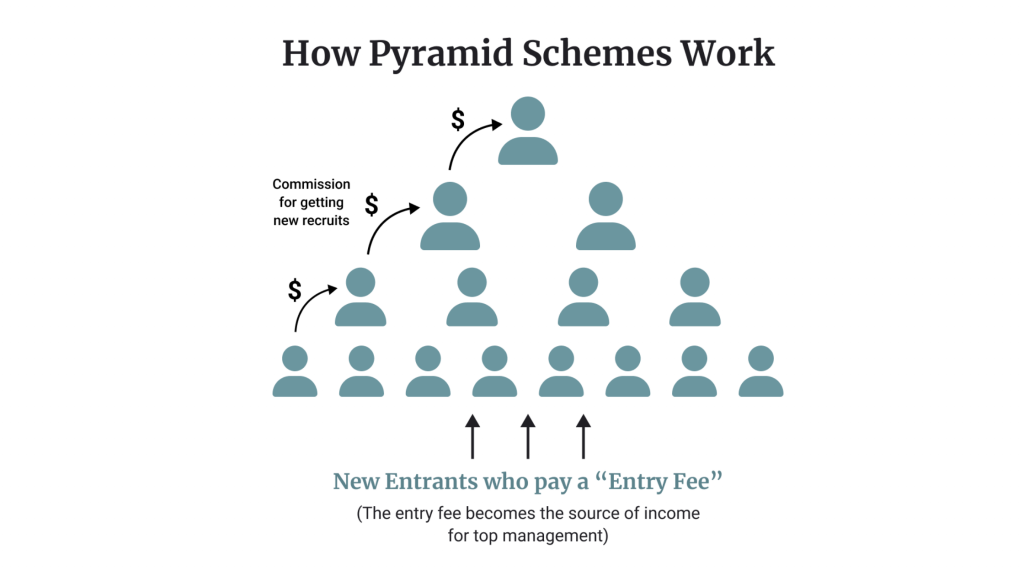
The company operates through what they call “starter packages” that cost anywhere from $1,500 to $7,500. But that’s just the beginning. Once you’re inside, the real pressure starts. You’re pushed to recruit others into the same program. The more people you sign up, the bigger your commission.
Participants report being “coerced” into purchasing expensive upgrades. One person described paying $48,000 total after being repeatedly upsold on “Inner Circle” programs.
This recruitment-heavy model is exactly what makes people ask: Is this a Limelight Media pyramid scheme?
The Red Flags That Scream Pyramid Scheme
Let’s be honest about what we’re seeing here. The warning signs are everywhere.
First, the income structure. Real businesses make money by selling products or services to actual customers. But according to former participants, most of Limelight Media’s revenue comes from new recruits buying expensive training packages—not from selling marketing services to outside businesses.
Second, the pressure tactics. Multiple BBB complaints describe high-pressure sales calls where people are pushed to max out credit cards or take out loans to afford the programs. One complaint mentions a 21-year-old being coached to lie on a credit card application to get approved for a $10,000 purchase.
Third, the refund nightmare. Person after person reports being denied refunds, even when requesting them within days of purchase. The company apparently has a three-day refund policy, which is suspiciously short for programs costing tens of thousands of dollars.
These aren’t just isolated incidents. They’re patterns that match classic pyramid scheme warning signs that consumer protection agencies warn about.
Mike Barron’s Luxury Lifestyle: Built on Student Losses?
Here’s what really bothers me about this whole situation. Mike Barron flaunts an incredibly expensive lifestyle on social media. We’re talking multiple Lamborghinis, luxury vacations, designer everything.
But where does that money actually come from?
According to one review site, “Mike didn’t fill his garage with two Huracan Evos, a Huracan STO, and now a lipstick-red Urus by taking sales calls. Those were all paid for by selling you the dream.”
Think about it. If the business model actually worked for students, wouldn’t we see more success stories? Instead, we see complaint after complaint from people who lost their life savings.
One former employee who worked at Limelight Media reported on ScamPulse that they watched “Mike and his real Inner Circle sat in the back offices and laughed at making people pay up to 50k for a stolen product.” They called it “a game for them” while people lost their retirement money.
That’s not the behavior of someone running a legitimate business opportunity.
Real Stories from Real Victims
The human cost of this limelight media pyramid scheme is devastating. Let me share some actual experiences from people who got caught up in this system.
Sarah from Texas lost $1,500 on starter kits she couldn’t sell. She felt pressured to recruit friends and family, which damaged her relationships.
Another person reported on Reddit: “I paid $2,000 for one of Mike’s programs that promised I was gonna make all this money online, but I never made a dime. Then I invested another $10,000 for his Inner Circle… I felt like I got scammed outta $12 Gs.”
A woman named Cynthia shared her story on multiple platforms. She joined in August 2021, eventually paying $48,000 total for various programs. She’s now homeless, living in her van, and still fighting to get her retirement money back.
These aren’t just numbers on a spreadsheet. These are real people whose lives were turned upside down by what appears to be a sophisticated scam operation.
How Social Media Fuels the Deception
Limelight Media’s recruitment strategy is brilliant—and predatory. They use Instagram and LinkedIn to target young professionals with ads showing luxury lifestyles and promises of easy money.
The posts are carefully crafted to hit emotional triggers. “Be your own boss.” “Financial freedom.” “Escape the 9-to-5 grind.” They know exactly what struggling people want to hear.
But here’s the thing about those success stories they showcase. According to industry statistics, 99% of MLM participants lose money. The few people making real money are usually the ones at the top of the pyramid—not the everyday folks being recruited.
Social media makes it easy to create an illusion of success. Anyone can rent a Lamborghini for a day and post photos. Anyone can claim they’re making six figures without showing proof.
The Psychology Behind Why People Fall for It
Why do smart people get sucked into schemes like this? It’s not because they’re stupid or gullible.
The psychology of online fraud shows that scammers are experts at exploiting our deepest desires and fears. They target individuals struggling financially, stuck in dead-end jobs, or desperate for a way out of their current situation.
Young professionals are especially vulnerable. They see their peers posting about entrepreneurship and success on social media. They want that lifestyle too. When someone offers them a “proven system” to achieve it, they’re willing to take risks they normally wouldn’t consider.
The limelight media pyramid scheme preys on these emotions. They make you feel like you’re part of an exclusive group. They use urgency tactics (“This offer expires tonight!”). They show you testimonials from people who look just like you.
It’s manipulation, plain and simple.
Legal Troubles on the Horizon?
While Limelight Media hasn’t faced major legal action yet, the writing might be on the wall. The FTC has been cracking down on MLM companies that operate like pyramid schemes.
In 2020, Herbalife paid $200 million to settle pyramid scheme allegations. Other companies like Vemma and WakeUpNow have been shut down entirely.
The pattern is always the same: companies that focus more on recruitment than actual product sales eventually face regulatory scrutiny. Given the mounting complaints against Limelight Media, they could be next.
Consumer protection agencies are paying attention. The BBB has received numerous complaints about refund issues and misleading business practices. State attorneys general’s offices track these kinds of patterns.
How to Protect Yourself from Similar Scams
If you’re considering any “business opportunity” that sounds too good to be true, here’s how to protect yourself:
First, research extensively. Check the Better Business Bureau for complaints. Look up the company on Reddit and other forums where people share honest experiences. Use Social Catfish to verify if the people in testimonials are real.
Second, be skeptical of income claims. Ask for audited financial statements showing average participant earnings. If they can’t provide them, that’s a red flag.
Third, understand the business model. How exactly does the company make money? If it’s primarily through recruitment fees rather than selling products to outside customers, you’re looking at a potential pyramid scheme.
Fourth, never invest money you can’t afford to lose. Avoid maxing out credit cards or taking out loans to join any business opportunity. Legitimate businesses don’t require massive upfront investments.
Legitimate Alternatives That Actually Work
Instead of risking your money on questionable schemes, consider proven alternatives:
Freelancing platforms like Upwork and Fiverr let you sell real skills to real clients. You can start with no upfront investment and build a legitimate business over time.
Affiliate marketing with established companies like Amazon doesn’t require recruiting friends or family. You promote products you actually believe in and earn commissions on sales.
Starting a blog or YouTube channel takes time, but can generate real passive income through advertising and sponsorships.
These approaches require work and patience. But they don’t involve the risks and ethical concerns of pyramid-style recruitment schemes.
What to Do If You’re Already Involved
If you’ve already joined Limelight Media and are having second thoughts, here’s what you can do:
First, stop recruiting others immediately. Don’t drag friends and family into something you’re not sure about.
Second, request a refund through official channels. Document everything in writing.
Third, if they deny your refund request, contact your credit card company about a chargeback. Many people have successfully recovered money this way.
Fourth, file complaints with the FTC and your state attorney general’s office. Your report could help protect others and potentially trigger an investigation.
Finally, connect with other people who’ve had similar experiences. Support groups exist online where you can share your story and get advice.
The Bottom Line: Trust Your Gut
Look, I get it. The promise of easy money is tempting, especially when you’re struggling financially. But the allegations of a limelight media pyramid scheme aren’t coming from nowhere.
When you see pattern after pattern of people losing money, being denied refunds, and feeling manipulated, that tells you everything you need to know.
Real business opportunities don’t require you to recruit friends and family. They don’t pressure you to max out credit cards. They don’t make you feel bad for asking questions about their business model.
Your financial future is too important to gamble on schemes that primarily benefit the people at the top. There are legitimate ways to build wealth and achieve financial freedom. They just require more patience and less risk than what companies like Limelight Media are promising.
Before you hand over your hard-earned money to anyone, do your research. Ask tough questions. And remember—if something sounds too good to be true, it probably is.











