
 Multiple Faces Detected


 January 13th, 2026
About Social Security Fraud
Social security fraud is no laughing matter. If someone steals and uses your information fraudulently, it can destroy more than your credit. It can impact your entire life – from your reputation to employment, and even your ability to rent or buy a property.
While the Social Security Administration (SSA) has set up a website to report any suspected fraud, abuse, or waste, this doesn’t solve the immediate problems that social security fraud and identity fraud can cause. Additionally, people may conceal information on their social security forms, not realizing they are committing a serious crime, which is punishable by law.
Learn what social security fraud entails, who is at risk, and how to protect yourself.
What is Social Security Fraud?

According to the Office of the Inspector General, social security fraud, abuse, and waste include the following situations, which include but are not limited to:
Making false statements on a claim – concealing events and facts which affect social security eligibility. A representative payee is misusing benefits.
Buying or selling (counterfeit or real) social security cards. Terrorism related to social security misuse. Crimes or bribery involving SSA employees. Fraud or misuse of grants or conduct violations and worker’s compensation fraud.
How to Avoid Social Security Fraud
Be Accurate
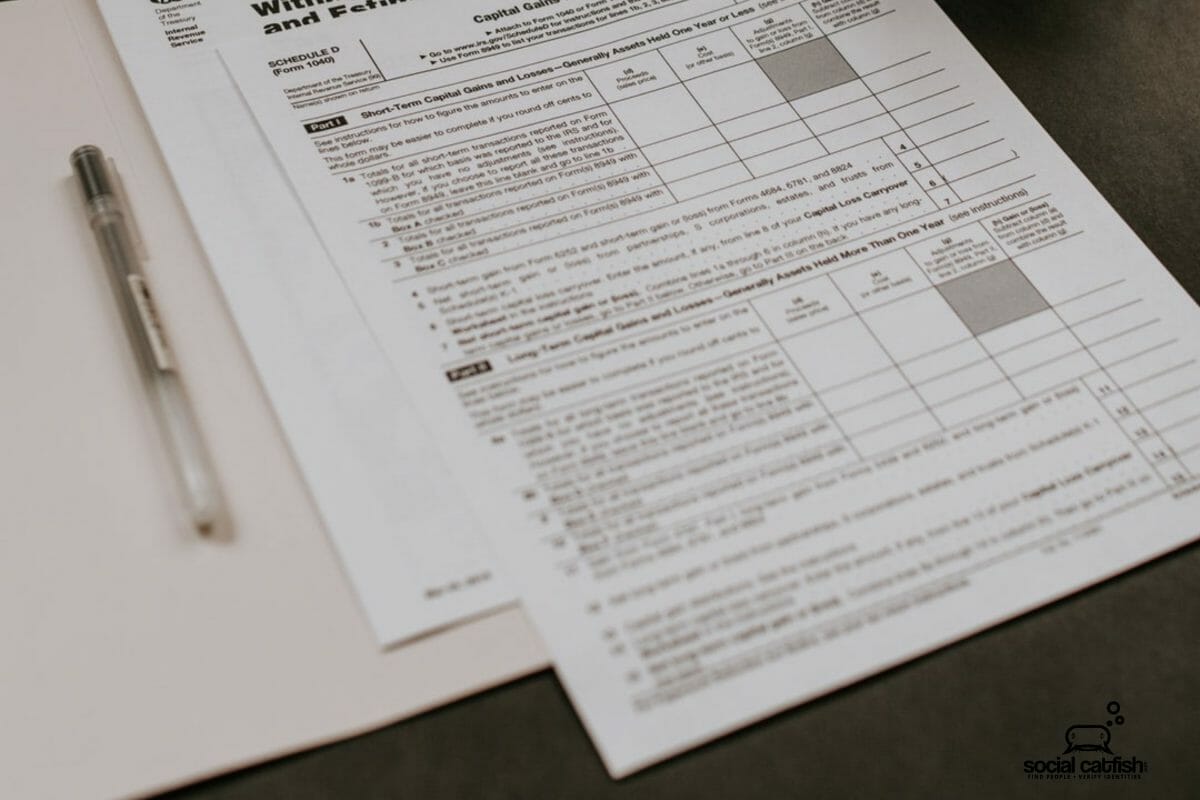
If you do take advantage of any social security benefits or intend to in the future, be completely honest and do not inflate or deflate information on your SSA forms.
Check Your Web Trail
Do you believe your information is being misused online? If you think it might be or want to avoid future problems, view Social Catfish. There, you can search your private details across the internet, as Social Catfish analyzes multiple search platforms and public records.
Find where your phone number and other personal information might be hiding, as the algorithm-based search scours the internet. Once you discover your web trail, you can remove those details from public view. This can also help you be aware of the crimes done in your name.
Alerts
Forms from the Social Security Administration can be a good clue of any suspicious activity. If you receive any change of address information by mail, follow up on why they were sent to you if you did not initiate the change. Also, set up credit alerts on your accounts (bank and credit card), which can be texted or emailed to you upon purchase or use.
Secure Your Information
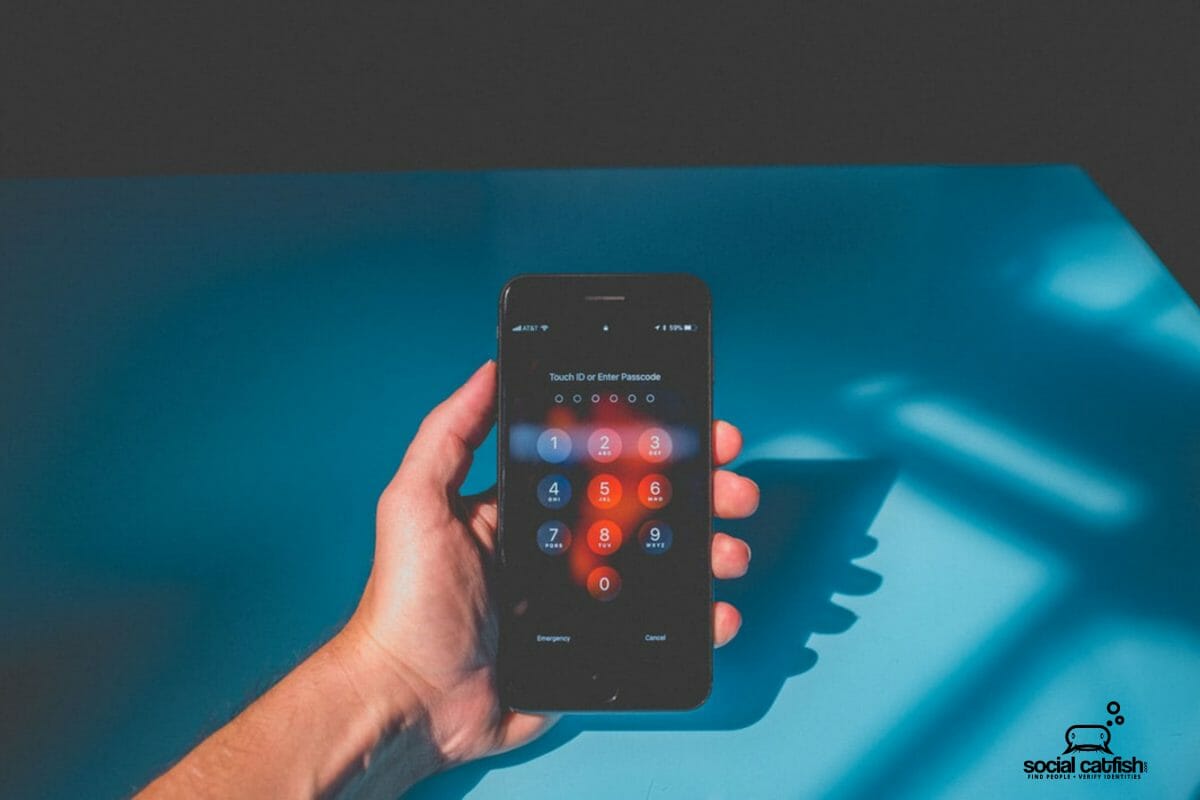
Criminals gain access to a significant amount of information quite merely, using it not being secure. Any documents which contain your social security number should be kept secure and in a safe deposit box at the bank or an equally private home location.
It would be best if you took advantage of a paper shredder for sensitive documents that you want to throw out or get rid of. Whenever possible, please keep all your social security information in your possession and keep it safe.
Beware of Unsolicited Communication
If you receive emails or texts (even phone calls!) from the SSA that you aren’t expecting, proceed with caution. In the case of social security scams, you’ll typically be asked to enter or provide information such as credit, bank, or other personal information, including SSN.
In reality, this could be a scammer trying to get sensitive data from you. If someone contacts you, regardless of the format (call, email, text), write down their information and call back the direct SSA to verify an SSA official legitimately contacted you.
Take Action
Always report suspicious information or activity to the SSA and the Federal Trade Commission, singularly if you ave been contacted or believe someone has gained access to your funds fraudulently.
Are y wondering where to start? Search for a high powered, algorithm search such as Social Catfish: