
 Multiple Faces Detected


 October 20th, 2025
Your phone rings. The caller ID says “Social Security Administration.” They tell you there’s a problem with your account. Your benefits are suspended. You need to act now.
Stop. Hang up. It’s a scam.
Every day, thousands of Americans get calls, texts, and emails from criminals pretending to be from Social Security. They’re after your money. They’re after your identity. And they’re getting better at it.
The Social Security Administration Office of the Inspector General warns that government imposter scams cost Americans over $577 million in 2024 alone. That’s more than half a billion dollars stolen through lies and fear tactics. The worst part? Many victims never see that money again.
But here’s the thing. These scams follow patterns. Once you know what to look for, they’re easier to spot. And when you know how to protect yourself, you can shut them down before they cause damage.
What Is a Social Security Hack?
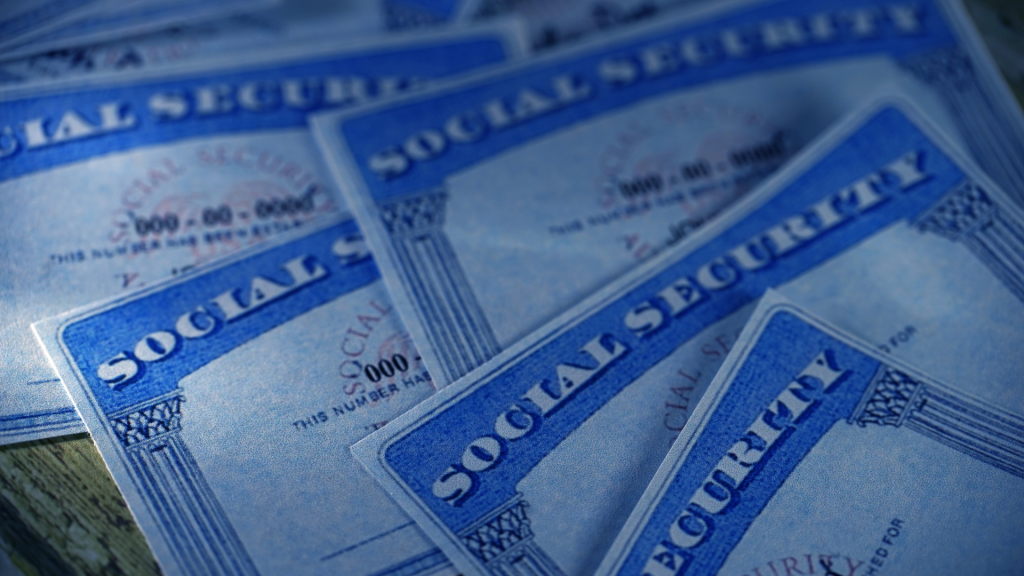
A social security hack happens when criminals get access to your Social Security number and use it to steal your identity or benefits. Sometimes they breach databases. Other times, they trick you into handing over your information directly.
Recent data breaches have exposed millions of Social Security numbers. In one massive breach at National Public Data, hackers allegedly stole 2.9 billion identity records, including names, addresses, and Social Security numbers. The stolen data ended up for sale on the dark web.
When your Social Security number gets compromised, scammers can file fake tax returns, open credit cards in your name, claim unemployment benefits, or even steal your Social Security payments before they reach you.
How Scammers Target Your Benefits
Criminals use fear and urgency to catch you off guard. They’ve perfected their tactics over years of stealing from people just like you.
The Fake Call Scam
Your phone rings. The caller says they’re from Social Security. They might even have a phone number that looks official thanks to caller ID spoofing. They tell you your benefits are suspended. Your Social Security number has been compromised. There’s suspicious activity on your account.
None of it is true.
Real Social Security employees do call people sometimes. But they’ll never threaten you. They won’t demand immediate payment. And they definitely won’t ask you to pay with gift cards, wire transfers, or cryptocurrency.
If you get a suspicious call about your phone number or benefits, check out our guide on how to tell if a phone number is real.
The Email and Text Trap
Scammers send official-looking emails with subject lines like “Claim Your Benefits” or “Important: Your SSA Account Needs Verification.” The SSA warns these emails often include links disguised to look like ssa.gov or socialsecurity.gov. Click the link and you’re redirected to a fake website designed to steal your information.
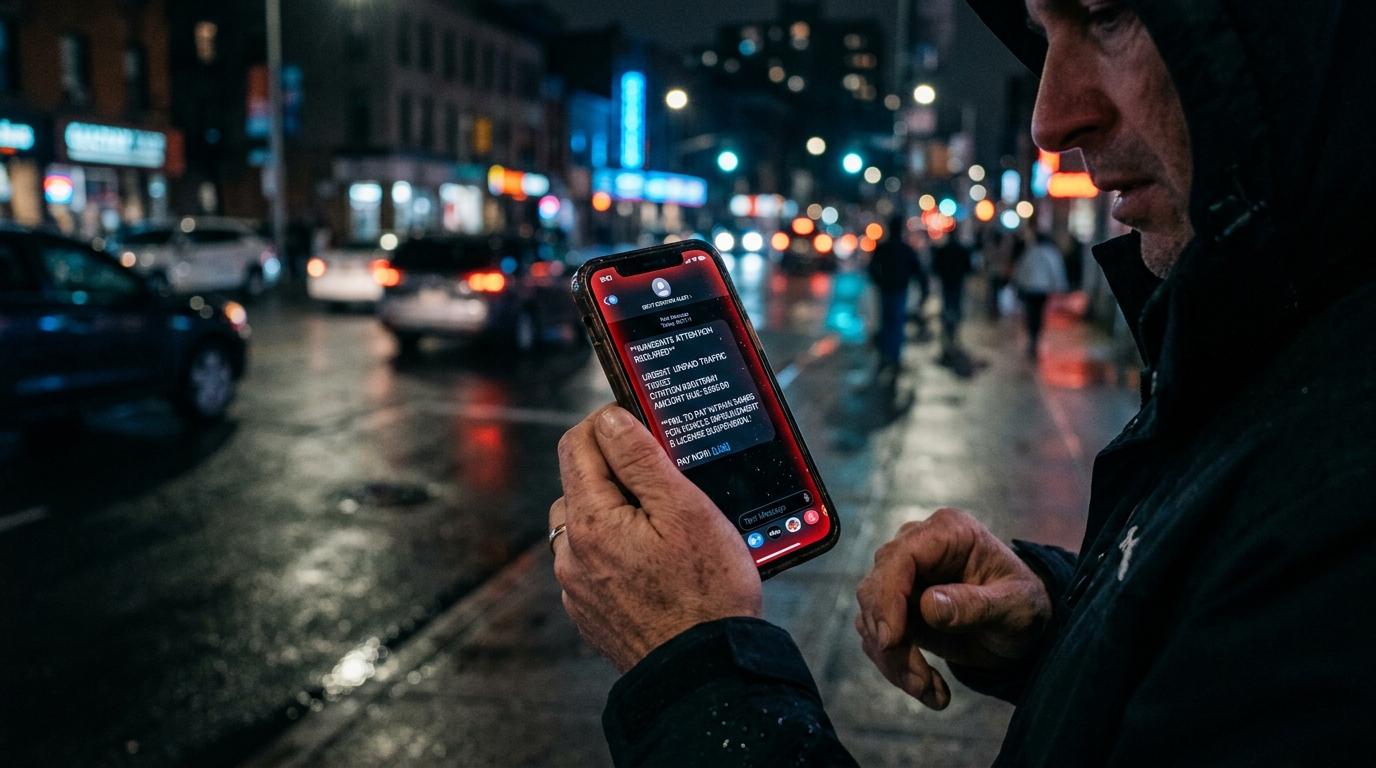
The same goes for text messages. Delete them. Don’t click anything.
The Supreme Court Letter Scam
This one’s bold. Scammers send fake letters on counterfeit U.S. Supreme Court letterhead. The letters use forged signatures of real Supreme Court justices. They claim you’re under investigation. Your assets are frozen. You need to cooperate immediately.
These letters are personally addressed to victims and reference the Social Security Administration and Drug Enforcement Agency to sound legitimate. It’s all fake.
The Dark Web Account Sale
Here’s where a social security number hack gets really dangerous. Georgia State University professor David Maimon discovered that scammers are selling full access to stolen Social Security accounts on the dark web. Once they have your login credentials, they can change your direct deposit information and reroute your benefit payments to their own accounts.
Warning Signs of a Social Security Hack
The Federal Trade Commission says all scams follow the same basic pattern. Watch for these red flags:
They pretend to be official. Scammers use real employee names, official-looking documents, and government phone numbers to gain your trust.
They create a problem. Your benefits are suspended. Your number is compromised. There’s fraud on your account. The problem doesn’t exist, but it sounds scary enough to make you panic.
They pressure you to act now. Scammers don’t want you to think. They want you to react. That’s why they demand immediate action.
They want specific payment methods. Gift cards. Prepaid debit cards. Wire transfers. Cryptocurrency. Cash in the mail. These payment methods are hard to trace and impossible to reverse.
Real Social Security employees will never do any of this. They won’t threaten arrest and won’t suspend your number. They won’t demand payment to activate a cost-of-living adjustment. And they absolutely won’t ask you to move your money to a “protected” account.
For more on identifying suspicious calls, read our article about scam call numbers and how to identify fraudulent callers.
What to Do If You Suspect a Social Security Hack
Hang up immediately. Don’t engage with the caller. Don’t press any numbers. Just hang up. The same goes for texts and emails. Delete them without clicking anything.
Check your Social Security account. Log in to your My Social Security account at ssa.gov. Look for any changes you didn’t make. Check your benefit payment history. Review your personal information.
Place a fraud alert. Contact one of the three major credit bureaus (Equifax, Experian, or TransUnion) to place a fraud alert on your credit report. They’re required to notify the other two bureaus.
Consider a credit freeze. This prevents anyone from opening new accounts in your name. You’ll need to contact all three credit bureaus separately.
Report the scam. File a report with the Social Security Administration Office of the Inspector General.
Monitor your credit. Get your free credit report from AnnualCreditReport.com. Look for accounts you don’t recognize or suspicious activity.
If you’re dealing with someone who won’t leave you alone, our guide on mitigating no caller ID spam can help you reduce unwanted calls.
How Social Catfish Protects You From Identity Theft
When your Social Security number is compromised, you need answers fast. Who’s using your information? Where did it leak? What accounts have been opened in your name?
Social Catfish gives you the tools to find out.
Our reverse phone lookup helps you identify who’s really calling you. Got a suspicious number? Run it through our database. We’ll show you who it belongs to and whether it’s linked to known scam operations.
Our reverse email and username search tools let you investigate suspicious contacts before they cause damage. If someone’s impersonating a Social Security employee, we can help you verify their identity or expose the fraud.
And if you’re worried about your personal information floating around online, our search tools can show you what’s out there. Knowledge is power when it comes to protecting yourself from a social security number hack.
Protecting Your Social Security Number
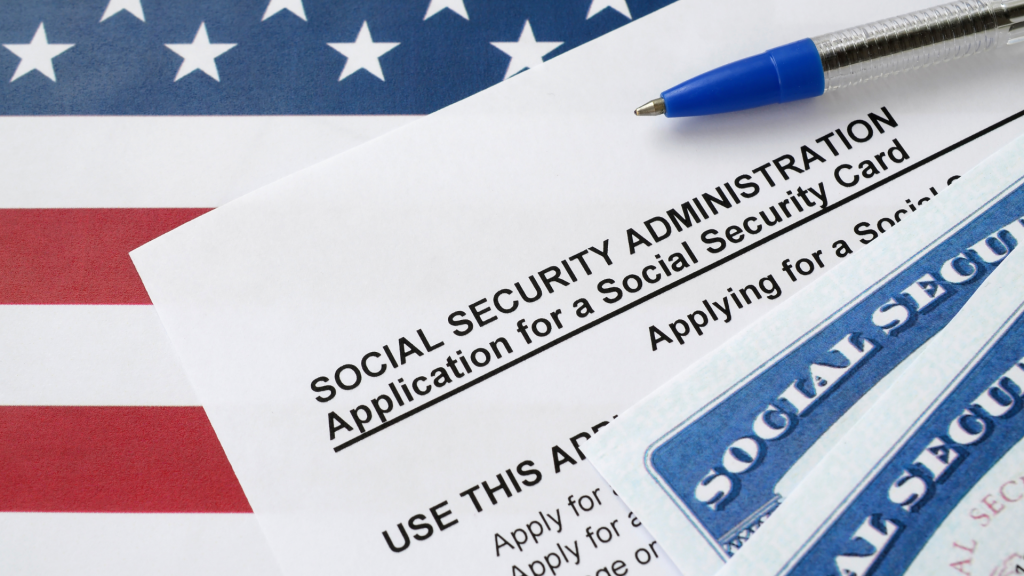
Never carry your Social Security card. Keep it at home in a safe place. You rarely need the physical card.
Don’t give out your number unless necessary. Ask why it’s needed and how it will be used. Sometimes you can provide an alternative form of identification.
Shred documents with your SSN. Don’t just throw them in the trash. Identity thieves dig through garbage looking for personal information.
Use strong, unique passwords. Don’t reuse passwords across multiple accounts. If one account gets hacked, criminals can access everything.
Enable two-factor authentication. This adds an extra layer of security to your online accounts. Even if someone has your password, they can’t get in without the second verification step.
Watch out for phishing. Be suspicious of unsolicited emails, texts, and calls asking for personal information. When in doubt, contact the organization directly using a phone number or website you know is legitimate.
For more tips on protecting yourself online, check out our article on 12 signs you might be getting catfished online.
Common Scenarios for Social Security Scams
Understanding when scammers strike helps you stay alert. They often target people during major life events or times of financial stress.
Tax season. Scammers file fake tax returns using stolen Social Security numbers to claim refunds. File your taxes early to beat them to it.
Benefit increases. When Social Security announces cost-of-living adjustments, scammers send fake forms claiming you need to verify your information to receive the increase. You don’t. The increase happens automatically.
Medicare enrollment. Turning 65? Scammers know it. They’ll call pretending to help you enroll in Medicare while actually stealing your information.
After data breaches. When news breaks about a major data breach, scammers jump on it. They send fake “security alerts” trying to trick you into confirming your information.
Learn more about common scenarios for no caller ID calls to understand when scammers are most likely to strike.
What Happens After a Social Security Number Hack
The damage from a compromised Social Security number can last for years. Criminals can open credit cards, take out loans, file fraudulent tax returns, and claim benefits in your name.
According to finance expert Michael Ryan, the average victim loses $9,000. But the financial loss is just the beginning. Once scammers have your SSN and personal details, they can file fake tax returns, open credit accounts, and even claim your benefits before you do.
Recovering from identity theft takes time. You’ll need to file police reports, dispute fraudulent charges, and work with credit bureaus to clean up your credit report. Some victims spend months or even years fixing the damage.
That’s why prevention matters so much. It’s easier to stop a scam than to recover from one.
Taking Action Today
Social security hack attempts aren’t going away. Scammers are getting smarter. They’re using artificial intelligence to make their calls sound more convincing. They’re creating more realistic fake websites and finding new ways to steal your information.
But you’re not helpless.
Stay skeptical. Question unexpected calls and emails. Verify before you trust. And never let anyone pressure you into making quick decisions about your Social Security benefits or personal information.
When something feels off, it probably is. Trust that instinct. Hang up. Delete the email. Walk away.
Your Social Security number is one of the most valuable pieces of information you have. Protect it like you’d protect your life savings. Because in many ways, that’s exactly what it is.
If you need help investigating a suspicious contact or verifying someone’s identity, Social Catfish is here. Our tools give you the information you need to make smart decisions and protect yourself from scams. Don’t wait until you’re a victim. Take control of your information today.
For more resources on protecting yourself online, explore our guides on finding hidden profiles on social networks and dating app scams.