
 Multiple Faces Detected


 June 17th, 2025
Remote work, mobile banking, and online healthcare are now part of daily life. We use messaging apps to share sensitive information without a second thought, but that makes them a prime target for cybercriminals.
Smishing attacks, phishing links, and AI-generated scams are growing fast. Messaging is no longer safe by default, and most platforms don’t offer true end-to-end protection.
This blog explains why secure messaging is essential in 2025, what it means, who needs it, and how to protect your data before it’s compromised.
What Is Secure Messaging?
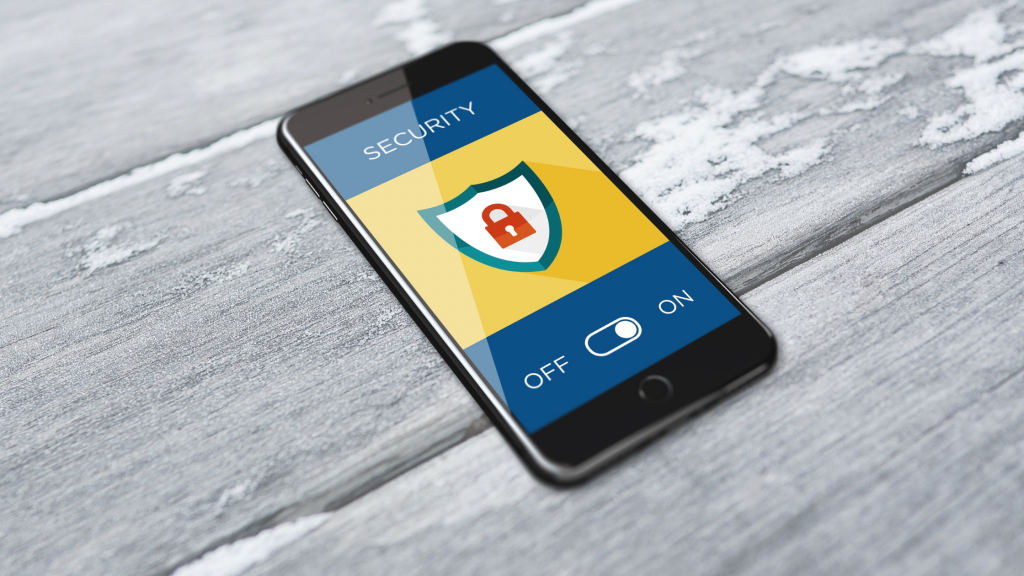
Secure messaging refers to the exchange of messages through platforms that safeguard confidentiality, authenticity, and integrity. This means your messages are fully encrypted, verified as coming from the right person, and cannot be read or tampered with by anyone else, including the service provider.
It’s important to know that not all “private” messages are secure. Standard SMS texts, unencrypted emails, and even some popular messaging apps can leave your conversations vulnerable to third-party interception.
How Does Secure Messaging Work?
Secure messaging utilizes advanced encryption methods to keep your conversations private and tamper-proof. It protects messages both in transit (as they travel across the internet) and at rest (when stored on your phone or device).
No one, not hackers, companies, or even the app provider, should be able to access your messages without permission.
Here are some core technologies behind secure messaging:
End-to-End Encryption (E2EE)
Messages are encrypted on your device and remain encrypted until they reach the recipient’s device. Only you and the recipient have the decryption keys. This means no third party, not the app, your phone carrier, or any outside entity, can read what’s inside.
Transport Layer Security (TLS)
While E2EE keeps your message content private, TLS protects it as it moves across the internet. It prevents anyone from intercepting your message during transmission, especially important when syncing across devices or using public networks.
Encryption is central to secure messaging, ensuring only the intended recipient can read the message, similar to how email encryption protects sensitive information.
What Happens When You Send a Secure Message (Step-by-Step)
Every secure message goes through a multi-layered process to protect your data from interception, tampering, or unauthorized access. Here’s how that works behind the scenes:
- You type a message in a secure messaging app, such as Signal or Element.
- The app encrypts it using strong algorithms (like AES-256 or RSA).
- The message is transmitted over a protected connection using TLS.
- The recipient’s device verifies that the message hasn’t been altered and confirms the sender’s identity.
- The device decrypts the message using its unique private key.
- Optional protections, such as biometrics or passcodes, may be required before the message can be opened.
Secure messaging platforms may also include additional features, such as self-destructing messages, hidden chat threads, and biometric locks, all designed to keep your data safe even if someone gains access to your device.
Why Secure Messaging Is Critical in 2025
The threat landscape has changed. What used to be simple email phishing has now evolved into hyper-personalized, AI-driven attacks, many of which start with a message that looks ordinary. Here’s why secure messaging is now essential, not optional.
Rise in Sophisticated Threats
Cyberattacks have gone beyond generic spam. In 2024 alone, Business Email Compromise (BEC) cost U.S. companies $2.7 billion, according to the FBI’s IC3 Report.
But this isn’t limited to email; attackers now use messaging apps to impersonate executives, pressure employees, and trick users into wiring funds or sharing access credentials.
Deepfakes and social engineering tactics are also being deployed directly within chat interfaces, making them harder to detect and increasing the likelihood of falling for them.
Widespread Use of AI in Hacking
Generative AI has changed the game. Hackers can now:
- Mimic human typing styles to avoid suspicion
- Craft convincing, personalized phishing messages at scale
- Deploy malicious bots in messaging groups to silently gather data
These AI-driven attacks often happen in real time, making it harder for victims to spot red flags before it’s too late.
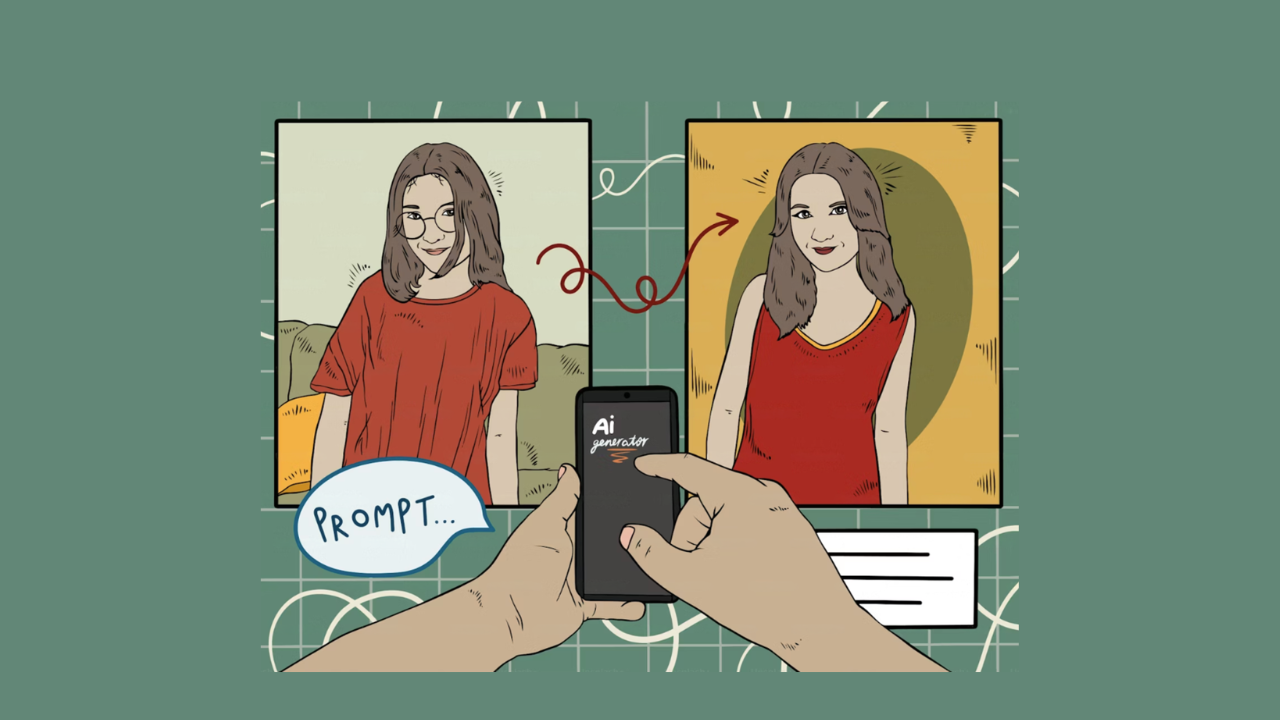
Think the profile photo you’re chatting with looks suspicious? A quick reverse image lookup can reveal where else that picture appears online, and whether it’s part of a larger scam.
Shift to Remote and Hybrid Work
Messaging has become the backbone of workplace communication. From daily check-ins to sharing sensitive contracts, companies rely on platforms like Slack, Teams, and WhatsApp to keep operations moving.
But the convenience comes with risk: one scam text message thread containing passwords, financial data, or client information can expose the entire organization to breaches, fines, or lawsuits.
Messaging Is the New “Attack Surface”
According to Proofpoint’s 2024 report, a growing number of cyberattacks now originate from messaging apps rather than email. Why? Because people let their guard down. Messaging feels personal. Fast. Casual. And that’s exactly what attackers exploit.
Users are more likely to click a link, download a file, or trust a fake identity inside a chat than in a formal email.
What Can Go Wrong Without Secure Messaging
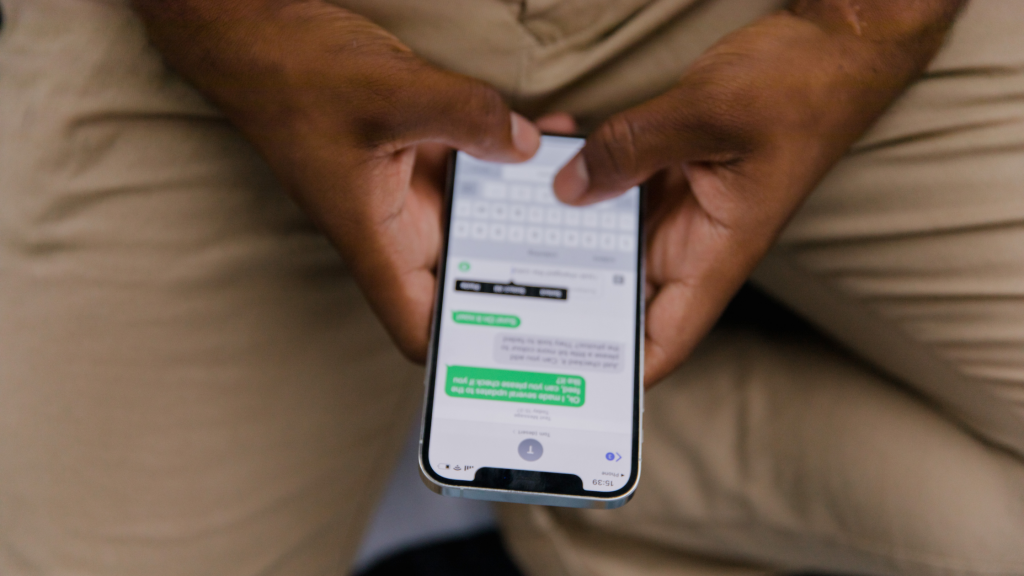
When you send messages through apps that don’t use strong encryption or identity protection, you’re leaving the door wide open for hackers, scammers, and even the service provider to read or manipulate your content. Here’s what that can lead to:
Data Interception
Without end-to-end encryption, your messages can be intercepted while in transit. Hackers can access sensitive information, such as bank details, passwords, medical records, or confidential business plans, by simply exploiting unsecured networks or weak app security.
Identity Theft and Impersonation
If your messages aren’t protected, neither is your identity. Attackers can hijack conversations, impersonate you, or use your information to trick others, often without immediate signs of a breach.
It’s one of the fastest ways your personal data can end up exposed, especially if you’re not following online privacy best practices to prevent data breaches.
Legal and Compliance Risks
Businesses and professionals who handle client, patient, or customer data have a legal obligation to protect it. Messaging platforms that don’t meet privacy standards (like HIPAA, GDPR, or FINRA) can expose you to lawsuits, regulatory fines, or loss of licenses.
Loss of Trust
Even one leaked message can damage credibility, whether it involves a private client discussion, internal company strategy, or personal conversation. Once trust is gone, it’s hard to recover.
Long-Term Exploitation
Messages that seem harmless now can still pose risks later. Unencrypted backups or synced data stored on poorly secured phones can be accessed long after the original message is sent. That’s why strong mobile device security is just as important as secure messaging itself.
Without proper safeguards, messaging apps can expose more than just your words. Metadata, such as location, device type, and contact patterns, can also be collected or leaked, raising serious concerns about online privacy and data protection.
Final Word
Under the surface of every scam is someone pretending to be something they’re not. In 2025, that deception often begins with a message, crafted to look familiar, feel urgent, and earn your trust just long enough to cause harm.
When something doesn’t feel right, trust your instincts, and turn to someone who can help you get real answers. The Search Specialist Service from Social Catfish connects you with real investigators who dig into online identities, trace digital footprints, and help confirm whether the person you’re talking to is who they say they are.