
 Multiple Faces Detected


 June 21st, 2023
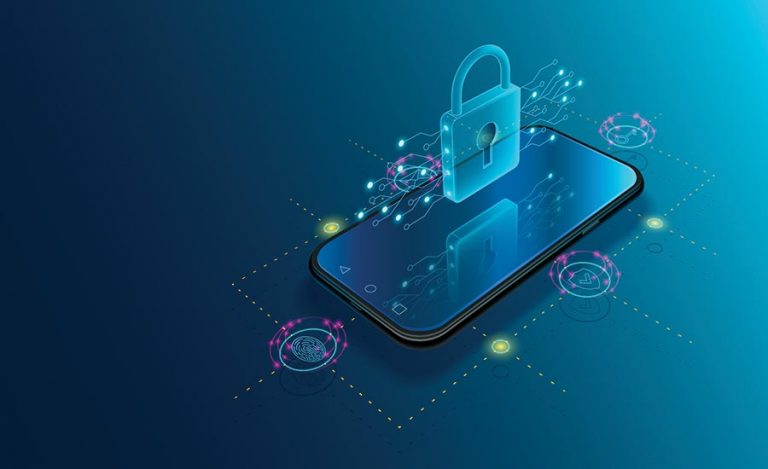
In an increasingly digital world where mobile devices have become an integral part of our lives, ensuring the security of these devices is of utmost importance. From smartphones to tablets, our mobile devices store a treasure trove of personal and sensitive information. However, they also pose significant risks, making it crucial to address mobile device security proactively. In this blog post, we will delve into the realm of mobile device security, exploring the potential threats that exist and providing valuable insights and practical tips to safeguard your devices and data. Whether you use your mobile device for communication, banking, or accessing sensitive information, understanding and implementing effective security measures is paramount to protect your privacy and maintain the integrity of your digital life. So, let’s dive in and discover how to fortify the security of your mobile devices in an ever-evolving landscape of threats.
Mobile Device Security Risks: Understanding the Threat Landscape
In today’s interconnected world, mobile devices have become prime targets for cybercriminals and pose significant security risks. Understanding the threat landscape is crucial to protect your mobile devices and the sensitive information they hold.
Malicious software, including viruses, worms, and Trojans, can infect your mobile device and compromise its security. These threats can be disguised as legitimate apps or distributed through malicious links, emails, or text messages. Once infected, malware can steal personal data, track your activities, or even gain unauthorized access to your device.
Phishing is a common tactic used by cybercriminals to trick users into revealing their sensitive information, such as passwords, credit card details, or login credentials. Phishing attacks on mobile devices often involve fraudulent emails, text messages, or malicious websites designed to mimic legitimate ones. Falling victim to a phishing attack can lead to identity theft, financial loss, or unauthorized access to your accounts.
Connecting to unsecured Wi-Fi networks, especially in public places like coffee shops or airports, exposes your mobile device to security risks. Hackers can intercept your data, including login credentials or financial information, by exploiting vulnerabilities in the network or using specialized tools.
Third-party app stores or malicious apps pose significant risks to mobile device security. Some apps may contain malware, while others may request excessive permissions that grant access to sensitive data. It is essential to download apps only from trusted sources, read reviews, and carefully review app permissions before installation.
Mobile devices are prone to physical loss or theft, which can result in unauthorized access to your data. Without proper security measures in place, such as strong device passwords or biometric authentication, a lost or stolen device can lead to sensitive information falling into the wrong hands.
Failing to keep your mobile device’s software up to date leaves it vulnerable to known security vulnerabilities. Software updates and patches often include security enhancements and bug fixes that address potential exploits. Neglecting these updates increases the risk of falling victim to security breaches.
Understanding these mobile device security risks is the first step in protecting yourself. In the upcoming sections, we will explore essential security measures to mitigate these risks and safeguard your mobile devices and personal information.
Essential Security Measures for Mobile Devices: Best Practices to Follow
To ensure the security of your mobile devices and protect your sensitive data, it’s essential to follow best practices and implement effective security measures.
Set strong and unique passwords for your mobile devices, including a combination of letters, numbers, and symbols. Additionally, take advantage of biometric authentication methods such as fingerprint or facial recognition to add an extra layer of security.
Enable automatic device lock after a period of inactivity. This feature ensures that your device requires authentication (password, PIN, or biometrics) before accessing any data, reducing the risk of unauthorized access in case your device is lost or stolen.
Install a reputable mobile security app that offers features like malware detection and removal, real-time scanning, and anti-theft protection. These apps can help identify and eliminate potential threats, safeguarding your device and personal information.
When installing apps, carefully review the permissions they request. Grant permissions only to apps that genuinely require access to specific features or data. Avoid granting unnecessary permissions that could compromise your privacy.
When connecting to Wi-Fi networks, especially public ones, ensure they are secure and encrypted. Avoid accessing sensitive information or conducting financial transactions on unsecured or unknown networks. Consider using a virtual private network (VPN) for an added layer of encryption and privacy.
Keep your mobile device’s operating system, apps, and security software up to date. Updates often include bug fixes, security patches, and enhancements that address known vulnerabilities. Regularly check for updates and install them promptly to stay protected against emerging threats.
Securing Your Data: Encryption, Backup, and Remote Wiping
Encryption
Enable encryption on your mobile device to ensure that your data is protected even if the device falls into the wrong hands. Encryption converts your data into unreadable code, making it inaccessible without the appropriate decryption key. Most modern mobile operating systems offer built-in encryption features that you can enable in the device settings. By encrypting your device, you add an extra layer of security to your data, safeguarding it from unauthorized access.
Regular Data Backup
Regularly backing up your mobile device’s data is crucial in case of loss, theft, or device malfunction. Backup your data to a secure location, such as cloud storage or an external hard drive. This ensures that even if your device is compromised, you can restore your important files, photos, contacts, and other data onto a new device. Take advantage of automatic backup options provided by your device’s operating system or use reputable backup apps for added convenience and peace of mind.
Remote Wiping
In the unfortunate event that your mobile device is lost or stolen, the ability to remotely wipe your data can prevent unauthorized access to your personal information. Remote wiping allows you to erase all the data on your device remotely, rendering it unusable to anyone who may have obtained it. Most mobile operating systems provide remote wiping capabilities that can be activated through specific settings or device management tools. By enabling remote wiping, you can protect your sensitive data and maintain control over your information, even if your device is no longer in your possession.
Staying Up-to-Date: The Importance of Software Updates and Patches
Staying up-to-date with software updates and patches is crucial for maintaining the security of your mobile devices. Here are some key points to consider:
- Install Operating System Updates: Regularly update your mobile device’s operating system to ensure that you have the latest security patches and bug fixes. Operating system updates often address known vulnerabilities that could be exploited by malicious actors. Set your device to automatically install updates or manually check for updates periodically to stay protected.
- Update Apps: Keep your apps up to date by installing the latest versions available. App updates often include security enhancements and bug fixes that improve the overall security and stability of the application. Configure your device to automatically update apps or manually check for updates in the app store.
- Enable Automatic Updates: To ensure you don’t miss critical updates, enable automatic updates for both your operating system and apps. This way, you’ll receive the latest security patches and bug fixes as soon as they become available, without having to manually initiate the update process.
- Pay Attention to Security Notifications: Be attentive to security notifications from your device’s operating system or security apps. These notifications may alert you to potential security risks or recommend actions to take, such as updating software or changing settings. Stay informed and take prompt action in response to security notifications to maintain the security of your mobile device.
- Consider App Permissions: When updating apps, review the permissions they request and ensure they align with the functionality of the app. Be cautious of apps that require excessive permissions that seem unrelated to their purpose, as they could potentially access and misuse your data. If you have concerns about an app’s permissions, consider seeking alternative apps or contacting the app developer for clarification.
- Stay Informed: Keep yourself informed about the latest security practices and vulnerabilities affecting mobile devices. Stay connected with reputable technology news sources, follow security blogs, and consider subscribing to security newsletters or alerts. This knowledge will help you understand emerging threats, take preventive measures, and make informed decisions regarding software updates and patches.
By prioritizing software updates and patches, you ensure that your mobile device is equipped with the latest security defenses against evolving threats. Regular updates help close known security vulnerabilities and reduce the risk of unauthorized access to your data. Make it a habit to stay up-to-date and maintain a proactive approach to mobile device security.