 Multiple Faces Detected


 September 8th, 2025
The numbers don’t lie. And when it comes to digital fraud, they paint a troubling picture.
Recent scam analytics reveal that consumers lost over $12.5 billion to fraud in 2024—a staggering 25% increase from the previous year, according to the Federal Trade Commission. But here’s what’s really alarming: this jump isn’t because more people are reporting scams. It’s because scammers are getting better at what they do.
The percentage of fraud victims who actually lost money jumped from 27% in 2023 to 38% in 2024. That’s a double-digit increase that should worry everyone.
The Global Scale of Digital Deception

When we look at scam analytics on a global scale, the picture becomes even more disturbing. The Global Anti-Scam Alliance reports that international scammers have stolen over $1.03 trillion in just 12 months. That’s a figure that rivals the GDP of entire nations.
Nearly half of global consumers now experience scam attempts at least once a week. Countries like Brazil, Hong Kong, and South Korea face near-daily scam exposure. Meanwhile, only 4% of victims worldwide ever recover their losses.
Think about that for a moment. Your chances of getting your money back after falling for a scam are worse than your odds of getting struck by lightning.
Investment Scams Lead the Pack
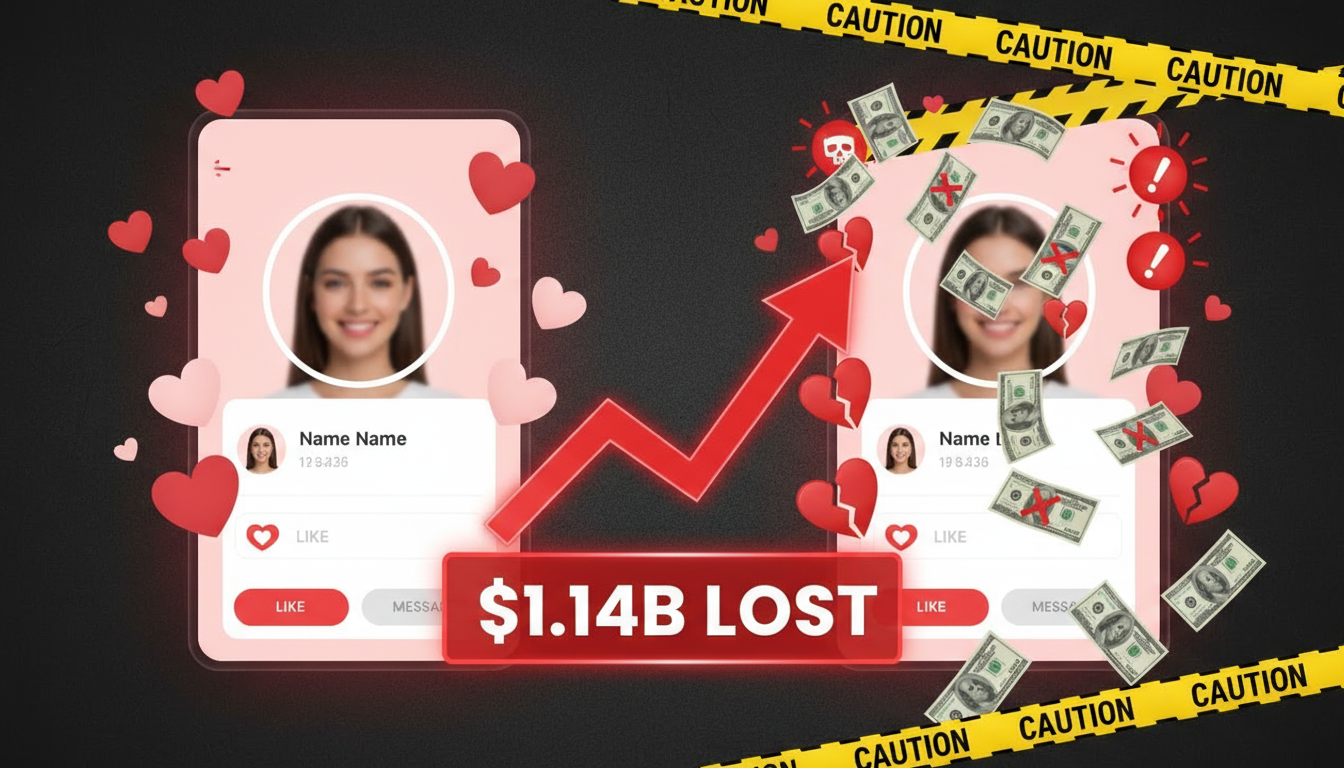
The data shows investment scams caused the most financial damage in 2024. Consumers reported losing $5.7 billion to these schemes—a 24% increase over 2023. Social Catfish’s catfishing statistics show how these scams often start with fake relationships that evolve into investment “opportunities.”
Romance scams remain particularly devastating. While they don’t generate the most reports, they cause the highest median losses per victim at $2,000. The romance scammer statistics reveal how these criminals exploit loneliness and trust to drain bank accounts.
What makes these scams so effective? They’re not random. Scammers use sophisticated scam analytic techniques to target vulnerable individuals. They study social media profiles, identify emotional triggers, and craft personalized approaches that feel genuine.
The Technology Behind Modern Fraud
Artificial intelligence has become a double-edged sword in the fraud world. While F-Secure’s 2024 survey found that 67% of people feel confident they can spot scams, AI is making detection much harder.
Scammers now use AI to generate realistic images, voices, and even video calls. The technology that was supposed to protect us is being weaponized against us. Fake video chat scams are becoming more sophisticated, making it nearly impossible to tell what’s real.
Email remains the top contact method for scammers, accounting for 54% of all scam attempts. But text message scams are growing rapidly, with overall losses hitting $470 million in 2024.
The Psychology of Digital Deception
Scam analytics reveal that loneliness is the number one factor that makes people vulnerable to romance scams. Research shows that isolated individuals are prime targets for criminals who exploit emotional needs.
The emotional impact goes beyond financial losses. Victims report feelings of vulnerability, fear, and loss of trust that can last for years. Countries like Kenya, the Philippines, and South Africa report the highest emotional tolls from scam victimization.
But scammers don’t just target the lonely or elderly. Anyone can become a victim. Business executives, tech-savvy millennials, and even cybersecurity professionals have fallen for sophisticated schemes.
Red Flags in the Data
The scam analytic data reveals several warning patterns:
Government imposter scams jumped by $171 million in 2024, reaching $789 million total. These scams often involve fake IRS agents, Social Security officials, or law enforcement demanding immediate payment.
Business and job opportunity scams saw losses increase by nearly $250 million to $750.6 million. Job scam reports tripled from 2020 to 2024, with losses jumping from $90 million to $501 million.
Cryptocurrency and bank transfer payments now account for more losses than all other payment methods combined. Once money goes through these channels, recovery becomes nearly impossible.
Geographic Patterns Tell a Story
Scam analytics show clear geographic patterns. Americans report the highest average losses at $3,520 per victim. Denmark and Switzerland also rank high for per-victim losses.
But developing countries face a different challenge. In Pakistan, scam losses equal 4.2% of the country’s GDP. Kenya and South Africa report GDP impacts of 3.6% and 3.4% respectively.
These numbers highlight how scams don’t just hurt individuals—they damage entire economies.
The Recovery Reality
Perhaps the most sobering statistic in all the scam analytic data is the recovery rate. Only 4% of scam victims worldwide recover their losses. The U.S. and U.K. have the highest recovery rates, but even these remain dismally low.
This reality makes prevention crucial. Social Catfish offers tools to verify identities and catch scammers before they strike. Their search specialists can help investigate suspicious individuals and protect potential victims.
Protecting Yourself in a Digital World

The data makes one thing clear: traditional advice isn’t enough anymore. Telling people to “be careful online” doesn’t address the sophistication of modern scams.
Here’s what the scam analytics suggest actually works:
Verify before you trust. Use reverse image searches, phone number lookups, and background checks. Social media account searches can reveal if someone is using stolen photos or fake identities.
Understand the risks of sharing personal information online. Data breaches and oversharing give scammers the ammunition they need to craft convincing stories.
Know when and how to report scams. Reporting suspicious activity helps authorities track patterns and potentially stop other victims from losing money.
Stay informed about current scam trends. Scammers constantly evolve their tactics. What worked to protect you last year might not work today.
The Million-Dollar Question
The scam analytic data raises an uncomfortable question: if scammers can steal over a trillion dollars globally with such low recovery rates, what’s stopping them from scaling up even more?
The answer lies in awareness, technology, and collective action. Romance scammer cases show how individual criminals can steal millions from multiple victims. But they also show how investigation and reporting can eventually catch these criminals.
What the Future Holds
Scam analytics point to several troubling trends. AI will make scams more convincing. Cryptocurrency will make money harder to trace. Social media will provide more personal information for scammers to exploit.
But the data also shows hope. Consumer awareness is growing. Detection technology is improving. Law enforcement is getting better at international cooperation.
The key is staying ahead of the curve. Scammers succeed because they adapt faster than their victims. By understanding the data, recognizing the patterns, and taking proactive steps to protect ourselves, we can start to turn the tide.
The numbers don’t lie. But they also don’t have to define our future. With the right knowledge and tools, we can make 2025 the year scam losses finally start to decline.