
 Multiple Faces Detected



 March 17th, 2025
Online extortion is surging, with the U.S. accounting for nearly 51% of global ransomware claims in just 2024.
Hackers lock your files, demand payment, and threaten to leak sensitive data. If you don’t pay, they expose you. If you do, they might come back for more.
Let’s break down how these scams work and what you can do to fight back.
What Is Online Extortion?

Online extortion happens when scammers use threats to pressure someone into giving them money or sensitive information. They rely on fear to get what they want, making victims feel like they have no choice but to comply.
How Scammers Carry Out Online Extortion
Scammers follow a pattern to trick victims into compliance. Here’s how it usually happens:
Scammer Makes Contact
They reach out through email, social media, or phone calls. Many pretend to be law enforcement officers, hackers, or even someone the victim knows.
They Make a Demand
They pressure victims into giving money, private images, passwords, or other sensitive information. Some claim to have hacked the victim’s device and threaten to leak personal files.
Fear Tactics are Used
Scammers use fake evidence, edited images, or impersonation to make their threats seem real. They might send emails claiming to have video proof of private activities or threaten to contact the victim’s family or employer.
Victim Responds
Some victims pay, hoping to stop the threats. Others ignore the scam, but many scammers continue pressuring them with more messages and increased demands.
The Scam Continues
Paying once does not end the scam. Scammers often ask for more, knowing the victim is scared. Those who refuse to comply might face repeated threats, attempts to hack their accounts, or exposure of already stolen data.
Common Extortion Scams
Scammers use different tricks to pressure people into paying. Here are some of the most common scams you need to know about.
- Cartel Scams: Scammers pretend to be dangerous criminals and claim they have kidnapped your loved one. They demand money immediately, using fear to force quick action.
- Ransomware: Scammers lock your files and demand money to unlock them. They send a virus through fake downloads or phishing emails. Even if you pay, there is no guarantee you will get your files back.
- Sextortion: Criminals blackmail victims by threatening to leak personal photos or videos and demanding money to keep the content private. Most scams happen on Instagram and Snapchat, and many of these victims are young.
- Mobile App Cloning: Scammers create fake apps that look real but steal your personal data. These apps trick you into entering passwords or banking details, which criminals then use to access your accounts.
Think someone is trying to scare you into paying? Run a reverse search before sending money or sharing personal details.
Ransomware: When Hackers Hold Your Data Hostage
Ransomware attacks are becoming more common, costing businesses and individuals millions. In 2024, the average cost of a ransomware attack reached $5.21 million per incident.
How Ransomware Works
Hackers trick victims into downloading malicious software. This happens through:
- Emails with fake attachments or links.
- Fake websites that install harmful files.
- Compromised software that carries hidden ransomware.
Once the malware is inside your system, it:
- Encrypts files, making them unreadable.
- Displays a ransom note, demanding money in cryptocurrency.
- Threatens to leak sensitive data if the victim refuses to pay.
If you or someone you know is facing blackmail, taking the right steps quickly is important. Here’s how to get out of blackmail.
Sextortion Scams: The Growing Threat to Young Users
In 2023 alone, NCMEC received 26,718 reports of financial sextortion cases. Another report from C3P found that 83% of victims were male, highlighting how widespread this issue has become.
How Sextortion Works
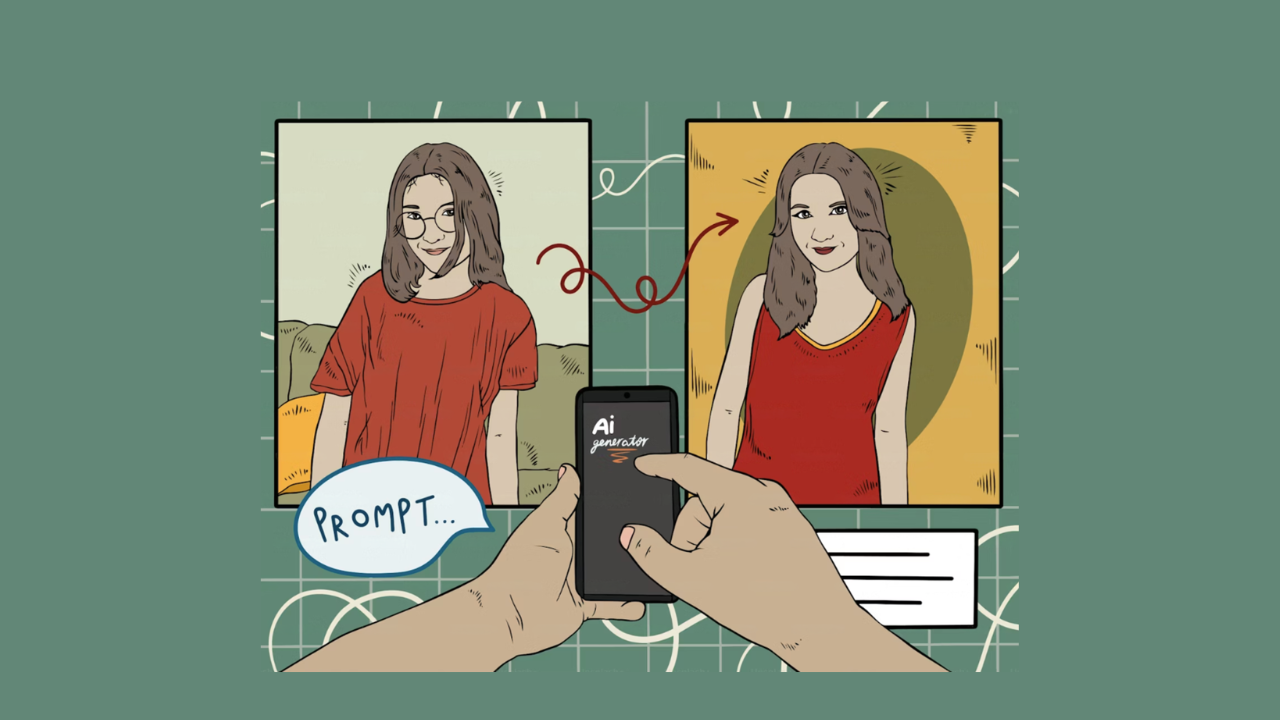
Scammers target victims by gaining access to private images or using AI to create fake ones. Once they have leverage, they pressure victims into compliance. Here’s how they operate:
- They contact you on social media, pretending to be someone you trust.
- They obtain fake compromising images using AI or stolen content.
- They demand payment or more explicit content, threatening to expose the images if you refuse.
- They often operate as part of international crime networks, making them harder to track.
Where Sextortion Scams Happen Most
Most cases happen on social media. In fact, 74% of reports involve Instagram and Snapchat. Scammers take advantage of these platforms to target young users and spread their schemes quickly.
What to Do If You Are Targeted
If a scammer tries to extort you, staying calm and acting fast is key. Here’s what you should do:
- Do not respond to their threats. Engaging with them can make things worse.
- Report the scam immediately on the platform where it happened.
- Contact cybercrime authorities, such as the FBI’s Internet Crime Complaint Center (IC3) or local law enforcement.
- Seek support from trusted friends, family, or professional organizations that deal with online blackmail cases.
If you want to understand how to handle sextortion, read this guide on how to protect yourself and take action if it happens to you.
How to Protect Yourself from Extortion Scams

Scammers rely on fear and urgency to pressure you into paying. But if you know what to look for, you can prevent blackmail scams right away.
Recognizing Red Flags
Look out for these warning signs:
- Emails threatening to release personal data or claiming to have hacked your device.
- Unsolicited messages demanding money, especially in cryptocurrency.
- Strangers on social media asking for personal photos or private details.
Steps to Prevent Attacks
Now, let’s go over how you can stay safe:
- Verify suspicious contacts. Use Social Catfish to check if an email, phone number, or profile is linked to a scam.
- Use strong passwords and two-factor authentication. This stops hackers from breaking into your accounts.
- Avoid downloading unknown attachments or clicking strange links. These often contain malware.
- Keep your devices updated and use cybersecurity software. This helps block threats before they reach you.
Not sure if a message or profile is real? Run a reverse search to see if it has been linked to scams before.
What to Do If You’re a Victim of Online Extortion
If you’re dealing with online extortion, the most important thing to remember is this: do not pay the scammer. Paying does not guarantee they will leave you alone. In many cases, it only leads to more threats.
Steps to Take Immediately
Here’s what you should do the moment you realize you’re being targeted:
- Run a reverse lookup to verify the scammer’s identity by searching their email, phone number, or online profiles.
- Document everything and take screenshots of emails, messages, threats, and any payment demands.
- Report the scam by filing a complaint with the FBI IC3, FTC, or local law enforcement to initiate legal action.
- Disconnect and secure your accounts. If hackers have gained access to your device, disconnect from the internet, run a security scan, and reset your passwords.
- Seek legal help if necessary. If the extortion involves serious threats or financial damage, consult a legal expert.
Recovering from Extortion
Once you’ve taken immediate action, focus on recovering:
- If personal images are used against you, contact cybercrime agencies that specialize in removing sensitive content.
- If business data was stolen, work with IT experts to recover encrypted files and prevent further damage.
Are you being blackmailed online? Our search specialists can help you verify online identities, track down scammers, and uncover the truth, saving you from stress, wasted time, and potential financial loss.
Here’s what users say about their experience:
“What an incredible and amazing experience. So emotionally draining I was at a loss until I contacted your Team. Sheridan was so kind and held our hand every step of the way! Her was a true professional and in the end the thoroughness of your investigation brought all the truth to the surface!! The best hire EVER!! Thank YOU Sheridan and the Social Catfish Team!!!” – Jennifer.