
 Multiple Faces Detected


 January 21st, 2026
- How Online Blackmail Works: The Three Things Scammers Use Against You
- Tactics Used by Online Blackmailers
- Where Blackmailers Operate: The Platforms They Use Against You
- What to Do If You’re Being Blackmailed Online
- How to Protect Yourself from Online Blackmail
- Other Types of Blackmail and Related Online Scams
Online blackmail cases surged 254% in early 2024, according to the Cyber Security Agency. And the consequences go beyond money.
Victims face relentless stress, ruined reputations, and even threats to their safety. Once targeted, escaping the scam can feel impossible.
Here’s how these blackmail schemes operate, what to do if you’re caught in one, and how to protect yourself before it happens.
How Online Blackmail Works: The Three Things Scammers Use Against You

Blackmailers rely on three things:
- Fear – They scare you into acting fast.
- Secrecy – They count on you being too embarrassed to ask for help.
- Control – They make you feel trapped so you keep giving in.
Tactics Used by Online Blackmailers
According to the Digital Forensics 2025 Sextortion Report, nearly 60% of victims are under 40, while 40% are over 40. Let’s look at how these scams actually work.
Sextortion: The Most Common Type
Sextortion scams happen when scammers trick victims into sharing private images or videos and then threaten to release them unless they get what they want.
Here’s how it works:
- 83% of reported victims are male.
- Boys are blackmailed for money, while girls are pressured for more photos.
- Many of these scams are run by international crime groups.
Sensitive Information Blackmail
Scammers use stolen or fake personal details to pressure victims. Here’s how they do it:
- Hack into emails or messages.
- Buy leaked passwords from data breaches.
- Fake evidence, like edited screenshots or emails.
- If they convince you they have dirt on you, they can control you.
Police Impersonation Blackmail
Some scammers pretend to be law enforcement and claim you’ve committed a crime. Then, they demand money to “fix” the situation.
Warning Signs:
- They contact you out of nowhere and claim you’re in legal trouble.
- They demand payment immediately to “clear your record.”
- They tell you not to talk to anyone else.
- Real police don’t ask for money over the phone or social media.
Deepfake Blackmail
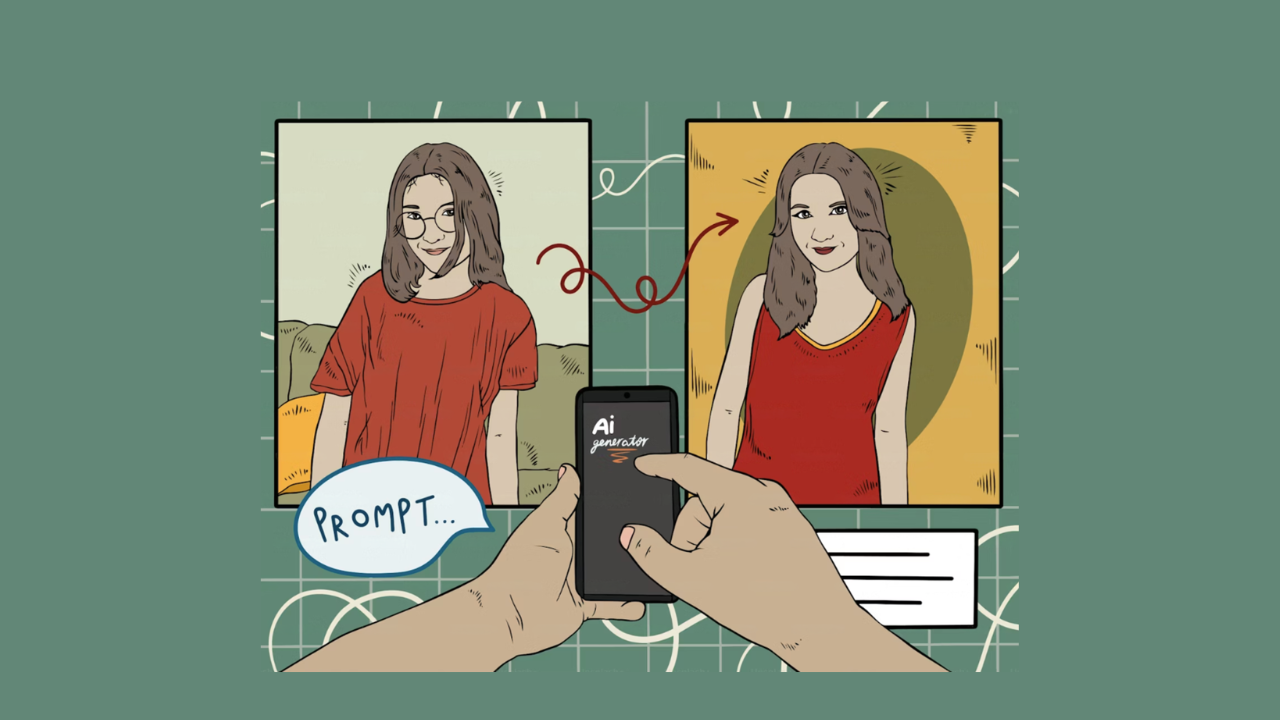
Scammers use AI to create fake images or videos of victims and use them as threats. Here’s what they do:
- Take a single photo from your social media.
- Use AI to create fake videos of you.
- Claim they’ll release the footage unless you pay.
- The more advanced deepfakes become, the harder they are to disprove.
Cyberstalking & Harassment
Some scammers don’t just send threats—they stalk victims online for months.
They start by:
- Sending messages to family, friends, or employers.
- Creating fake profiles in the victim’s name.
- Keep pressuring the victim until they give up.
- And if they don’t get what they want, they may escalate by spreading false rumors or sharing real personal details.
Where Blackmailers Operate: The Platforms They Use Against You
Blackmail scammers use specific platforms to find and trap their victims.
Social Media: The Biggest Danger Zone
Most cases start on Instagram and Snapchat. These two platforms alone account for 74% of sextortion cases.
How it happens:
- Scammers send messages pretending to be someone your age.
- They flirt or offer money to gain your trust.
- Once you reply, they move the conversation to private messaging.
- Once they have you there, they start making demands.
Think that friendly stranger is not who they says they are? Run a reverse search before you reply.
Facebook: A Common Hunting Ground for Scammers
Facebook scams work a little differently. Many blackmailers start on Facebook, then switch to WhatsApp or Telegram for privacy.
Here’s how:
- A fake profile adds you as a friend.
- They message you, pretending to be a real person with shared interests.
- The chat turns personal fast.
- They pressure you into sharing photos or information.
- Once they have something to use against you, the threats start.
Private Messaging Apps
Once cyber extortion scammers gain your trust, they push you onto private apps like WhatsApp, Telegram, or Signal.
That’s because:
- These apps have end-to-end encryption, so it’s harder for law enforcement to track them.
- They can disappear anytime, blocking you after they get what they want.
- Some platforms let messages self-destruct, leaving no proof behind.
- This is why you should be cautious when someone insists on switching to a private app.
What to Do If You’re Being Blackmailed Online
While most scammers use fear to control you, the worst thing you can do is panic. Let’s look at how to get out of blackmail scams:
Step 1: Do Not Engage or Pay the Blackmailer
It might feel like giving them what they want will make them stop, but it won’t. Paying only encourages them to demand more.
And once you do:
- They will keep coming back for more money or content.
- They might sell your information to other scammers.
- There’s no guarantee they’ll delete what they have.
- Instead, cut off all contact immediately.
Step 2: Collect Evidence
Before blocking them, gather proof of their threats. This is important if you need to report the scam later. Here’s a list of things you should gather:
- Screenshots of messages, emails, or videos.
- Usernames and profiles of the blackmailer.
- Transaction requests (if they ask for money).
- Save everything in a safe place where it won’t be deleted.
Step 3: Report the Blackmailer
Here’s where to report cyber extortion:
- Law Enforcement: Many police departments have cybercrime units.
- The Platform: Instagram, Snapchat, or Facebook can take down scam accounts.
- Cybersecurity Experts: Some professionals specialize in blackmail cases.
Step 4: Tighten Your Online Security
Once you’ve cut contact, make sure they can’t come back for more. Here’s what to do:
- Change all passwords, especially for email and social media.
- Enable two-factor authentication to block unauthorized logins.
- Check the privacy settings on your accounts so strangers can’t contact you.
How to Protect Yourself from Online Blackmail
Blackmailers don’t always show their true intentions right away. But if you know the warning signs, you can stop them before they get too close.
Early Warning Signs
Most online blackmail cases start the same way—with a scammer pretending to be someone they’re not. Ask these questions regarding scammers when your gut feeling tells you something’s off:
- Fake Profiles: Do their profile seem new, or have stolen photos?
- Rushing for Private Content: Are they pushing you to send photos or switch to another app?
- Unexpected Requests: Are they asking for money or personal details?
Here’s how to stay safe:
- Lock Your Social Media: Keep profiles private and limit what strangers see.
- Verify Who You Talk To: Use tools like Social Catfish or ask for a video call.
- Spot Scam Tactics: If they flatter, pressure, or threaten you, cut them off.
Other Types of Blackmail and Related Online Scams
Not all blackmail starts with threats. Some scammers trick you into giving them money or personal details first.
419 Scams (Advance Fee Fraud)
Scammers pretend to be wealthy individuals, government officials, or businesspeople. These 419 scammers promise large sums of money in exchange for small “fees” upfront. First:
- They ask for bank fees, legal costs, or “processing” charges.
- And once you pay, they disappear—or keep asking for more.
Romance Scams & Fake Professions
These scams play on emotions. To avoid meeting in person, scammers pretend to be military personnel, oil rig workers, or other remote professionals.
Here’s what they do:
- They build trust over weeks or months.
- They claim to have an emergency and need money.
- Some even use stolen photos to make their story believable.
Is someone blackmailing you online? Use our search specialist service to verify their identity before you take any action.
Here’s what users say about their experience with our search specialist service:
“ERIN was really helpful with everything I asked and I was set aside with the accuracy and letting me know what steps I need to take next very helpful” – Barbara.