

 Multiple Faces Detected



 March 21st, 2025
The convenience of Facebook Marketplace has made it a popular hub for buying and selling, but it’s also attracted a surge in fraudulent activity. In 2023 alone, online shopping scams, including those on Facebook Marketplace, cost consumers a staggering $2.7 billion.
In this article, we’ll break down the most common Facebook Marketplace scams, discussing the different tactics used by both fraudulent buyers and sellers, as well as the most effective tips to help you protect yourself.
What Is a Facebook Marketplace Scam?
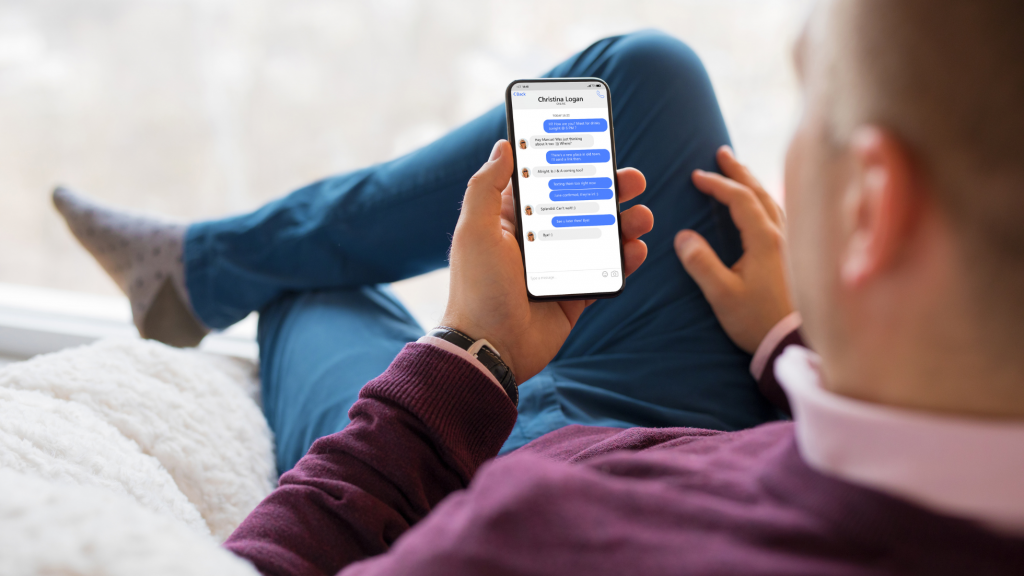
A Facebook Marketplace scam is a deceptive scheme designed to trick users into losing money, goods, or personal information. These scams exploit the trust between buyers and sellers and often involve misleading offers, fake accounts, or fraudulent transactions.
Scammers may alter listings, send fake payment confirmations, or rush users into making hasty decisions. Their goal is simple: to exploit unsuspecting individuals. Understanding what a Facebook Marketplace scam is can help you recognize warning signs and protect yourself from losing money.
Common Facebook Marketplace Scams
Facebook Marketplace offers great opportunities to buy and sell items, but it also attracts scammers looking to take advantage of unsuspecting users. Here are some of the most common scams you’ll encounter and how they work.
Scams Initiated by Buyers
Overpayment Scams
In an overpayment scam, the buyer offers to pay more than the asking price, often using a check or digital transfer. The scammer then requests that the seller send back the extra money, claiming it’s a mistake or asking for the difference to be refunded. After the seller sends the money, the original payment turns out to be fake, leaving them with a bounced check and a significant loss.
Fake Payment Confirmations
Scammers often send fake payment confirmations that look like they’re from legitimate payment platforms such as PayPal or Zelle. These emails falsely state that a payment has been made for an item.
The seller, believing the payment was cleared, ships the product. However, the payment was never made, and the scammer disappears once the item is sent.
Phishing for Personal Information
Phishing scams involve scammers pretending to be buyers, aiming to steal personal information. The scammer might ask for sensitive data such as your email, phone number, or banking information under the guise of making a purchase. This personal information can then be used for identity theft or other malicious purposes.
Gift Card Payment Requests:
A gift card scam occurs when a buyer insists on using gift cards as payment. Once the seller shares the gift card information, the scammer drains the funds and disappears. This type of scam is difficult to trace, leaving the victim without both the payment and the item.
Scams Initiated by Sellers
Fake Listings
Sellers create fake listings for popular items like electronics, designer clothes, or tickets, often at prices that seem too good to be true. After receiving payment, the scammer disappears without shipping the product. These listings are designed to lure in buyers with attractive prices and convincing descriptions, only to leave them empty-handed once the payment is made.
Counterfeit or Stolen Goods:
Some sellers attempt to sell counterfeit or stolen goods on Facebook Marketplace. These items are often sold at unrealistically low prices to entice buyers. Popular items like electronics, luxury bags, or sneakers are common targets. Once the buyer makes the payment, they receive an inferior counterfeit product or something entirely different.
How to Spot a Fake Seller or Buyer on Facebook Marketplace
Recognizing a fake seller or buyer early can save you from losing money or personal information. Here are some key signs to watch out for:
- Suspicious Profile Picture: Look for generic or stock images that don’t appear personalized or are overly polished.
- Limited Activity: Fake accounts often have minimal posts, few friends, or no reviews or ratings. Be cautious of new accounts with little history.
- Unrealistic Prices: Extremely low prices on popular items can be a red flag. If it sounds too good to be true, it probably is.
- Vague or Inconsistent Communication: Fake buyers or sellers often use vague or generic responses. Look out for spelling errors or inconsistent details in their messages.
- Rushed or High-Pressure Tactics: Scammers often push you to make quick decisions or ask for immediate payment to create a sense of urgency.
- Refusal to Meet in Person: If the buyer or seller is reluctant to meet in a public location or insists on using unconventional payment methods, be wary.
- Suspicious Payment Requests: Requests for gift cards, wire transfers, or other non-secure payment methods are a major red flag.
How to Protect Yourself from Facebook Marketplace Scams

By staying vigilant and taking a few extra steps, you can protect yourself from falling victim to Facebook Marketplace scams. Here’s how:
- Check Buyer/Seller Profiles: Look for profiles with real photos, activity history, and positive reviews. Be cautious of new accounts with little to no information. If you encounter a suspicious profile, consider using a search specialist service to verify the details.
- Verify Payments: Always verify payment confirmations directly through your bank or payment provider rather than trusting screenshots or emails. Scammers can easily fake these to seem legitimate.
- Meet in Safe Locations: Opt for public spaces like police department parking lots or designated exchange zones. Avoid sharing your home address for added security.
- Report Suspicious Activity: If you come across a suspicious listing or seller, report it to Facebook right away. This helps protect other users from potential scams.
- Trust Your Instincts: If something feels off, trust your gut and walk away. Scammers often use pressure tactics to rush you into making decisions. Stay educated on common buying and selling tricks.
- Use a Reverse Phone Lookup Tool: If a buyer or seller provides a phone number, run it through a Reverse Phone Number Search to check for scam reports or any fraudulent activity linked to that number.
Stay One Step Ahead
Staying vigilant and informed is the best defense against a Facebook marketplace scam. By understanding common tactics, using verification tools, and following safety guidelines, you can significantly reduce your risk of becoming a victim. Remember, if something seems too good to be true, it probably is.
If you’ve encountered a suspicious buyer or seller, don’t take any chances. With Social Catfish’s Reverse Phone Number Search feature, you can quickly verify if a phone number has any past link to fraudulent activity. Their comprehensive reports pull data from public records, social media, and online sources to give you the peace of mind you deserve.











