 Multiple Faces Detected


 July 2nd, 2024
Have you ever received a suspicious text message asking for personal information or urging you to click on a link? If so, you may have been a target of SMS phishing, also known as smishing. This form of cyber attack has been around for years, but scammers are constantly coming up with new techniques to trick unsuspecting victims. In this blog post, we’ll take a humorous look at some of the latest tactics used in SMS phishing and how you can protect yourself.
The Classic “You’ve Won a Prize!”
One of the oldest tricks in the book is the “you’ve won a prize” text message. It usually goes something like this: “Congratulations! You’ve won a free vacation to Hawaii! Click on the link to claim your prize.” Of course, the link leads to a fake website where you’re asked to enter personal information or download a malicious file. But let’s be real, who wouldn’t want a free trip to Hawaii? It’s tempting to click on that link, but don’t fall for it.
The Urgent Security Alert
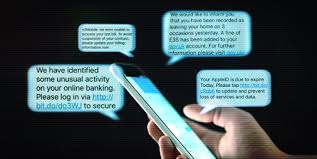
Scammers are also using fear to their advantage with urgent security alert messages. These texts may claim that your bank account has been compromised or that there has been suspicious activity on your credit card. They’ll ask you to click on a link to verify your account information or change your password. But in reality, the link will take you to a fake website designed to steal your personal information. Don’t let fear cloud your judgment, always double check with your bank or credit card company before clicking on any links.
The Fake Delivery Notification
With the rise of online shopping, it’s no surprise that scammers are using fake delivery notifications to lure in victims. You may receive a text message claiming that your package couldn’t be delivered and you need to click on a link to reschedule the delivery. But instead of a package, you’ll end up with a virus or your personal information in the hands of a scammer. If you’re expecting a package, always check the tracking number directly on the retailer’s website instead of clicking on any links in text messages.
The “Your Account Has Been Hacked” Scam
Another popular tactic is the “your account has been hacked” scam. You may receive a text message claiming that your social media account or email has been compromised and you need to click on a link to change your password. But in reality, the link will take you to a fake login page where your credentials will be stolen. If you’re concerned about the security of your accounts, go directly to the official website or app to change your password.
The “You Have a Secret Admirer” Text
Who doesn’t love a little romance? Scammers are taking advantage of this by sending text messages claiming that you have a secret admirer and you need to click on a link to find out who it is. But instead of a love letter, you’ll end up with a virus or your personal information compromised. Sorry to break it to you, but it’s probably not a secret admirer sending you that text.
The Fake Charity Donation Request
One particularly cruel tactic used by scammers is the fake charity donation request. They often exploit recent disasters or popular causes to tug at your heartstrings and solicit donations via text messages. These messages may include compelling stories and ask you to click on a link to donate. Unfortunately, the link leads to a fraudulent site designed to steal your credit card information or personal details. To protect yourself, always verify the legitimacy of the charity by visiting their official website directly or using trusted charity verification tools such as Charity Navigator or GuideStar.
Another way to avoid falling for this scam is to set up direct donations to reputable charities you trust. This ensures your contributions go where they are needed and avoids the risk of falling victim to fraudulent schemes. If you receive a suspicious message, report it to your mobile carrier and the Federal Trade Commission (FTC) to help prevent others from being scammed.
The Job Offer Scam
With the increase in remote work opportunities, scammers are targeting job seekers with fake job offers sent via text messages. These messages may claim you’ve been selected for an interview or offered a high-paying job, but require you to click on a link or download an attachment to proceed. This can lead to malware infections or phishing sites designed to collect your personal and financial information. Legitimate companies will rarely initiate contact through unsolicited text messages, especially without any prior interaction.
To protect yourself from job offer scams, always research the company and verify job offers through official channels, such as the company’s website or reputable job boards like LinkedIn, Indeed, or Glassdoor. Be cautious of unsolicited job offers that seem too good to be true, and never provide personal information or download files from unknown sources. Additionally, be wary of job offers that require you to pay upfront for training or equipment, as these are common red flags for scams.
How to Protect Yourself
Now that we’ve had a good laugh at some of the ridiculous tactics used in SMS phishing, let’s talk about how you can protect yourself from falling victim to these scams.
- Be cautious of any text messages from unknown numbers or senders.
- Never click on links in text messages, especially if they’re asking for personal information.
- Don’t respond to suspicious text messages, as this will confirm to scammers that your number is active.
- Double check with the company or organization directly if you receive a text message claiming there is an issue with your account.
- Install a reputable anti-virus software on your phone to protect against malicious links and files.
Remember, if something seems too good to be true or too urgent to ignore, it’s probably a scam. Stay vigilant and don’t let scammers trick you with their clever SMS phishing tactics.
Final Thoughts
SMS phishing may seem like a harmless prank, but it can have serious consequences if you fall for it. By staying informed and following these tips, you can protect yourself from becoming a victim of these scams. And if you do receive a funny or suspicious text message, don’t forget to share it with your friends and family for a good laugh. Stay safe out there, folks!