
 Multiple Faces Detected



 October 10th, 2025
Have you heard of WhatsApp? What started as a simple messaging tool has become one of the most popular communication apps in the world. While WhatsApp is known for its convenience, privacy features, and free global calling, it has also become a hotspot for scammers. Do scammers use WhatsApp? Absolutely, and their tactics are getting smarter every day.
If you’re not careful, you could end up sharing personal information or even losing money to a fraudster. This guide will show you how to recognize WhatsApp scams, protect your privacy, and stay safe while chatting online.
Worried someone on WhatsApp might not be who they say they are? Run a reverse search on Social Catfish to verify their identity and stay safe from scams.
First, What is WhatsApp?
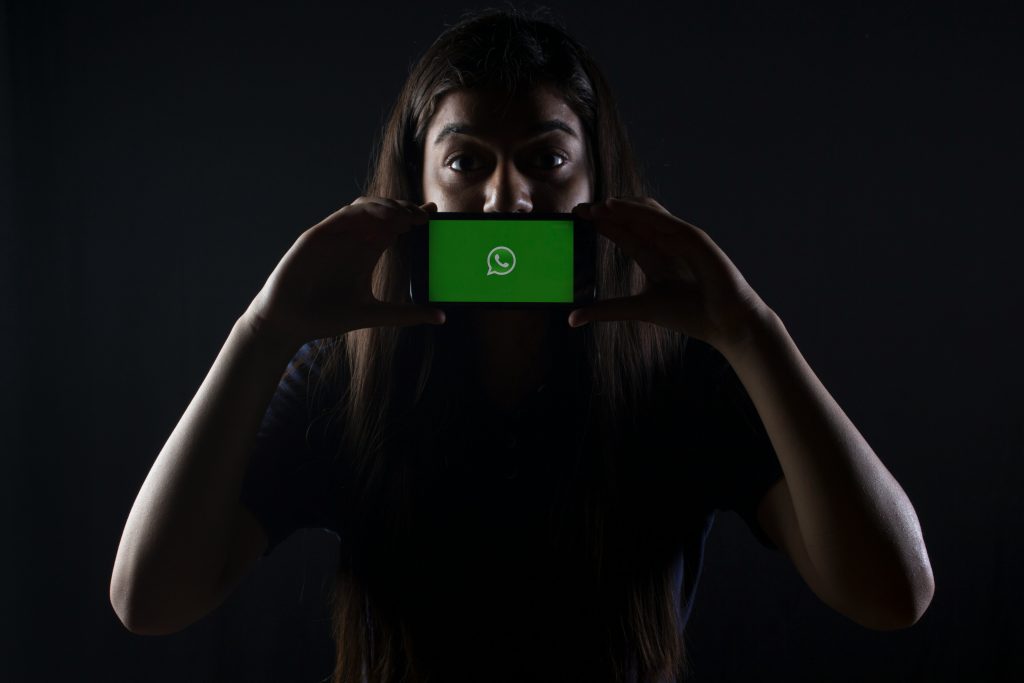
Started in 2009, WhatsApp has changed the way we think of messaging. It is now one of the most popular apps of its kind. The draw is that the app service is free and allows users to communicate between desktop and mobile devices across the planet.
Some users want to avoid long-distance plans, others lack cell phone service, while various WhatsApp users want a handy messaging app. The only problem is that romance scammers, catfish, and con artists are also using the messaging app in droves.
Fact:
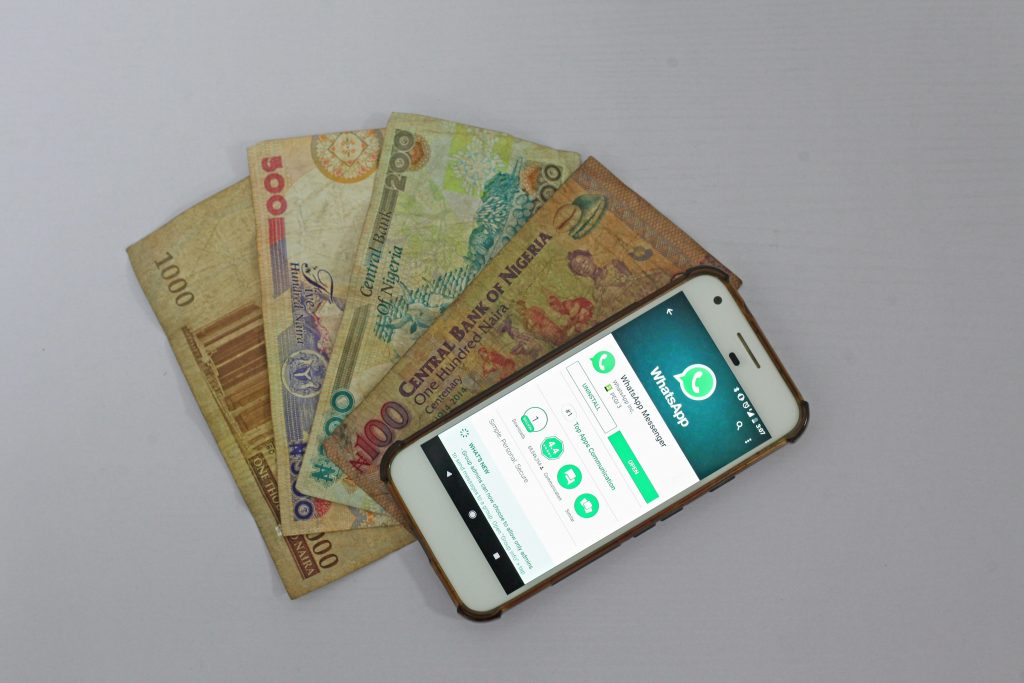
Many of them will use the platform to trick people out of money, illegally. For scammers, it makes sense, as they can sign up without giving away their real identity.
Are There Any WhatsApp Scams Going Around?
In this day and age, digital scams are becoming rampant. WhatsApp is no exception to the slew of cyber threats that are in circulation. Whether it’s a malicious link or voice message containing personal information, users should be aware that there are potential WhatsApp scams out there.
It pays to read up on the types of WhatsApp fraud and how to spot them so that you can protect yourself and your data from malicious attacks. Knowing what WhatsApp scams look like and staying vigilant may not protect users completely, but it will certainly reduce their chances of falling prey to these fraudsters.
WhatsApp Scams
Here are some of the most common WhatsApp scams:
Stranger Danger
You receive a message from a stranger. Somehow, they begin a conversation that has you intrigued. Maybe they compliment you or ask you a question. The stranger, unfortunately, is a scammer who wants you to wire them money or online gift cards. If you continue the conversation, you’ll find out the hard way.
Fake Job Offer
Are you looking for a job? Great!
Just don’t trust an unsolicited WhatsApp scammer. If the job sounds too good to be true, it probably is. Legitimate jobs aren’t just offered through WhatsApp. Avoid job posts that are online only and lack a real interview process.
The fake job scammer might ask for your personal information and steal it (identity theft) or try and get you to pay them for the opportunity, by paying for (supposedly) “necessary” equipment.
Fake Investments
Similar to fake job offers, a fraudulent investment will want to give you money, as long as you deposit money to them first. When you go to collect the fruits of your investment, you’ll find the other person(s) account deleted or your account blocked by the con artist.
Is it Safe to Reply to Unknown WhatsApp Messages?
As a general rule, it is not safe to reply to unknown WhatsApp messages. Unknown messages may come from individuals or organizations with malicious intentions, such as phishing attempts, scams, or malware attacks. These messages may contain links to dangerous websites, attachments that install viruses or spyware on your device, or requests for sensitive information like passwords, banking details, or personal data.
To protect yourself, it is best to ignore or delete messages from unknown senders, and to avoid clicking on any links or downloading any files from such messages. If you receive any suspicious messages, you can also report them to WhatsApp or block the sender to prevent further contact.
FAQs
1. What are the most common WhatsApp scams?
The most common scams include fake job offers, QR code scams, impersonation attacks, investment fraud, and phishing. Family emergency scams are also widespread, where scammers pretend to be someone’s child or friend needing urgent money.
2. How can I identify a scam message?
Watch for unsolicited contact, urgent tone, requests for money or information, suspicious links, and grammatical errors. Be cautious of unknown numbers and messages asking for personal details.
3. What should I do if I get a suspicious message?
Don’t share personal or financial information. Research the organization through a different channel if it seems legitimate. Block and report the user to WhatsApp immediately.
4. Is WhatsApp itself safe to use?
Yes, WhatsApp is legitimate and owned by Meta, providing end-to-end encryption for messages and calls. The app is secure, but users must stay alert to scammer tactics.
5. Can scammers impersonate WhatsApp support?
Yes, scammers pretending to be WhatsApp support will ask you to verify your identity by providing personal details, credit card numbers, or six-digit verification codes. WhatsApp never asks for this information directly.
How to Stay Safe on WhatsApp
It’s okay to block a stranger’s messages. To stay safe, block unsolicited messages from anyone you don’t know personally. Encourage friends and family to do the same.
Do not interact with any prospective employers or employees through WhatsApp. Instead, connect through LinkedIn or an actual company email (after inspecting their website).
Don’t Open
Before you block a stranger’s messages, the best thing to do would be not to open them, to begin with.
Beware of WhatsApp Love
Love through WhatsApp does happen, but legitimate love connections are far less common than romance scammers. Romance scammers use the app to lure in victims with compliments and promises of true love. They can be useful and sound believable. After the scammer has your heart, they’ll come for your wallet.
Part of our goal at Social Catfish is to educate internet users about the risks they might encounter online and within trusted apps. These risks often come from scammers, fraudsters, hackers, and con artists. Keeping data and information safe is crucial, and education is what can protect you from being tricked by your next online friend, date, app connection, etc.
Go to Social Catfish and search your online connections by name, email, username, phone number, and image! You can even search people by their social media profile pics!