
 Multiple Faces Detected


 June 11th, 2025
Insider threats have become one of the most urgent cybersecurity concerns in 2025. As companies continue to rely on hybrid teams, remote access, and cloud services, the potential for internal misuse or error has grown significantly.
According to the 2024 Verizon Data Breach Investigations Report, insider threat incidents rose by 42%, driven by both intentional misconduct and accidental exposure.
Unlike external attacks, these threats often bypass traditional security measures, making them harder to detect and more damaging when overlooked.
This blog will explain what insider threats are, the different forms they take, why they’re increasing, and what organizations can do to protect their data.
What Is an Insider Threat in Cybersecurity?

An insider threat is a cybersecurity risk that originates from within an organization, typically involving an individual who already has authorized access to systems, data, or networks.
This could be an employee, contractor, intern, or even a former staff member whose access wasn’t properly revoked.
Even the most minor mistakes or missteps can have significant consequences. Here are a few real-world examples of how insider threats happen:
- Downloading confidential data to personal devices without encryption or authorization.
- Clicking on phishing emails that appear to come from trusted sources compromises login credentials.
- Misconfigured file or system permissions that accidentally expose sensitive data to unauthorized users.
- Selling access credentials on the dark web to cybercriminals or nation-state actors.
Each of these actions, whether accidental or intentional, can open the door to data breach, financial loss, and long-term damage to trust and reputation.
Why Insider Threats Are Escalating in 2025
As businesses rely more on technology, the risk of internal problems is growing rapidly. Someone with malicious intentions doesn’t always pose an insider threat. Sometimes it’s simply due to mistakes, excessive access, or being tricked by sophisticated scams.
Understanding the causes of these threats is the first step in mitigating them.
Remote Work and BYOD Culture
Remote work has widened the attack surface by moving access points outside the company network. Home Wi-Fi, personal devices, and unmonitored logins increase the chances of data leaks, phishing, and unauthorized access.
Understanding the online fraud risks associated with working from home is essential for minimizing internal exposure.
Bringing personal devices into the workplace environment opens up new vulnerabilities. When employees mix work and personal use on the same device, it becomes harder to control where sensitive data ends up, and easier for threats to slip through unnoticed.
Social Engineering
Insider threats in 2025 are increasingly triggered by social engineering. Attackers now use voice phishing, text scams, and deepfakes to impersonate executives or IT staff with alarming accuracy.
A convincing message can lead someone to share credentials or approve unauthorized access without realizing it.
These attacks aren’t limited to email or messaging platforms. Mobile payment apps used on work-connected devices can also be entry points for fraud. Safeguarding your mobile payment apps reduces the risk of fraud and unauthorized access through compromised accounts.
Privileged Access Misuse
When insider threats involve individuals with elevated access, such as IT administrators, executives, or finance managers, the stakes are far higher. These users often have access to core systems, customer data, and security configurations.
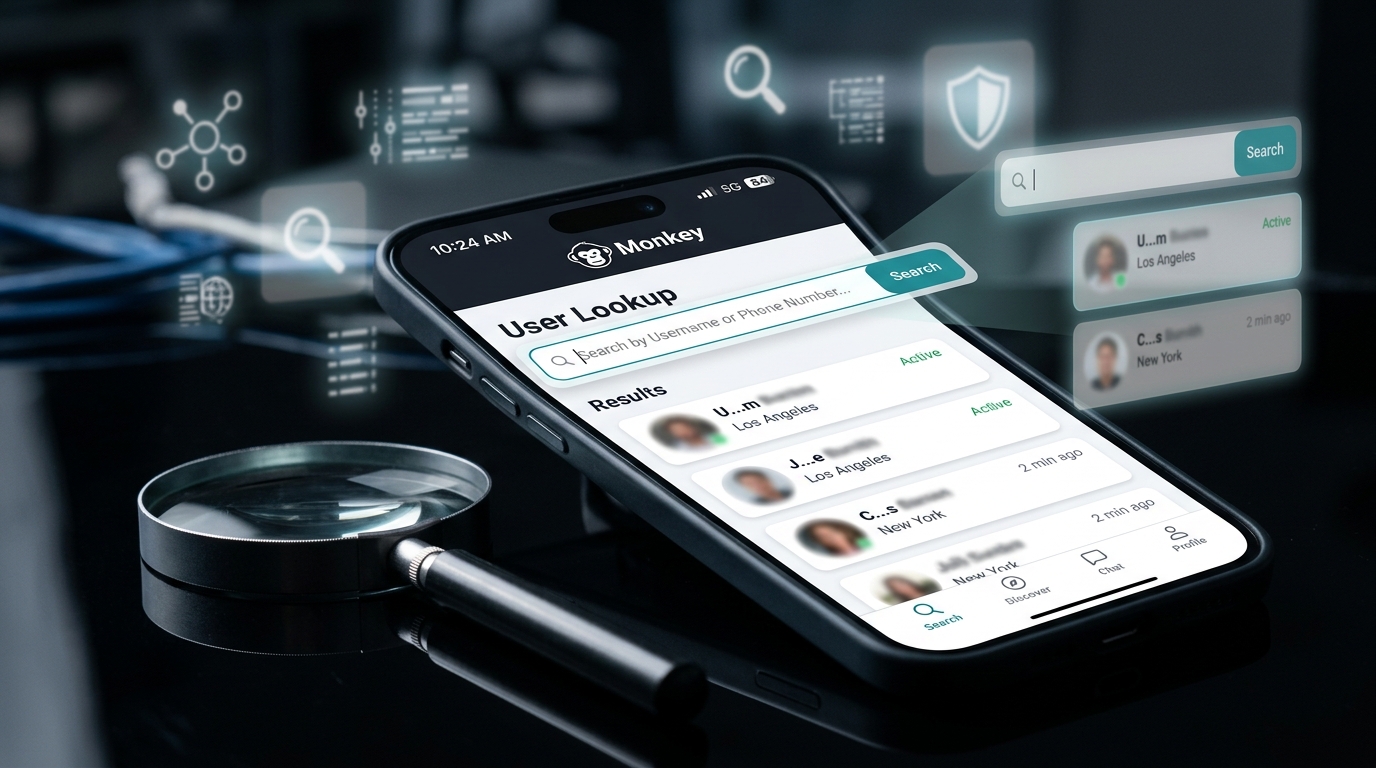
If someone with high-level access is behaving strangely, it’s worth confirming who exactly is behind the account. A name lookup can help validate identities, especially when dealing with former employees, contractors, or unfamiliar names that appear in system logs.
Supply Chain and Third-Party Access
Organizations often rely on third-party vendors, contractors, and managed service providers to perform essential functions. While efficient, this model introduces external insiders who may have significant system access without being fully integrated into your security protocols.
If these partners are compromised, or if access is too broad or poorly monitored, it can create backdoors into sensitive parts of your infrastructure.
Types of Insider Threats You Should Know
Here are the three main types to watch for:
Malicious Insiders
Malicious insiders are individuals who intentionally exploit their access to harm the organization. Their motives include revenge, financial gain, or personal beliefs. They often know how to avoid detection and target high-value systems.
Some use that access to demand payment in exchange for keeping data private, an act of online extortion. These threats are especially dangerous because the attacker already knows where to look and how to cover their tracks.
Negligent Insiders
These are well-meaning employees who make mistakes. They might use weak passwords, forget to log out, or click on a phishing email. While they don’t intend to cause harm, their actions can still lead to serious problems.
Even simple activities like online shopping during work hours can create security risks. If login or payment info is exposed on a shared device, company data could be compromised too. Avoiding identity theft while online shopping should be part of basic employee security training.
Compromised Insiders
Compromised insiders are employees whose accounts are taken over through phishing, malware, or stolen credentials. These threats are hard to spot because the access appears legitimate.
Attackers often exploit publicly available information to gain unauthorized access. Details shared online can be used to guess passwords or impersonate coworkers. Knowing the risks of sharing personal information online helps prevent these types of breaches.
How to Protect Your Organization from Insider Threats in 2025
Stopping insider threats requires having robust systems, effective policies, and well-informed personnel. Here are four key ways to reduce the risk.
Establish a Zero Trust Security Model
Zero Trust means no one is automatically trusted, inside or outside your network. Everyone must verify their identity and access level before entering.
This approach blocks unauthorized access and limits the extent to which someone can move within your systems, thereby reducing the risk of widespread damage.
Small businesses face greater insider threat risks due to limited security resources. Weak device-level protection is a common gap. Strong endpoint security for small businesses helps prevent both external breaches and internal misuse by securing every access point.
Monitor User Behavior with AI/ML Tools
Modern tools, such as UEBA (User and Entity Behavior Analytics), utilize artificial intelligence to identify unusual user and entity behavior. These systems learn what’s normal for each user, then alert you if something seems off, such as logging in at unusual times or downloading large amounts of data.
Regular Access Reviews and Least Privilege Policies
Reviewing access rights often helps catch outdated or unnecessary permissions. Employees should only have access to the files, tools, and systems they need for their job, nothing more. Limiting access this way reduces the chances of accidental leaks or abuse.
Continuous Security Training
Training shouldn’t be a one-time event. Ongoing education, including regular phishing tests, keeps security at the forefront of our minds. Employees should be aware of how to recognize suspicious behavior, fake emails, and common tactics employed by attackers.
What to Do If You Suspect an Insider Threat
Quick, well-planned action can prevent the damage from worsening. The right response protects both your data and your team from long-term consequences.
If you suspect an insider threat but lack the internal resources or expertise to conduct a thorough investigation, engaging a Search Specialist can be invaluable.
Our professionals at Social Catfish are adept at conducting detailed online research using Open Source Intelligence (OSINT) techniques to verify identities and uncover digital footprints.