 Multiple Faces Detected


 August 4th, 2025
Forex trading has exploded in popularity, especially among beginners drawn in by the promise of fast profits, flexible schedules, and accessible mobile apps. Influencers and online ads often portray forex as a quick path to financial freedom showing screenshots of five-figure profits and luxurious lifestyles. And while it’s true that trading foreign currencies can be a legitimate way to earn money, the reality is that the world of forex is also filled with traps, fake apps, and scam brokers that deliberately target the inexperienced.
What many new traders don’t realize is that the same tools that make forex accessible, like mobile apps, social media “mentors,” and Telegram groups, are also the tools scammers use to manipulate and mislead. One wrong download or rushed decision can result in lost savings, stolen personal data, or worse.
For beginners, the line between opportunity and deception is dangerously thin. In this guide, we’ll explore how forex trading apps work, what makes them risky for first-timers, and how to get started the smart, safe way using tools like Social Catfish to verify legitimacy before you invest your money or your trust.
What Is Forex Trading?
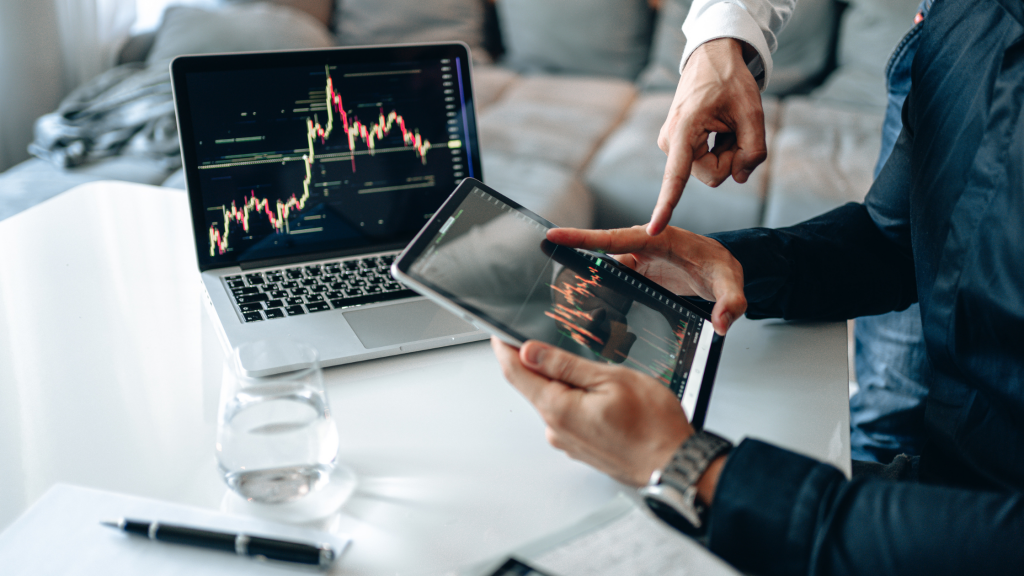
Forex is short for “foreign exchange”, and is the act of trading one currency for another to make a profit from changes in exchange rates. Traders speculate on whether one currency (like the U.S. dollar) will rise or fall in value against another (like the euro or yen). With over $6 trillion exchanged daily, it’s the largest and most liquid financial market in the world.
Originally, forex trading was limited to institutional players, governments, banks, and multinational corporations, but technological advances have opened the doors to individual traders. Today, anyone with a smartphone and an internet connection can access the forex market through mobile trading apps.
However, that same accessibility has made the space a breeding ground for scams. Fraudsters now create fake trading apps, impersonate professional traders, and promise fast profits to lure beginners into schemes that can quickly drain your bank account. Understanding how the market works is the first step in protecting yourself.
Why Beginners Are Targeted in Forex Scams
Beginners often fall into scams because:
- They’re unfamiliar with financial regulations
- They trust flashy marketing and unrealistic promises
- They don’t verify the legitimacy of apps or brokers
- They believe quick profits are guaranteed
Scammers count on this lack of experience to lure users into fake platforms or high-risk schemes that disappear as soon as deposits are made.
Common Forex Trading Scams on Mobile Apps
Mobile trading has made forex more accessible, but it’s also opened the door to scammers posing as brokers, mentors, or legit apps. For beginners, these scams can be hard to spot. Here are the most common tactics used to trick new traders:
1. Fake Forex Trading Apps
Some apps pose as trading platforms but are designed purely to collect deposits and vanish. These often mimic real brokers in design but lack licensing or transparency.
Red flags:
- Poor app reviews or no verifiable company address
- Promises of guaranteed profits or “daily payouts”
- No ability to withdraw funds, or slow responses when you try
2. Social Media Gurus and Telegram Signals
Fake “trading experts” promote signal groups, mentorship programs, or VIP tips on Instagram, TikTok, or Telegram. They flaunt luxury lifestyles and offer “exclusive” entry, then vanish after collecting fees.
Red flags:
- Pressure to join fast
- Requests to pay through untraceable methods (like crypto or gift cards)
- No proof of verified trading success
3. Ponzi or Investment Doubling Schemes
These scammers claim to “trade for you” using your deposit and promise returns like “double your money in 7 days.” These are almost always Ponzi schemes.
Red flags:
- Passive income offers without control over trades
- No ability to monitor your account
- No refund if you decline to reinvest
4. Withdrawal Blackmail
You make a profit, ask to withdraw, and suddenly, the platform demands a “tax fee,” “upgrade,” or additional deposit to release your money. This is extortion disguised as policy.
How Scammers Use Social Proof to Gain Your Trust
One of the most dangerous tactics scammers use is fake social credibility. They know that beginners often look for reviews, testimonials, or “proof” before trusting a platform or person, so they create it themselves.
Here’s how social proof scams typically work:
- Fake Reviews: App store reviews may be bot-generated or purchased, giving a scam app a 5-star rating.
- Screenshots of Profits: Scammers on Telegram or Instagram often post edited images showing massive returns or account balances.
- Testimonial Videos: Many “forex mentors” post videos with actors or hired freelancers pretending to be successful students.
- Paid Influencer Promotions: Some influencers promote trading apps or gurus for a fee, without verifying their legitimacy.
Tip: Always verify beyond surface-level proof. Look up the platform or person on scam reporting sites, use Social Catfish to check profile images, and search for independent reviews on finance forums or Reddit.
The Danger of Leverage and Fake “Easy Money” Claims
Leverage allows traders to control a larger position with a small deposit, but scammers use it as a hook to make trading sound risk-free. In reality, high leverage can wipe out your account fast.
How it’s misrepresented:
- “Start with just $100 and make $1,000 in a day.”
- “Leverage up to 1:1000 for faster profits.”
- “No trading experience? No problem, we’ll do it for you!”
The truth:
- High leverage increases risk, not just potential reward.
- Real brokers warn users about risk and often cap leverage for beginners.
- Apps or individuals pushing extreme leverage without disclosure are often trying to lure in deposits quickly.
Tip: Start with low leverage and fully understand margin requirements before you make your first trade. A good app will always include risk warnings and require risk questionnaires during onboarding.
Safe Forex Trading Apps for Beginners (Verified and Trusted)
If you’re just starting, these platforms are regulated, beginner-friendly, and widely trusted:
- MetaTrader 4 (MT4): Popular, widely supported, and offered through licensed brokers
- eToro: Offers social trading, a simple interface, and is regulated in multiple countries
- IG Trading: Known for transparency and strong customer support
- OANDA: Regulated in the U.S. and great for small-balance traders
Always download from official app stores (Google Play or Apple App Store), and verify that the broker is licensed in your country.
How to Start Forex Trading Safely as a Beginner
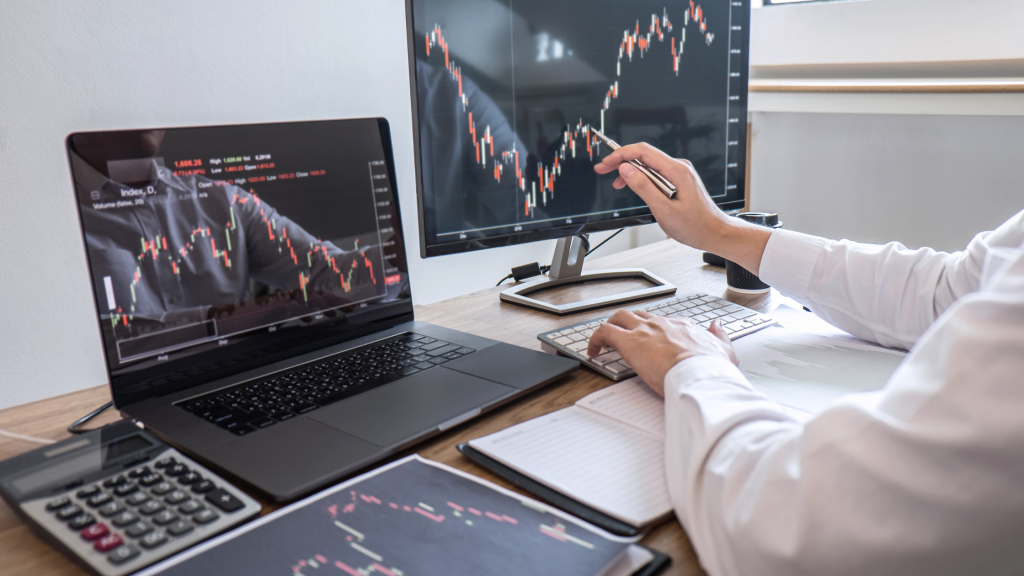
Getting started in forex doesn’t have to be risky if you take the right steps from the beginning. These simple practices will help you avoid scams and build a solid foundation as a new trader:
1. Educate Yourself First
Use free resources (like Babypips.com) or YouTube tutorials from reputable educators, not TikTok traders promising fast profits.
2. Start With a Demo Account
Most legitimate platforms offer free demo accounts to practice without risking real money. Use them to learn how charts, leverage, and order types work.
3. Check the Broker’s Regulatory Status
Look for licensing from authorities like:
- FINRA or CFTC (U.S.)
- FCA (UK)
- ASIC (Australia)
- CySEC (Europe)
You can verify this via the broker’s website or with third-party tools like Social Catfish.
4. Avoid Third-Party “Traders”
Never give your login info or funds to someone claiming they’ll trade on your behalf. True forex trading requires personal control and transparent platforms.
5. Use Two-Factor Authentication
Secure your account with 2FA and never reuse passwords from other sites.
How Social Catfish Can Help You Stay Safe
Social Catfish isn’t just for dating scams; it’s a powerful tool for verifying identities, financial offers, and platforms before you trust them.
Here’s how it protects forex beginners:
- Reverse Image Search: Run a check on a “forex mentor” or broker using their profile photo. Many scammers reuse stolen images from influencers or stock libraries.
- Email/Phone Verification: Check the contact details of a broker, app support agent, or trading guru to see if they’ve been flagged elsewhere.
- Username & Platform Lookup: Find out if that Telegram or WhatsApp trader is linked to past scams.
Professional Investigations: If you’ve already lost money or suspect fraud, our investigative team can help trace digital footprints and offer recovery guidance.
When money is involved, never assume. Always verify.
FAQs: Forex Trading and Scam Awareness
Q: Is forex trading legit or a scam?
Forex trading is legitimate, but like any market, it’s filled with fake platforms and people. Stick to licensed brokers and stay cautious.
Q: Can I make money from forex as a beginner?
Yes, but expect a learning curve. Avoid promises of quick profits and start small.
Q: How do I know if a forex app is real?
Check for reviews, regulatory info, and support contact. Use Social Catfish to verify images, names, or emails linked to the app.
Q: What do I do if I’ve already sent money to a scammer?
Stop contact immediately, report the scam, and run the individual or platform through Social Catfish. You can also contact your bank or payment processor.
Final Thoughts
Forex trading can be a rewarding skill that opens the door to financial independence, flexibility, and long-term growth, but only when approached with caution, patience, and the right tools. For beginners, the real danger isn’t the volatility of the market itself; it’s the presence of fake traders, shady platforms, and offers that seem too good to be true.
The path to becoming a confident trader starts with education, not shortcuts. Take your time, test strategies with demo accounts, and use only platforms that are properly regulated and reviewed. And when in doubt, verify, because in forex, trust should never be assumed.
Tools like Social Catfish empower you to protect your identity, validate claims, and avoid the emotional and financial fallout of scams. When you combine smart habits with the right support, you don’t just trade, you trade with control.
Learn first. Verify always. Trade smart.