
 Multiple Faces Detected



 November 29th, 2021
Forex trading can be a fantastic way to make money online. On the other hand, Forex scams are a growing epidemic costing investors and traders their hard-earned money. Forex scammers use various techniques to get you into their trade and then keep you, thereby offering attractive-looking trades with small losses.
Forex scams are tricky for many people to avoid because they don’t know what they look like or how they work. The best defense is education, so be sure to check out this blog post about forex scams before you invest your money.
[aesop_image img=”https://wp.socialcatfish.cloud/scamfish/wp-content/uploads/2021/11/pexels-alphatradezone-5833799.jpg” panorama=”off” align=”center” lightbox=”on” captionsrc=”custom” captionposition=”left” revealfx=”off” overlay_revealfx=”off”]What Is Forex?
Forex is the short term for Foreign Exchange. Forex is a market where banks, individuals, and foreign countries trade currencies. It allows you to exchange one currency for another, allowing businesses the opportunity of trading or buying abroad at better rates than your native bank can offer. Forex is a decentralized market because investors communicate and display bid/ask prices in real-time using various digital devices. Traders can make deposits using cash, credit cards, wire transfers, and other methods depending on what currency they wish to trade with and which Forex broker they choose.
Forex is the biggest market in the world, with a turnover of $5.1 trillion per day. One reason it has become such a popular trading option is that it allows you to open an account for little investment, and some brokers offer free practice accounts enabling you to test your strategies. Forex is available to trade 24 hours a day, five days per week. Results are published daily, allowing you to compare your performance with other Forex traders worldwide. This dynamic market has made Forex extremely popular, allowing investors to be part of an ever-changing marketplace.
How To Recognize Signs That You Are Dealing With a Forex Scammer
[aesop_image img=”https://wp.socialcatfish.cloud/scamfish/wp-content/uploads/2021/11/pexels-anna-nekrashevich-6801874-1.jpg” panorama=”off” align=”center” lightbox=”on” captionsrc=”custom” captionposition=”left” revealfx=”off” overlay_revealfx=”off”]Spotting Forex Scams
Forex trading is a great way to make money, but scammers can be very convincing. Here are some tips on how you can recognize Forex scams:
- The Signal-Seller Scam: Forex scammers make a lot of promises, but the biggest promise Forex fraudsters make is that they have access to secret trading signals. They will claim these signals are capable of generating large Forex profits and lure you into Forex trading.
- Forecasts: Forex scammers will often try to use charts and graphs as a way of convincing you that they have the secret trading formula. Forex scammers will also try to convince you that they can predict the future.
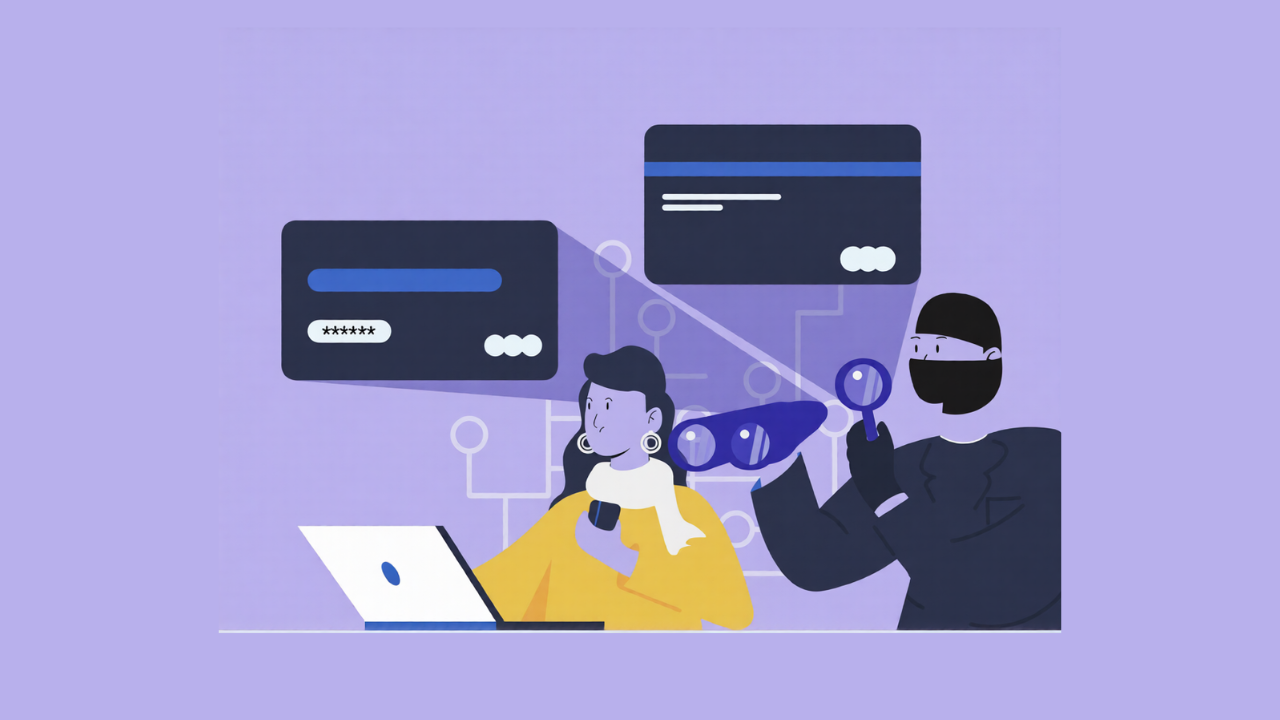
- Asking access to your account: Forex scammers will convince you that they need access to your trading account as part of the Forex training process, but this is never necessary. Don’t give them key information about yourself.
- Show credentials: Forex scams may try to use certificates to look legitimate. Scammers claim they worked with investment banks even though their claims are untrue, so check out any credentials thoroughly before committing money to finance online. This is known as a phishing scam.
- Unrealistic profits: Forex scams frequently offer unrealistically high returns on your initial investment. Any firm that advertises get-rich-quick investment prospects is almost certainly a scam.
- Verify business registration location/jurisdiction: Forex scams are anywhere in the world, and it is essential to know where your Forex broker is located. Different countries have different regulations for Forex trading, and scammers will skirt around these rules by basing their business in a country with lax regulations.
- Check if they’ve been disciplined: Search online for news that might indicate whether the company you’re dealing with is facing penalties or other forms of discipline due to misconduct.
Forex Broker Scams
Forex brokers give traders access to trading platforms in order to make buys and sells. When trading in Forex markets, it is important to make sure your broker is who they say they are. This is because brokers typically have access to a lot of your personal information. This gives fraudulent brokers the opportunity to steal your identity and take the money that you wanted to trade and use it for personal gain. Outside of outright fraud, it is important to vet the broker you thinking of using because many of these brokers make money selling courses by positioning themselves as an expert. Running a reverse image search, a reverse name look, or reverse phone lookup, will allow you to either avoid a scam or have a deeper level of trust and confidence in your broker.
Conclusion
It can be hard to remember all of the red flags that could indicate if someone is trying to scam you when you’ve been in the Forex industry for a while. It’s easy to get complacent and assume there are no scammers out there anymore, but this couldn’t be further from the truth.
Whenever investing online, it is important to have all of the information available on the people you will be doing business with. Social Catfish is a people verification search engine that allows you to search anyone using just a name, image, email, or phone number. We give you access to all of the public information on someone to help you make the best decisions for your investment.