
 Multiple Faces Detected


 May 8th, 2025
A decade ago, the idea of ordering restaurant meals from your phone and tracking them in real time felt unreal. But as apps like DoorDash, Uber Eats, and Postmates have become part of daily life, scammers have followed closely behind.
DoorDash scams often appear as fake texts, emails, or calls that look completely legit, sometimes even using your real order details. The goal is to trick you into handing over your login or payment information.
In this blog, we’ll discuss the newest DoorDash scams, how they actually work, and the smartest ways to avoid them.
The Rise of DoorDash Scams
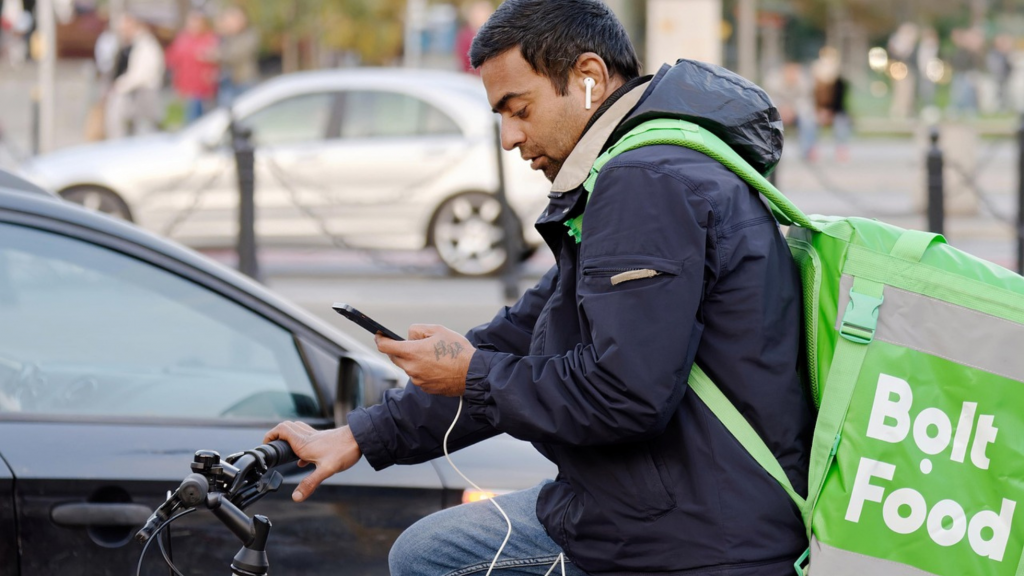
DoorDash has become one of the most-used food delivery apps in the U.S., with millions of orders placed every day. That popularity makes it a top target for scammers looking to exploit a large number of users quickly.
In January 2025, DoorDash was among the top brands impersonated in SMS scams. DoorDash scams can lead to stolen logins, drained bank accounts, and unauthorized charges. Some are so convincing that victims don’t realize what happened until their money is gone.
What are the Latest DoorDash Scams?
Scammers are targeting DoorDash customers and drivers with fake support calls, phishing emails, and fake restaurant listings. In this section, we detail the most common DoorDash scams and how they work:
Fake Customer Support Calls
Scammers pose as DoorDash customer support representatives and claim there’s an issue with your account or a recent order. They may ask you to confirm personal information like your credit card number, email, or password. Sometimes, they’ll ask for a verification code sent to your phone.
The scammer either calls or sends a message, appearing legitimate by using a spoofed DoorDash number or website. Once you provide sensitive information, the scammer can access your account and steal your funds, sometimes even using it in broader cases of identity theft.
Phishing Texts and Emails
Phishing scams typically involve fake text messages or emails designed to trick you into revealing login details, credit card numbers, or other sensitive information.
These scams often include urgent-sounding messages, such as “Account Suspended” or “Claim Your Refund”.
Such texts include a link to a fraudulent website that looks similar to DoorDash but is set up to steal your information. It’s critical to recognize what a fake website looks like before entering any credentials.
Fake Restaurants on DoorDash
With the rise of ghost kitchens (virtual kitchens), scammers have begun listing fake restaurants on DoorDash.
These fake listings often use names similar to those of well-known restaurants to confuse customers. For example, a scammer might use a name like “Blowfish Sushi” and falsely claim an affiliation with a famous restaurant, tricking people into placing orders.
The fake restaurants often serve low-quality food or have nonexistent menu items. Customers place an order only to realize the restaurant doesn’t exist. Their payment details are then stolen, and the scammer vanishes.
DoorDash Verification Code Scam
This scam targets DoorDash drivers (Dashers). Scammers impersonate DoorDash support, claiming there is an issue with their recent payment. To resolve it, they ask Dashers to verify their account by sharing a verification code or login credentials.
The scammer texts you your DoorDash account login details or verification code. Once the scammer has this information, they can access your account and change the payment settings, rerouting your earnings to their own account.
Stolen Accounts
Scammers steal user accounts by using weak passwords, credential stuffing (where stolen passwords from other sites are tried), or phishing.
Once they gain access, they can change account details and steal your stored payment methods, a common setup in credit card fraud schemes that target unsuspecting users.
DoorDash Reactivation Hacker Scam
Scammers prey on drivers (Dashers) whose accounts have been deactivated. They claim they can reactivate the account for a fee, tricking desperate Dashers into handing over money or sensitive information.
Once they convince Dashers to pay a reactivation fee, the money is usually sent through irreversible methods like wire transfers or payment apps.
After payment, the scammer either disappears or uses the information for further fraud.
Customers Scamming DoorDash for Free Food
This scam involves customers falsely claiming that their order was wrong, missing, or late in order to get a refund or free food. The rise of these “hacks” on social media platforms like TikTok has encouraged some users to take advantage of the system.
DoorDash Insurance Scams
Scammers target potential and current DoorDash drivers (Dashers) by offering fake insurance coverage for their delivery jobs. These insurance frauds promise protection in the event of an accident, but the coverage is often either nonexistent or inadequate.
The scammer sells fake or overpriced insurance to Dashers, leaving them without coverage if something goes wrong. Sometimes, they claim that DoorDash requires additional insurance outside of what the company provides.
How to Spot a DoorDash Scam?
Keep an eye out and follow these tips to avoid falling for DoorDash scams:
- Make sure emails and texts come from “@doordash.com.” Scammers often use similar names to trick you.
- Hover over links to see if they take you to the official DoorDash website or just to the app.
- Use two-factor authentication.
- DoorDash will never ask for your personal details or verification codes through text, email, or phone.
- If something seems off, let DoorDash know right away.
- If an email, SMS, or call seems suspicious, use Social Catfish’s reverse lookup tool to determine whether it’s really a DoorDash representative contacting you or a scam.
Who Is at Risk of DoorDash Scams?
Anyone using DoorDash is a potential target. Scammers are looking for any chance to slip past your guard, whether you’re ordering food or delivering it. Here’s who’s most at risk and why:
Every day DoorDash Customers
If you’ve ever ordered from DoorDash, scammers may target you. They send fake messages that look like real order updates, hoping you’ll click without thinking. Frequent users are at higher risk because they’re used to quick notifications and may not spot a fake right away.
New and Infrequent Users
New users might not know what real DoorDash messages look like, so they’re more likely to fall for fakes. Infrequent users may not remember how the app works and can be caught off guard. Scammers take advantage of that confusion to trick people into clicking links or sharing personal info.
DoorDash Drivers (Dashers)
Scammers also target drivers. They send fake texts or emails saying there’s a problem with the driver’s account or a payment issue that needs fixing. These messages look real and try to get Dashers to share their login or bank account information.
From 2020 to 2023, one scammer stole $950,000 from over 700 Dashers by pretending to be DoorDash support. He used fake orders to get driver info, then tricked them into handing over access.
Final Word
DoorDash scams hit hard, especially for drivers who rely on food delivery to earn a living.
If you’re concerned about a potential DoorDash scam or have already been targeted, Social Catfish’s search specialists can provide real value by offering in-depth investigations. Our expert investigators can help you verify the legitimacy of contacts and identify fraudulent behavior.
Here’s a testimonial from one of our valued customers:
“I contacted from Spain and ERIN answered everything very quickly and in such a empathetic way that I was really pleased” – Angelika Neitzke