 Multiple Faces Detected



 August 14th, 2025
Your personal information is everywhere online. And scammers know precisely how to find it.
Data scraping has become one of the most dangerous tools in a cybercriminal’s arsenal. This automated process extracts massive amounts of public information from websites, social media platforms, and online databases. What starts as innocent-looking data collection quickly transforms into targeted scam campaigns that can devastate victims financially and emotionally.
The numbers tell a sobering story. According to recent reports, consumers lost more than $12.5 billion to fraud in 2024, representing a 25% increase from the previous year. Much of this success stems from scammers’ ability to gather detailed personal information through data scraping techniques.
What Is Data Scraping?

Data scraping is the automated process of extracting data from a website and exporting it in a structured format. Think of it as a digital vacuum cleaner that sucks up information from web pages at lightning speed.
The process works as follows: automated programs, known as “bots,” visit websites and collect specific types of information. They can grab names, email addresses, phone numbers, photos, job titles, and even personal details from social media profiles. This data gets organized into databases that scammers can search and filter.
While data scraping has legitimate uses, such as price comparison websites gathering product information, criminals have weaponized this technology. They target public records, social media platforms, professional networking sites, and even data broker services to build comprehensive victim profiles.
The scary part? Most of this information is completely legal to collect because it’s publicly available.
How Scammers Harvest Your Information
Scammers don’t just randomly pick targets. They use sophisticated data scraping methods to identify the most vulnerable victims.
Social Media Mining
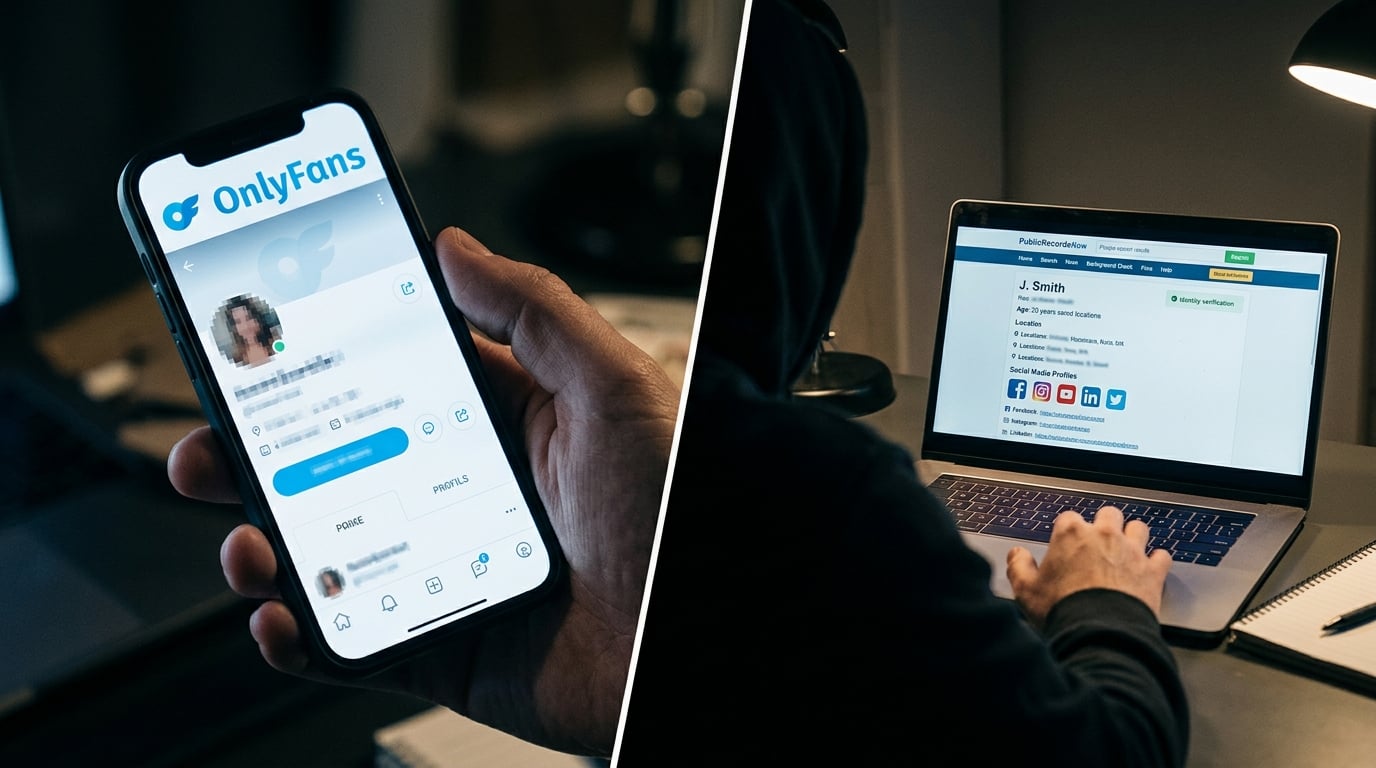
Your Facebook, Instagram, LinkedIn, and Twitter profiles are goldmines for scammers. They scrape photos, relationship status, work history, and personal interests. That vacation photo you posted? It tells them when you’re away from home. Your job update? It reveals your income level.
Public Records Exploitation
Court records, property deeds, voter registrations, and business licenses are all public information. Scammers scrape these databases to obtain addresses, ages, family members’ information, and financial details. The recent National Public Data breach exposed 2.9 billion records, including Social Security numbers and addresses.
Professional Network Harvesting
LinkedIn profiles provide detailed career information, company connections, and professional relationships. Scammers use this data to craft convincing business email compromise schemes or fake job offers.
Data Broker Aggregation
Companies legally collect and sell personal information. Scammers purchase these databases or scrape data from data broker websites to access compiled profiles containing information ranging from shopping habits to medical conditions.
The sophistication is staggering. Modern scraping tools can process millions of records in hours, creating detailed victim profiles that would have taken months to compile manually.
Common Scam Tactics Using Scraped Data
Armed with your personal information, scammers craft incredibly convincing attacks. Here’s how they use scraped data to manipulate victims:
Personalized Phishing Attacks
Generic “Dear Customer” emails are dead. Today’s scammers use your real name, employer, and recent activities to create believable messages. They might reference your recent job change or mention your hometown to build trust.
Romance Scam Targeting
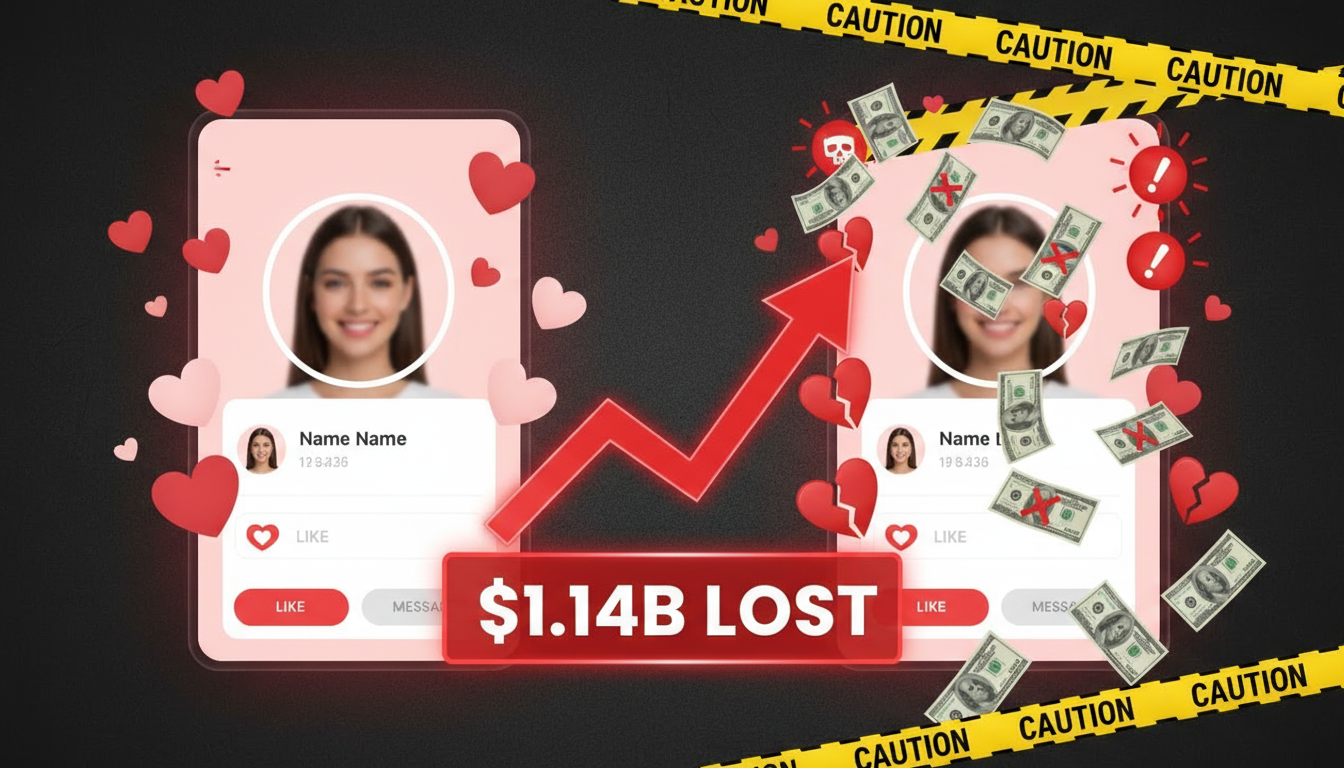
Scammers analyze social media profiles to identify lonely or recently divorced individuals. They create fake profiles using stolen photos and craft personalities that match your interests. If you love hiking, they suddenly become outdoor enthusiasts too.
Investment Fraud Schemes
Professional information helps scammers identify high-income targets for investment scams. They reference your industry knowledge and use financial terminology that resonates with your background.
Family Emergency Scams
By scraping family connections from social media, scammers can impersonate relatives in crisis. They know your grandchild’s name, where they attend school, and about recent family events.
Identity Theft Operations
Comprehensive data profiles enable full identity theft. Scammers use scraped information to answer security questions, apply for credit, or convince customer service representatives they’re you.
The Global Anti-Scam Alliance reports that over $1.03 trillion was lost to scammers in 2024, with a significant portion of this success attributed to increasingly personalized attack methods.
Warning Signs Your Data Has Been Scraped
Recognizing when your information has been compromised can help you take protective action quickly.
Unexpected Contact Attempts
Receiving calls, emails, or messages from unknown sources that reference specific personal details is a red flag. If someone knows your pet’s name or recent vacation destination without you sharing it, your data may have been scraped.
Targeted Advertising Changes
Sudden shifts in the types of ads you see online might indicate data harvesting. If you start seeing ads for services you’ve never searched for but recently discussed privately, your information may be circulating.
Suspicious Account Activity
Unauthorized login attempts, password reset requests, or new account notifications suggest someone has your personal information and is trying to access your accounts.
Increased Spam and Scam Attempts
A sudden surge in phishing emails, robocalls, or text message scams often follows data scraping incidents. Scammers share and sell victim lists, leading to multiple attack attempts.
Social Media Friend Requests
Fake profiles sending friend requests that seem to know mutual connections or personal details may be using scraped information to appear legitimate.
If you notice these warning signs, it’s crucial to take immediate protective action and consider using reverse image search tools to verify suspicious profiles or communications.
Protecting Yourself from Data Scraping
While you can’t completely prevent data scraping, you can significantly reduce your exposure and make yourself a less attractive target.
Audit Your Online Presence
Regularly review your social media profiles and adjust privacy settings. Limit public visibility of personal information like phone numbers, addresses, and family details. Consider what information you really need to share publicly.
Use Professional Search Services
Services like Social Catfish’s search specialists can help you understand what information about you is publicly available online and guide you through removal processes.
Monitor Your Digital Footprint
Set up Google alerts for your name and personal information. This helps you discover when your data appears on new websites or in data breaches. Understanding what is a data breach can help you respond appropriately.
Secure Your Personal Cloud Storage
Follow best practices for data privacy when using cloud services. Ensure your personal files aren’t accidentally made public.
Be Cautious About Information Sharing
Think twice before sharing personal details online. That innocent quiz asking for your first pet’s name might be harvesting answers to security questions. Understand the risks of sharing personal information online.
Implement Strong Privacy Practices
Learn about online privacy and data protection strategies. Use strong, unique passwords and enable two-factor authentication on all accounts.
What to Do If You’ve Been Targeted
If you suspect scammers have used scraped data to target you, quick action can minimize damage.
Document Everything
Save screenshots of suspicious messages, emails, or calls. Record phone numbers, email addresses, and any personal information the scammer referenced. This evidence helps authorities track patterns and may assist in prosecution.
Report the Incident
File reports with the Federal Trade Commission, the FBI’s Internet Crime Complaint Center, and your local police. Even if individual losses seem small, reporting helps authorities identify larger criminal operations.
Secure Your Accounts
Change passwords on all important accounts, especially if the scammer demonstrated knowledge of your login information. Enable additional security measures like two-factor authentication.
Monitor Your Credit
Place fraud alerts on your credit reports and monitor for unauthorized accounts or inquiries. Consider freezing your credit if you suspect identity theft.
Educate Your Network
Warn family and friends if scammers are using your information to target them. Share details about the scam tactics so others can recognize similar attempts.
Understanding data breach prevention tips can help you respond more effectively to these situations.
The Future of Data Scraping and Scams

The threat landscape continues evolving as technology advances. Artificial intelligence now enables scammers to create more convincing fake profiles and personalized messages at scale.
AI-Enhanced Scraping
Machine learning algorithms can now analyze scraped data to predict victim behavior and identify the most effective manipulation tactics. This makes scams increasingly sophisticated and harder to detect.
Deepfake Technology
Scammers combine scraped photos with deepfake technology to create convincing video calls or voice messages. This makes romance scams and family emergency scams particularly dangerous.
Cross-Platform Data Correlation
Advanced scraping operations now combine information from multiple sources to create complete victim profiles. This includes correlating social media activity with public records and purchase history.
Regulatory Response
Governments are implementing stronger data protection laws, but enforcement remains challenging. The global nature of data scraping makes it difficult to prosecute criminals operating across borders.
Staying informed about Social Security data breaches and other emerging threats helps you adapt your protection strategies.
Taking Control of Your Digital Safety
Data scraping isn’t going away. But understanding how scammers use this technology empowers you to protect yourself more effectively.
The key is striking a balance between online participation and privacy protection. You don’t have to become a digital hermit, but you should be intentional about what information you share and with whom.
Start by auditing your current online presence. Review social media privacy settings, Google your name to see what’s publicly available, and consider which personal details you really need to share online.
Remember that protecting your online personal data is an ongoing process, not a one-time task. Scammers constantly develop new techniques, so staying informed and vigilant is your best defense.
Your personal information has value – to you and criminals. By understanding how data scraping works and taking proactive steps to protect yourself, you can significantly reduce your risk of falling victim to scams.
The digital world offers incredible opportunities for connection and convenience. With the right knowledge and precautions, you can enjoy these benefits while keeping scammers at bay.