 Multiple Faces Detected


 February 17th, 2023
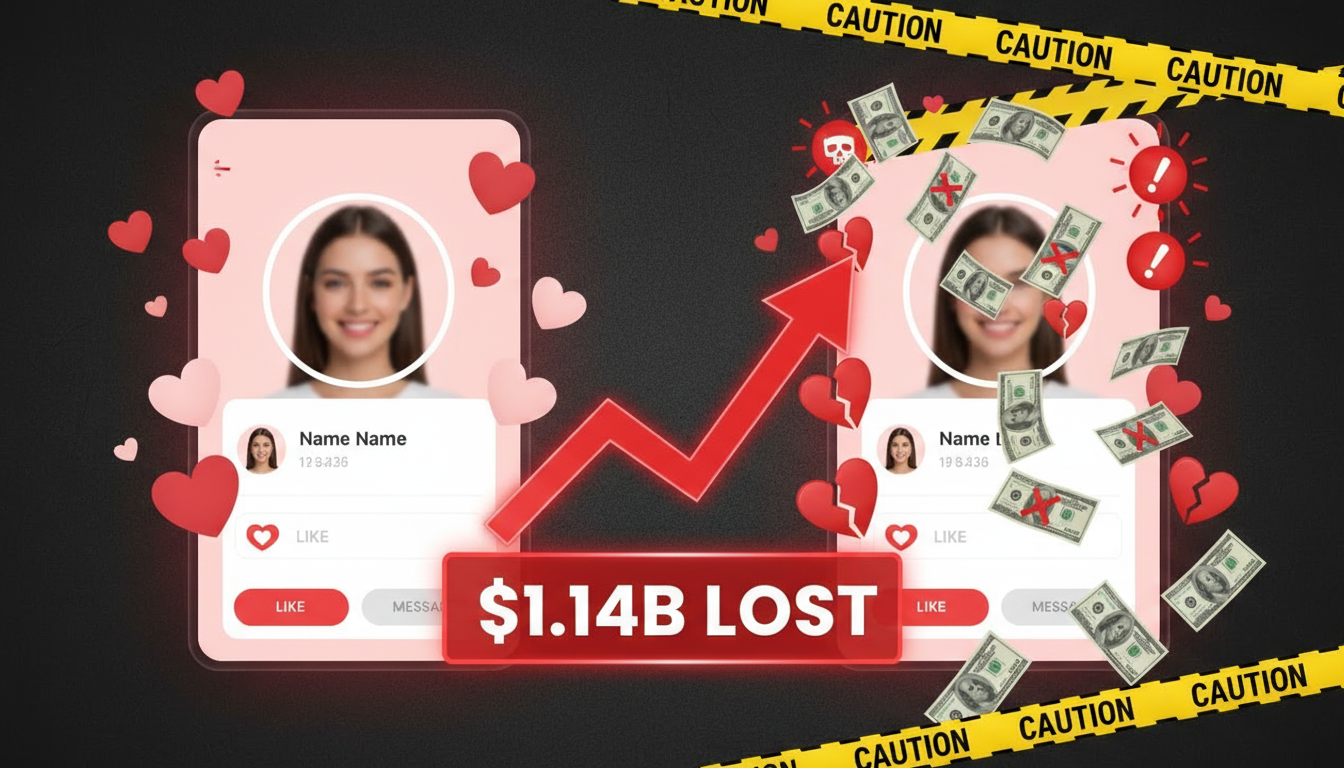
In today’s digital age, phishing scams have become an increasingly prevalent threat. Phishing scams are fraudulent attempts to obtain sensitive information, such as usernames, passwords, and credit card details, by disguising as a trustworthy entity in electronic communication. These scams can be carried out through email, text messages, social media, or even phone calls, and they can cause significant damage to both individuals and businesses. In this blog post, we will discuss how to spot and avoid phishing scams online, providing you with tips and best practices to protect yourself from falling victim to these malicious attacks.
How to Spot and Avoid Phishing Scams Online: How Can You Avoid Being The Victim of Phishing Scams?
There are several steps you can take to avoid being the victim of phishing scams:
- Be cautious of unsolicited emails, texts, or phone calls: Phishing scams often use unsolicited communication to try to gain your trust. If you receive a message or call from an unknown sender, be wary.
- Verify the source: Check the sender’s email address or phone number, and be sure that it is from a legitimate source. Also, be sure to check the website’s URL to ensure that it is authentic.
- Don’t click on suspicious links: Phishing scams often include links that direct you to a fake website that looks like a legitimate one. Always hover over the link before clicking on it to ensure it’s safe.
- Don’t share sensitive information: Never give out sensitive information such as your social security number, credit card details, or passwords in response to unsolicited communication.
- Use anti-phishing software: Anti-phishing software can help detect and prevent phishing scams. Make sure to keep your anti-virus and anti-malware software up-to-date.
- Educate yourself: Stay informed about the latest phishing scams and techniques, so you can recognize them when they occur.
How to Spot and Avoid Phishing Scams Online: What Signs Should You Look Out For to Spot Phishing Scams?

One of the most common signs of a phishing scam is a suspicious sender. Check the sender’s email address, phone number, or username to ensure that it is legitimate. If the sender’s name or address seems odd, do not open the message or click any links.
Phishing emails often contain language that creates a sense of urgency. For example, the email might claim that your account has been compromised and you must act quickly to prevent any damage. If you receive such an email, do not act in haste. Instead, take a moment to verify the legitimacy of the message.
Phishing scams often contain poor grammar and spelling mistakes. Legitimate businesses and organizations take pride in their communication, so be wary of messages that contain obvious errors.
Be cautious of any links in unsolicited emails. Phishing scams often include links that direct you to a fake website that looks like a legitimate one. Always hover over the link before clicking on it to ensure it’s safe.
Legitimate businesses and organizations will never ask for sensitive information such as passwords, social security numbers, or credit card details in an email or text message. If you receive a request for such information, do not respond.
Phishing emails often use generic salutations, such as “Dear Customer” instead of using your name. If the email is from a legitimate business or organization, they will likely address you by your name.
By being aware of these signs, you can better spot phishing scams and avoid becoming a victim. Remember, always err on the side of caution and verify the legitimacy of any message or request before sharing any sensitive information.
How to Spot and Avoid Phishing Scams Online: If I Suspect That I Have Received a Phishing Email, What Should I Do?
If you suspect that you have received a phishing email, here are some steps you should take:
- Do not reply to the email or click any links or download any attachments. This can help prevent any malware from being installed on your device.
- Most email clients have a feature that allows you to report spam or phishing emails. This can help prevent similar emails from being sent to others.
- If the phishing email claimed to be from a particular company or organization, log in to your account from a trusted source to check for any suspicious activity.
- If you think your account has been compromised, change your passwords immediately. Use a strong, unique password that is difficult to guess.
- If you received a phishing email that claimed to be from a particular company or organization, contact them to report the phishing attempt. They may also be able to provide guidance on how to protect your account.
- If you clicked on a link or downloaded an attachment from the phishing email, use anti-virus software to scan your device for any malware or viruses.
- Take the opportunity to learn more about phishing scams and how to spot them. This can help you better protect yourself in the future.
How to Spot and Avoid Phishing Scams Online: How to Protect Yourself Against Phishing Attacks

Make sure that your operating system, web browsers, and other software are up-to-date. Updates often include security patches that can help protect your device from new and emerging threats.
Two-factor authentication adds an extra layer of security to your accounts by requiring a code in addition to your password. This can help prevent unauthorized access to your accounts.
Use a password manager to generate strong, unique passwords for each of your accounts. This can help prevent hackers from accessing multiple accounts if they obtain one password.
How to Spot and Avoid Phishing Scams Online: Phishing Email Examples
Here are some examples of phishing emails:
“Your account has been compromised”
This type of phishing email claims that your account has been compromised and urges you to click on a link to resolve the issue. The link often leads to a fake login page where the attacker can steal your login credentials.
“You’ve won a prize!”
This type of phishing email claims that you have won a prize and asks you to click on a link or download an attachment to claim your prize. The link or attachment often contains malware or leads to a fake website that steals your personal information.
“Verify your account information”
This type of phishing email claims to be from a legitimate company or organization and asks you to verify your account information by clicking on a link and entering your login credentials or other personal information. The link often leads to a fake website that looks like the legitimate one.
“Urgent action required”
This type of phishing email creates a sense of urgency and claims that immediate action is required to prevent a negative consequence, such as account suspension or loss of service. The email may ask you to click on a link or download an attachment to resolve the issue, which could lead to a phishing attack or installation of malware.
“Charity donation request”
This type of phishing email claims to be from a reputable charity and asks for a donation. The email may contain a link to a fake donation page where the attacker can steal your credit card information.
How to Spot and Avoid Phishing Scams Online: Tools to Prevent Phishing Attacks

There are a number of tools that can help prevent phishing attacks. Here are some examples:
- Anti-phishing software: Anti-phishing software can help detect and block phishing emails and websites. It typically works by analyzing incoming emails and comparing them to a database of known phishing attacks.
- Web filters: Web filters can block access to known phishing websites and prevent users from accidentally clicking on malicious links.
- Two-factor authentication: Two-factor authentication can help prevent unauthorized access to accounts. By requiring a second form of authentication in addition to a password, two-factor authentication can make it more difficult for attackers to access accounts even if they obtain login credentials.
- Email filters: Email filters can help detect and block phishing emails. They work by analyzing incoming emails and using rules to identify suspicious messages.
- Employee training: Employee training can help raise awareness of phishing attacks and provide employees with the tools and knowledge they need to recognize and avoid them.
- Multi-factor authentication: Multi-factor authentication adds additional layers of security to accounts beyond two-factor authentication. This can include biometric authentication or hardware security keys, making it even more difficult for attackers to gain access to sensitive information.
For more information on how to avoid phishing scams click here.