 Multiple Faces Detected



 June 16th, 2024
Welcome to my blog, fellow adults! Today, we’re going to dive into the world of online dating scams and the patterns that can help us spot them. Now, I know what you’re thinking – “Why would I want to read about something so serious and potentially heartbreaking?” Well, because we’re going to approach it with a little bit of humor. Trust me, it’ll make the topic a lot more bearable.
The Rise of Online Dating Scams
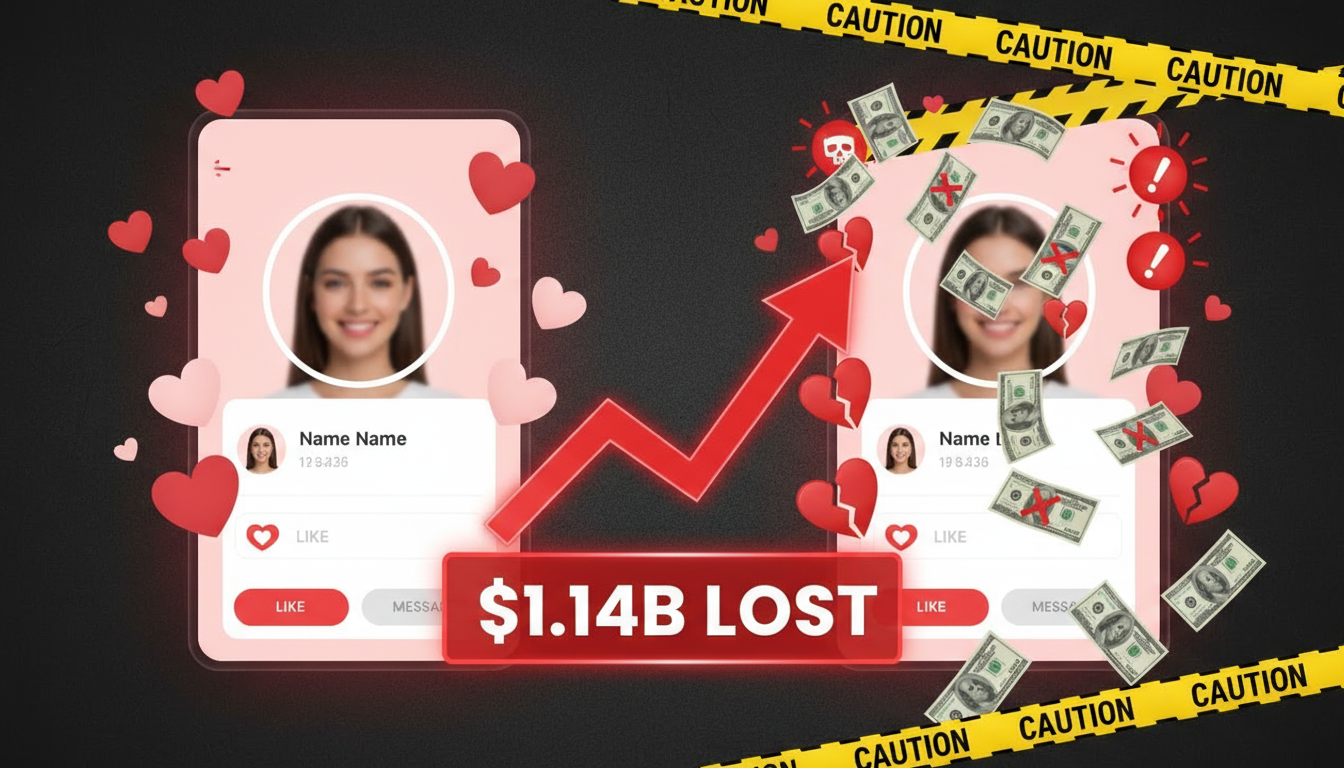
With the rise of technology and the increasing popularity of online dating, it’s no surprise that scammers have found a way to take advantage of vulnerable individuals looking for love. According to the Federal Trade Commission, reports of romance scams have tripled in the last decade, with victims losing a total of $201 million in 2019 alone. That’s a lot of money and a lot of broken hearts.
The “Perfect” Profile
One of the first things scammers do is create a fake profile that seems too good to be true. And let’s be real, it usually is. They’ll use photos of attractive individuals, often stolen from other social media accounts, and create a persona that is irresistible to their target audience. This could be someone who is wealthy, successful, and has all the qualities you’ve been looking for in a partner.
But here’s the catch – they’ll also make their profile seem too good to be true. They’ll have a high-paying job, a luxurious lifestyle, and a perfect family. Basically, they’ll check off all the boxes on your dream partner list. But remember, no one is perfect. So if their profile seems too good to be true, it probably is.
The “Too Good to Be True” Conversations
Once the scammer has caught your attention with their perfect profile, they’ll start messaging you. And this is where things can get a little suspicious. They’ll often use overly romantic language and shower you with compliments. They’ll also try to move the conversation off the dating platform and onto a more private messaging app or email. This is a red flag, as scammers don’t want to leave a trail on the dating site.
Another common tactic is to quickly declare their love for you and start talking about a future together. They may even mention marriage or wanting to meet in person. This is all part of their plan to gain your trust and manipulate you into sending them money.
The “Inconsistent Details” Trap
One of the subtler yet telling signs of an online dating scam is inconsistent details in the scammer’s story. Scammers often create elaborate backstories to seem more believable, but because they handle multiple victims, they can slip up on the details. They might tell you one day that they’re from a specific city, but later mention details that don’t add up with their supposed location. They may also have discrepancies in their personal history, such as the names of family members, job details, or past experiences. It’s essential to pay attention to these inconsistencies as they can reveal the fraudulent nature of their profile.
To spot these inconsistencies, keep track of the details they share and cross-reference them over time. Ask questions that would require them to recall previous conversations. For instance, if they mentioned a particular city they grew up in, casually bring it up later in a different context to see if their story aligns. Keeping a record of your conversations can help you notice these red flags and avoid falling deeper into the scammer’s trap.
The “Emergency” Situation
Now, this is where things can get really ridiculous. Scammers will often come up with elaborate stories to get you to send them money. They may claim to have a sudden medical emergency, a family member in need, or even be stuck in a foreign country and need money to get home. They’ll do whatever it takes to tug at your heartstrings and convince you to send them money.
But here’s the thing – if someone you just met online is asking you for money, it’s most likely a scam. No matter how convincing their story may be, do not send them any money. And if you’re feeling generous, donate to a legitimate charity instead.
The Use of Emotional Blackmail
Emotional blackmail is a common tactic used by scammers to manipulate their victims into complying with their requests. This can range from making you feel guilty for not helping them in a supposed emergency to leveraging your feelings for them by claiming that their love for you makes them vulnerable. They might say things like, “I thought you loved me,” or “You’re the only one who can help me,” to pressure you into sending money or personal information. This tactic is designed to exploit your emotions and bypass your logical thinking.
Protecting yourself from emotional blackmail involves setting clear boundaries and recognizing manipulation tactics. It’s crucial to maintain a level of skepticism and prioritize your own well-being. Remember, a legitimate partner would respect your boundaries and would not pressure you into making decisions that make you uncomfortable. If you find yourself being emotionally manipulated, take a step back, assess the situation objectively, and seek advice from friends or family before making any decisions. Sharing your concerns with trusted individuals can provide clarity and support, helping you to make informed decisions.
The “Catfish” Scam
Now, we’ve all heard of the term “catfish” thanks to the popular MTV show. But in the world of online dating scams, a catfish is someone who creates a fake profile and pretends to be someone else. This could be a completely made-up persona or someone using stolen photos and information from a real person.
Catfish scammers will often use the same tactics as other online dating scammers, but they may also try to manipulate you into sending them explicit photos or videos. They’ll use these as blackmail to get money from you. So if someone you’ve never met in person is asking for intimate photos or videos, it’s most likely a catfish scam.
Protecting Yourself from Online Dating Scams
Now that we’ve had a good laugh at the ridiculousness of online dating scams, let’s talk about how to protect ourselves from falling victim to them. The most important thing is to always trust your gut. If something seems off or too good to be true, it probably is.
Here are a few other tips to keep in mind:
- Do your research – Google the person’s name and photos to see if they come up on any scammer databases.
- Never send money to someone you’ve never met in person.
- Don’t share personal or financial information with someone you’ve just met online.
- Meet in person before getting too invested in the relationship.
- Report any suspicious activity to the dating site or app.
Conclusion
Online dating scams may not be a laughing matter for those who have fallen victim to them, but it’s important to approach the topic with a little bit of humor. By understanding the patterns and tactics used by scammers, we can better protect ourselves and our hearts. So next time you come across a “perfect” profile or a suspicious conversation, remember to trust your gut and stay safe out there in the world of online dating.
Thanks for reading, and until next time, happy swiping!