
 Multiple Faces Detected



 April 6th, 2026
Facebook is the most used social media platform on earth and one of the most actively targeted by scammers. With nearly 3 billion users and a built-in culture of connection and trust, it offers scammers an enormous pool of potential victims and a platform that is difficult to moderate at scale.
Facebook scams range from simple phishing links to sophisticated months-long romance operations. What they share is a consistent goal: access to your money, your personal information, or both. Understanding how each scam works is the most effective protection against it.
This guide covers every major Facebook scam type with enough detail to recognize them before they reach you, plus how to identify scammer profiles, what to do if you’ve been targeted, and how to verify anyone you’re suspicious of. If you want to check someone on Facebook right now, Social Catfish can verify their identity using a name, photo, phone number, or email in seconds.
Common Facebook Scams: Full List
Here is every major scam type currently active on Facebook, with enough detail to recognize each one before it reaches you.
1. Facebook Romance Scams
Romance scams are the most financially devastating scam type on Facebook and the hardest to recognize because they are built on genuine emotional investment.
How it works: A scammer creates a fake profile using stolen photos, typically attractive, professional, and successful-looking. They make contact, often through friend requests or group interactions, and begin building a relationship over weeks or months. Daily messages, apparent emotional depth, shared interests. Once trust is established, a crisis emerges: a medical emergency, a business deal gone wrong, a problem getting money out of the country, and they ask for financial help.
Warning signs:
- Profile was created recently with a limited post history
- Photos look professionally shot rather than personal snapshots
- They are always abroad, deployed, or otherwise unavailable to meet
- They escalate emotional intimacy unusually quickly
- Any financial request, regardless of how it is framed
What to do: Run their profile photo through Social Catfish immediately. Romance scammers use stolen photos. If the image appears under a different name anywhere online, the profile is fake. Never send money to someone you have not met in person.
2. Facebook Marketplace Scams
Facebook Marketplace has become one of the most actively targeted platforms for purchase scams, particularly for high-demand items like electronics, vehicles, and event tickets.
How it works: A seller posts an item at an attractive price. Once you express interest, they request payment via wire transfer, gift card, cryptocurrency, or Zelle methods with no buyer protection. The item is never delivered, and the seller disappears. In vehicle scams, a fake seller requests a deposit before you can “view” a car that does not exist.
Buyer scams also exist: a buyer sends a fake payment confirmation, claims to have overpaid, and asks you to refund the difference before the original payment clears.
Warning signs:
- Price is significantly below market value
- Seller requests payment outside Facebook’s payment system
- Payment method has no buyer protection — gift cards, wire transfer, crypto
- They cannot meet in person or provide additional photos on request
- Overpayment story from a buyer
What to do: Only pay through Facebook’s built-in payment system or cash on collection. Never accept gift cards as payment. Verify the seller’s profile age and reviews before transacting.
3. Facebook Phishing Scams
Phishing scams on Facebook attempt to steal your login credentials or personal information by directing you to fake websites that mimic Facebook or other trusted services.
How it works: You receive a message often from a hacked friend’s account, containing a link. The link takes you to a page that looks exactly like Facebook, asking you to log in again. When you enter your credentials, they go directly to the scammer. Variations include fake copyright violation notices, fake account security alerts, and fake prize notifications, all designed to create urgency that overrides caution.
Warning signs:
- Message creates urgency: “Your account will be disabled,” “You’ve violated copyright.”
- Link URL does not say facebook.com check carefully for subtle misspellings
- You are asked to log in again despite already being logged in
- The message comes from a friend but the tone or phrasing seems off
What to do: Never click links in Facebook messages that ask you to log in again. Always navigate directly to facebook.com rather than following links. Enable two-factor authentication on your account.
4. Facebook Messenger Scams
Messenger scams exploit the trusted nature of direct messaging between people who are already connected. Because the message appears to come from a friend, the guard is typically lower.
How it works: A scammer hacks a friend’s Facebook account and uses it to send you messages. Common scripts include: “I’m in trouble and need you to buy me gift cards,” “I found a way to make easy money, check this out,” or links to investment platforms or surveys that steal information. The messages appear genuine because they come from a real person you know.
Warning signs:
- A friend messages you asking for gift cards, money, or to click a link
- The tone or writing style is noticeably different from how they normally communicate
- They ask you to keep the conversation private
- They cannot verify their identity on a voice or video call
What to do: If a friend messages you with an unusual request, call them directly on their phone before responding. Do not buy gift cards for anyone based on a Facebook message. Report hacked accounts to Facebook immediately.
5. Facebook Lottery and Sweepstakes Scams
These scams exploit the human desire for unexpected good fortune. They are among the easiest to recognize once you know the pattern.
How it works: You receive a notification or message claiming you have won a Facebook lottery, a celebrity giveaway, or a sweepstakes prize. To claim your winnings, you must pay a processing fee, provide your bank details, or verify your identity with personal information. There is no prize. The fee and information go directly to the scammer.
Warning signs:
- You did not enter any competition
- Claiming the prize requires upfront payment
- The message asks for bank details or government ID
- The “official” account has few followers, a recent creation date, or poor grammar
What to do: Facebook does not run lotteries. No legitimate prize requires an upfront payment to claim. Delete and report these messages.
6. Facebook Investment and Cryptocurrency Scams
Investment scams have grown significantly on Facebook, particularly cryptocurrency and forex trading schemes that use fake testimonials and fabricated results to lure victims.
How it works: You are contacted, or you see an ad promoting a trading platform or investment opportunity with unusually high returns. Sometimes a romantic interest introduces the investment as a way to “help you both” financially. You invest, see convincing fake gains on a dashboard, and invest more. When you try to withdraw, fees keep appearing, or the platform disappears entirely. This variant is sometimes called “pig butchering.”
Warning signs:
- Guaranteed returns — no legitimate investment guarantees profit
- Pressure to invest quickly before an “opportunity closes”
- The platform is not registered with any financial regulatory body
- Withdrawals require additional fees or “taxes”
- The person who introduced you becomes unavailable after you try to withdraw
What to do: Never invest through a platform introduced via Facebook without independent verification. Check the platform against your country’s financial regulator registry. Social Catfish can verify whether the person who introduced the investment is who they claim to be.
7. Facebook Inheritance and Advance Fee Scams
One of the oldest scam formats, still running effectively on Facebook because the platform provides easy access to new targets.
How it works: A stranger contacts you claiming to be a lawyer, banker, or government official with access to a large sum of unclaimed money. They need your help moving the funds, often framed as a deceased relative or an unclaimed inheritance, and offer you a share. To proceed, you must pay fees, taxes, or administrative costs. The costs keep growing, and the money never materializes.
Warning signs:
- Unsolicited message from a stranger about money you are owed
- The story involves large sums that need to be moved internationally
- Any request for fees before you receive anything
- Poor grammar or overly formal language that seems scripted
What to do: No legitimate inheritance or legal process begins with a cold message from a stranger on Facebook. Delete and report.
8. Facebook Quiz and Survey Scams
Harmless-looking personality quizzes and surveys are used to collect personal information that enables identity theft or account takeovers.
How it works: A quiz asks seemingly innocent questions, such as your mother’s maiden name, your first pet, and your childhood street, which happen to be common security question answers. Others request phone number or email “to send your results.” The data collected is used to reset passwords, answer security questions, or build targeted phishing profiles.
Warning signs:
- The quiz requests personal information beyond what the quiz requires
- It asks for your phone number or email to receive results
- Questions mirror common security question formats
What to do: Never complete Facebook quizzes that ask for personally identifying information. Be particularly cautious of quizzes that seem designed to surface security question answers.
How to Spot a Scammer on Facebook
Beyond recognizing individual scam types, these profile-level red flags apply across all Facebook scam operations.
The profile is new or thin. Most scam accounts were created recently, within the last few months, with limited post history, few friends, and no consistent life narrative. Real accounts accumulate years of mundane content: birthday posts, tagged photos, life events.
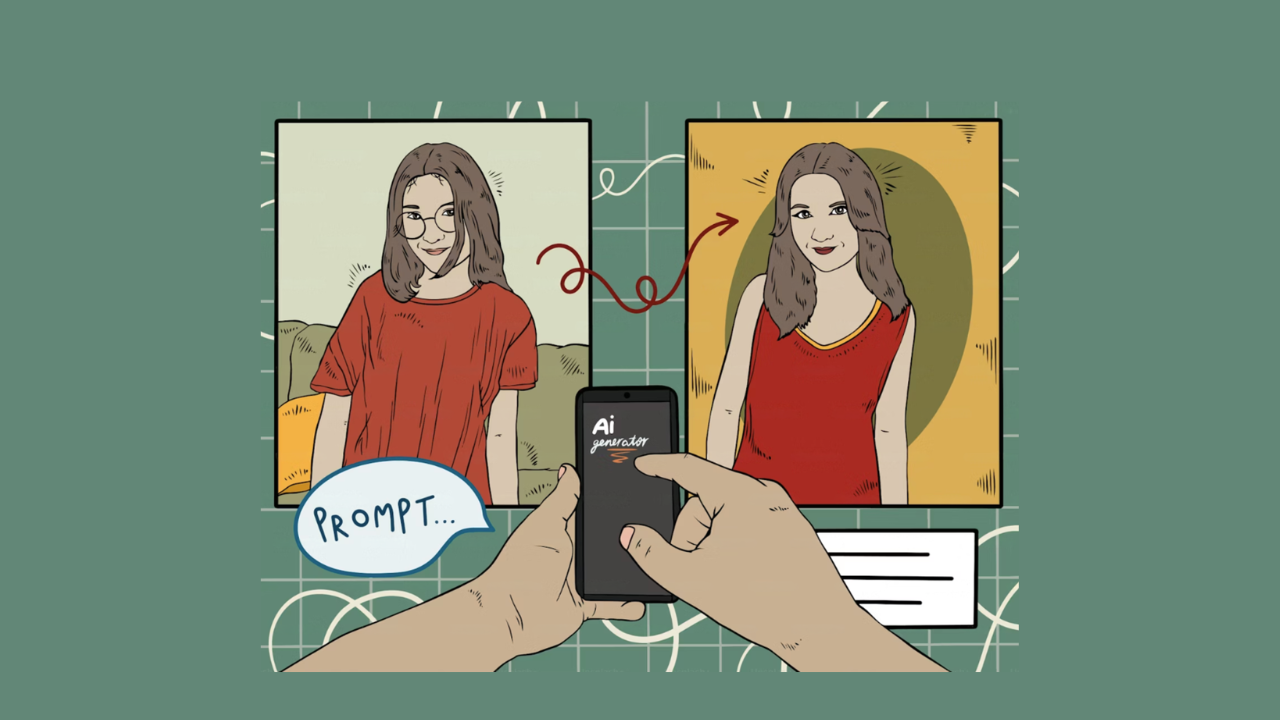
The photos are too good. Professional-quality photos, model-like appearance, and a limited number of images are signs that the photos were stolen from someone else. Run any suspicious profile photo through Social Catfish or Google Images. If it appears under a different name anywhere online, the profile is fake.
The story has convenient gaps. Always abroad. Military deployment. Offshore oil rig. International business travel. These cover stories explain why meeting in person is impossible and why video calls are difficult. They are the most common narrative framework for long-term scam operations.
They escalate unusually quickly. Whether romantically or financially, scammers move fast. Emotional intimacy that develops over days rather than months, investment opportunities that close tomorrow, prizes that expire tonight, urgency, and rapid escalation are consistent manipulation tactics.
They want to move off Facebook. Scammers routinely ask to move conversations to WhatsApp, Telegram, or email. This removes the platform’s reporting systems from the equation and makes the scammer harder to trace.
How to verify a suspicious Facebook profile: Go to socialcatfish.com, enter their name, phone number, or upload their profile photo. Social Catfish cross-references the information against public records, social media databases, and scammer reports, returning the real identity behind the profile, or confirming that the photos are stolen.
What to Do If You’ve Been Scammed on Facebook
Stop all contact immediately. Block the account and do not respond further, even to attempt recovery of money already sent.
Report the account to Facebook. Go to the profile, select the three dots, and choose Report. Provide as much detail as possible. Facebook investigates reports and removes confirmed scam accounts.
Contact your bank immediately. If money was transferred, call your bank within hours. Many banks can reverse recent transfers if contacted quickly. Explain that you were defrauded.
File a report with the FTC. In the US, report at reportfraud.ftc.gov. The FTC investigates fraud, and your report contributes to active cases against organized scam operations.
Report to the FBI if significant money was lost. File a complaint at ic3.gov, the FBI’s Internet Crime Complaint Center. This is particularly relevant for investment scams and romance scams involving large sums.
Run a background check on the scammer. If you shared personal information, use Social Catfish to identify who you were actually dealing with. This information can be useful for police reports and helps protect others.
Frequently Asked Questions
The most common are romance scams, Marketplace purchase scams, phishing through hacked accounts, Messenger scams using compromised friend accounts, lottery and sweepstakes scams, investment and cryptocurrency fraud, and advance fee inheritance scams.
Look for recently created profiles with few friends and limited post history, professionally shot photos with few personal images, cover stories involving military or overseas work, unusually rapid emotional or financial escalation, and requests to move the conversation off Facebook. Run their photo through Social Catfish to check whether it is stolen.
Go to the scammer’s profile, select the three dots menu, and choose Report. Provide screenshots and as much detail as possible. Also, report to the FTC at reportfraud.ftc.gov and to your bank if money was sent.
Yes, organized scam operations are regularly prosecuted, particularly in the US, UK, and EU. Reporting to the FTC and the FBI’s IC3 contributes to active investigations. Individual recovery of funds is harder, but more likely, the faster you act.
Run their profile photo through Social Catfish’s reverse image search. Check the account creation date and post history for consistency. Search their name and location on Social Catfish for a full identity cross-reference against public records and social media databases.
The Bottom Line
Facebook scams are sophisticated, common, and designed to exploit the trust that makes social media useful in the first place. The best protection is knowing the patterns before you encounter them and verifying anyone you are unsure about before the relationship or transaction develops further.
Most fake profiles and scam operations leave traces that are findable with the right tool. Social Catfish can verify any Facebook profile using a name, photo, phone number, or email, cross-referencing against public records, social media databases, and scammer reports to tell you whether the person you are dealing with is real.