 Multiple Faces Detected


 March 5th, 2023
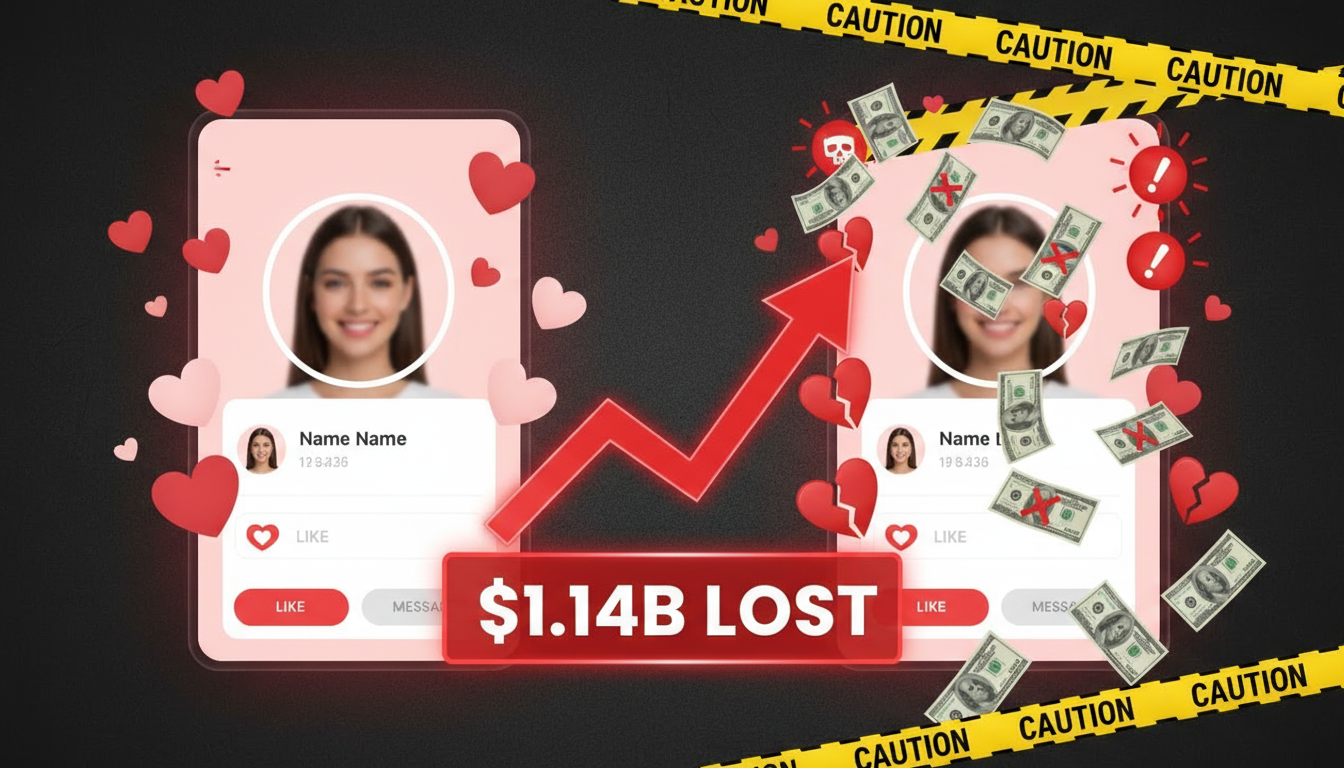
Online dating has become increasingly popular in recent years, and it can be a great way to meet new people and potentially find love. However, it’s important to be aware of the potential risks that come with online dating, including online dating scams. These scams can be incredibly sophisticated and convincing, leaving victims with not only a broken heart but also significant financial losses. In this blog post, we’ll discuss how to recognize and report online dating scams, so you can protect yourself and your finances while still enjoying the benefits of online dating.
How to Recognize and Report Online Dating Scams: What Percentage of Online Dating Profiles are Scams?
There is no exact percentage of online dating profiles that are scams, as the number can vary greatly depending on various factors such as the specific dating platform, geographic location, and the time period. However, studies have shown that a significant number of online dating profiles are fraudulent or fake, with estimates ranging from 10% to 30% of all profiles. It’s important to keep in mind that not all of these fake profiles are necessarily scams, as some may simply be created for trolling or other nefarious purposes. Nonetheless, it’s important to remain vigilant and take precautions when using online dating platforms to avoid falling victim to scams or other fraudulent activities.
How to Recognize and Report Online Dating Scams: How to Spot a Fake Profile
When it comes to online dating scams, scammers will often create fake profiles in order to trick their victims. Here are some signs that a profile may be fake or fraudulent:
- Lack of Detail: Scammers often don’t bother to create detailed profiles, so if a profile has very little information about the person or seems too good to be true, it may be a fake.
- Fake Photos: Scammers may use photos of models or other attractive people to create their fake profiles. If a profile has only one or two photos, or the photos seem too good to be true, it may be a fake.
- Too Eager or Too Generic: Scammers often use generic messages that they send to multiple people, or they may seem overly eager to start a relationship right away. Be wary of anyone who seems too eager or who doesn’t seem to be paying attention to the specifics of your profile.
- Inconsistent Information: Scammers may not be able to keep their stories straight, so be on the lookout for inconsistencies in their profiles or messages.
- Asking for Money: This is a huge red flag. Scammers may try to win your trust and then ask for money for a variety of reasons, such as medical emergencies, travel expenses, or other unexpected bills. Never send money to someone you’ve never met in person.
- Refusal to Meet In Person: If someone seems reluctant to meet in person or keeps coming up with excuses for why they can’t meet, it may be a sign that they’re not who they say they are.
How to Recognize and Report Online Dating Scams: Common Online Dating Scams and How They Work
Online dating scams can take many forms, but there are a few common tactics that scammers often use to trick their victims. Here are some of the most common types of online dating scams:
Catfishing
In this scam, a person creates a fake profile and pretends to be someone else. They may use photos of someone else or create a fictional persona. They will then use this fake identity to develop a relationship with their victim, often with the goal of getting money or personal information.
Romance Scams
This type of scam involves building a relationship with someone online and then asking for money. The scammer may claim to have a medical emergency, need money for travel expenses, or ask for money for other reasons. They will then disappear once they get the money.
Blackmail Scams
In this type of scam, a scammer will develop a relationship with someone online and then use personal information or embarrassing photos to blackmail their victim. They may threaten to release the information unless the victim sends them money.
Phishing Scams
Scammers may create fake dating websites or use fake profiles to trick people into giving them personal information. They may then use this information for identity theft or other fraudulent activities.
Webcam Scams
In this scam, the scammer will initiate a video chat with their victim and then record the conversation. They will then use the recording to blackmail their victim, threatening to release it unless they get money.
Money Laundering Scams
Scammers may use online dating websites to launder money. They will develop a relationship with someone online and then ask them to send money, claiming that the money is for business purposes. They will then use the money for illegal activities.
How to Recognize and Report Online Dating Scams: Tips and Best Practices
Protecting yourself from online dating scams is important, but it doesn’t have to be difficult. Stick to well-known dating sites that have a good reputation for safety and security. Research the website before signing up to make sure it has a good track record.
Avoid sharing sensitive information like your home address, social security number, or financial information. Keep your personal information private until you feel comfortable sharing it with someone.
Consider using a nickname or fake name when setting up your dating profile. This can help protect your identity until you’re ready to share your real name with someone.
Consider using a Google Voice number or other anonymous phone number when communicating with someone online. This can help protect your real phone number until you’re ready to share it with someone.
Scammers often use sob stories to gain their victim’s trust. If someone is constantly telling you about their financial or personal problems, this could be a sign of a scam.
Use online search engines or social media to do your own research on someone you’re talking to online. Look for inconsistencies in their story or any red flags that might indicate a scam.
Never send money to someone you’ve never met in person, no matter how convincing their story may be. Scammers often use fake emergencies or other tactics to get their victims to send money.
How to Recognize and Report Online Dating Scams: What to Do if You Suspect Fraudulent Activity
If you suspect that you’ve encountered a scammer on an online dating website, it’s important to report the activity to the appropriate authorities. Here’s what to do if you suspect fraudulent activity:
- Most reputable dating websites have a mechanism for reporting suspicious activity. Contact the website’s customer service department to report the scammer and provide as much information as possible.
- If you’ve been the victim of a scam or if you suspect that criminal activity is taking place, contact your local law enforcement agency. Be sure to provide any relevant information or evidence that you have.
- The Federal Trade Commission (FTC) is the government agency responsible for protecting consumers from fraud and deception. If you’ve been the victim of an online dating scam, you can file a complaint with the FTC at ftc.gov/complaint.
- If you’ve shared personal information with a scammer, it’s important to take steps to protect your identity. Consider changing your passwords, notifying your bank or credit card companies, and placing a fraud alert on your credit report.
- If you’ve encountered a scammer on an online dating website, it’s important to warn others to prevent them from becoming victims. Consider posting a warning on social media or contacting other users on the website to alert them to the scammer’s activities.