 Multiple Faces Detected


 January 20th, 2023
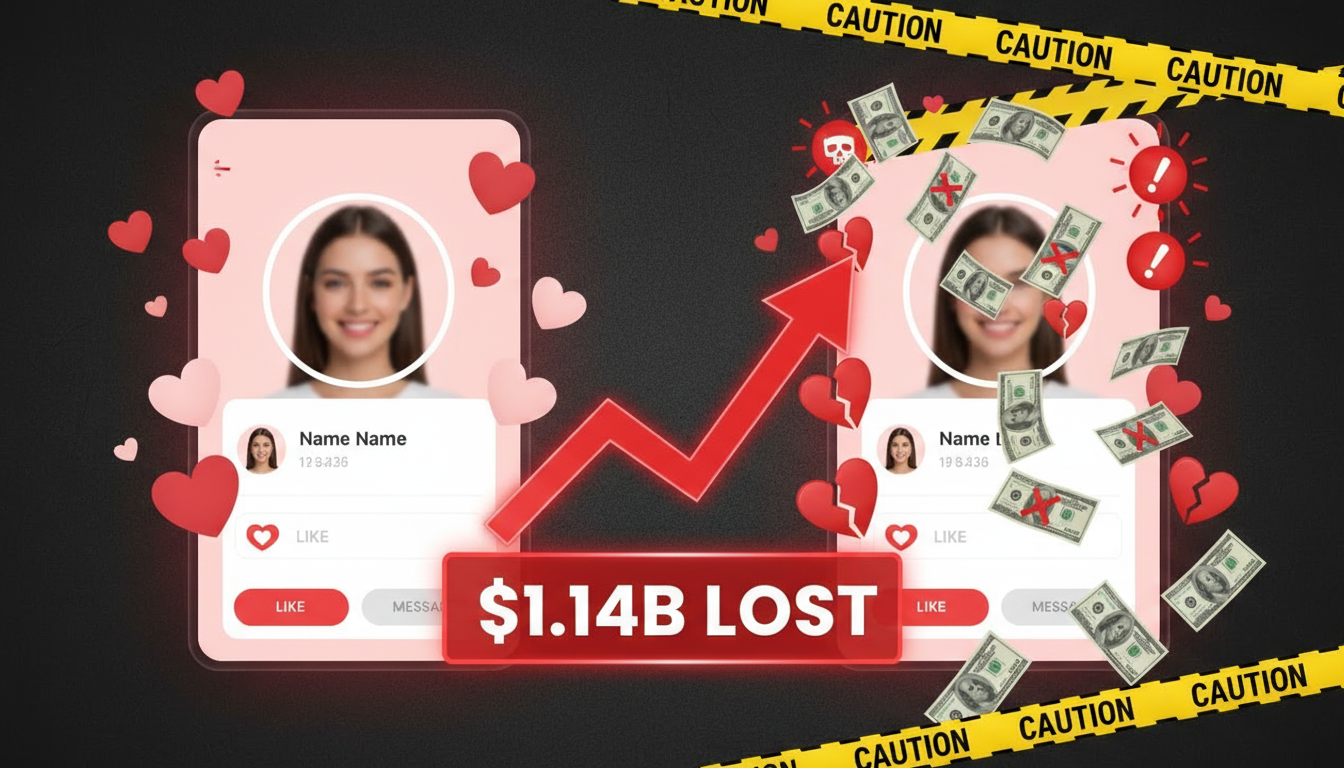
Online dating scams on Facebook have become a prevalent problem in recent years. They use various tactics, such as asking for money or personal information, to scam the victims out of their money or identity. These scams can be difficult to detect, as the scammers often use stolen photos and convincing stories to gain the trust of their victims. In this blog post we’ll go over the signs you should be aware of when using online dating services, including those on Facebook.
What Are Online Dating Scams on Facebook?

Online dating scams on Facebook are a type of fraud that occur when scammers create fake profiles on the platform to lure victims into romantic relationships. These scammers use various tactics to scam the victims out of their money or identity. Online dating scams on Facebook can be particularly dangerous for the following reasons:
1. They Can Be Difficult To Detect
Scammers often use stolen photos and convincing stories to gain the trust of their victims, making it difficult for the victim to know that they are being scammed.
2. They Can Be Emotionally Damaging
Victims of online dating scams may experience feelings of betrayal and loss, and may even develop trust issues in future relationships.
3. Financial Loss
Scammers often ask for money or personal information, and they may use this information to steal the victim’s identity or money.
4. Privacy Loss
Scammers may ask for personal information such as social security number, bank account information and other sensitive information which if falls in wrong hands can lead to serious breach of privacy.
5. Scammers Can Continue To Scam
Once a scammer has successfully scammed a victim, they may continue to use the same tactics to scam other victims, or even use the victim’s personal information to commit other types of fraud. Scammers can use the information gathered to blackmail or threaten the victims which can lead to further emotional and mental trauma.
How Scammers Create Fake Profiles on Facebook for Online Dating Scams

Scammers create fake profiles on Facebook by using stolen photos and information from other sources. They may use real photos of someone else, often taken from social media platforms or the internet, and create a fake backstory to make the profile appear legitimate. They may also use photos of models or actors found online, and create a fake profile using a made-up name. This can make it difficult for victims to know that the profile is fake.
Scammers also use automated tools to create fake profiles on Facebook, these tools can create hundreds of profiles at a time. The scammers then use these profiles to send friend requests to random individuals, increasing the chances of finding a potential victim.
Scammers will also use bots, or software applications that run automated tasks, to create fake profiles on Facebook. These bots can be programmed to automatically send friend requests and messages to a large number of individuals, increasing the chances of finding a victim.
To make their fake profiles more convincing, scammers may also create fake reviews, fake friends or fake posts on their profiles. They may also use tactics such as creating a fake profile for a fictional business, organization or community to make it appear more legitimate. The goal of all these tactics is to gain the trust of the victim and make them more likely to fall for the scam.
Common Tactics of Online Dating Scams on Facebook

Catfishing
Scammers often create fake profiles using someone else’s photos and information. They may use these fake profiles to build trust with potential victims, and then ask for money or personal information.
Romance Scams
Scammers may use dating platforms to build romantic relationships with people, and then ask for money or personal information. They may claim to be in a dire situation, such as needing money for travel or medical expenses.
Phishing
Scammers may use dating platforms to send messages that contain links to fake websites that ask for personal information or login credentials. These sites may look like legitimate dating sites or social media platforms, but are actually designed to steal personal information.
Investment Scams
Scammers may use dating platforms to lure people into investing in fake business opportunities or other schemes. They may use the trust built through a romantic relationship to convince the victim to invest money.
Lottery Scams
Scammers may use dating platforms to send messages claiming that the victim has won a lottery or sweepstakes. They may ask the victim to provide personal information or pay a fee to claim the prize.
Impersonation Scams
Scammers may use dating platforms to impersonate someone else, such as a military member or a government official. They may use this impersonation to build trust and ask for money or personal information.
How to Spot The Signs of Online Dating Scams on Facebook

If you receive a message from someone you don’t know, be cautious. Scammers often send messages to large groups of people in hopes of finding a victim.
Scammers often try to get money or personal information from their victims. Be wary of anyone who asks for money, or asks for personal information such as your social security number or login credentials.
Scammers often make unrealistic promises, such as guaranteeing a large return on an investment. Be skeptical of anyone who promises you something that seems too good to be true.
Scammers often try to create a sense of urgency to get their victims to act quickly. Be wary of anyone who pressures you to make a decision or send money before you have had a chance to think it through.
Scammers often have poor grammar and spelling. Be wary of messages that contain grammatical errors or are written in broken English.
Scammers often provide little information about themselves. Be wary of profiles that have little information, or that have only one or two photos. Scammers often use stock photos or stolen images, so be sure to check the authenticity of the photo.
How to Protect Yourself From Online Dating Scams on Facebook

- Be wary of messages from people you don’t know, even if they seem friendly or sincere. Scammers often send messages to large groups of people in hopes of finding a victim.
- Never give out personal information such as your social security number, login credentials, or financial information to someone you met online. Scammers often use this information to steal your identity or access your bank account.
- Scammers often make unrealistic promises, such as guaranteeing a large return on an investment. Be skeptical of anyone who promises you something that seems too good to be true.
- Scammers often try to create a sense of urgency to get their victims to act quickly. Be wary of anyone who pressures you to make a decision or send money before you have had a chance to think it through.
- Before sending money or personal information, research the person you are communicating with. Scammers often use fake profiles and stolen images, so be sure to check the authenticity of the photo and the information provided.
- Use a reputable dating platform that has a process to verify the identity of its members. This will reduce the chances of encountering a scammer.
What to Do If You Suspect You Are a Victim of an Online Dating Scam on Facebook

If you suspect that you are a victim of an online dating scam on Facebook, there are several steps you should take:
- Cease all communication with the person who you suspect is a scammer.
- Report the profile to Facebook by clicking on the three dots on the top right corner of the profile and selecting “Find Support or Report Profile.”
- Change your Facebook password and review your account’s privacy settings.
- If you have sent money or shared personal information with the scammer, contact your bank or financial institution immediately.
- Notify the Federal Trade Commission (FTC) of the scam by visiting ftc.gov/complaint or calling 1-877-FTC-HELP.
- Seek support from friends and family and consider talking to a therapist if you are feeling emotionally affected by the scam.
It’s important to remember that scammers often use social media platforms to target victims, so be cautious when interacting with people online, and never give away personal information or money to someone you haven’t met in person.