 Multiple Faces Detected


 January 21st, 2026
Ever been lured by an irresistible deal only to find out it’s too good to be true? Welcome to the world of bait-and-switch scams. These scams thrive on misleading promises and deceptive tactics, leaving victims frustrated and out of pocket. In fact, in 2024, global losses to scammers hit an alarming $1.03 trillion, with many falling prey to these fraudulent schemes.
While it may seem like a mere inconvenience or a bad deal, the consequences of bait-and-switch extend far beyond financial loss.
In this article, we’ll break down the different aspects of bait-and-switch, its far-reaching consequences, and how platforms such as Social Catfish enable people to guard themselves against such manipulative practices.
What Is the Bait and Switch Concept?

At its core, bait-and-switch is a marketing strategy where a seller entices you with a great deal (the “bait”) and then substitutes it with something inferior (the “switch”). It’s a psychological trick designed by scammers to force individuals to accept a bargain they never intended to take.
From misleading advertisements to phony internet offerings, businesses, scammers, and even individuals use this strategy in one way or another.
Even though the bait and switch concept has existed for many years, it has become more widespread and challenging to identify in the digital age. Usually, the scheme develops in two phases:
- The Bait: An irresistible offer is presented to the target. This could be a personal relationship, an excellent employment opportunity, or discounted goods. The purpose of the bait is to draw in customers and instill a sense of urgency.
- The Switch: Once the target is hooked, the original offer is replaced with something inferior, more expensive, or entirely different. By this point, the victim is often too invested to walk away.
Bait And Switch In The Internet Age
The internet has made it easier for scammers to implement bait-and-switch tactics. They can use fake advertisements, misleading product descriptions, and even fake reviews to trap victims online.
- Retail Scams: A store advertises a high-quality product at an unbeatable price, but once customers arrive, they are told it’s “out of stock” or a “limited time offer,” pushing them to buy a pricier alternative.
- Job-Offer Scams: A job listing promises high pay and flexible work, but employees face hidden fees, unrealistic quotas, or completely different responsibilities once hired.
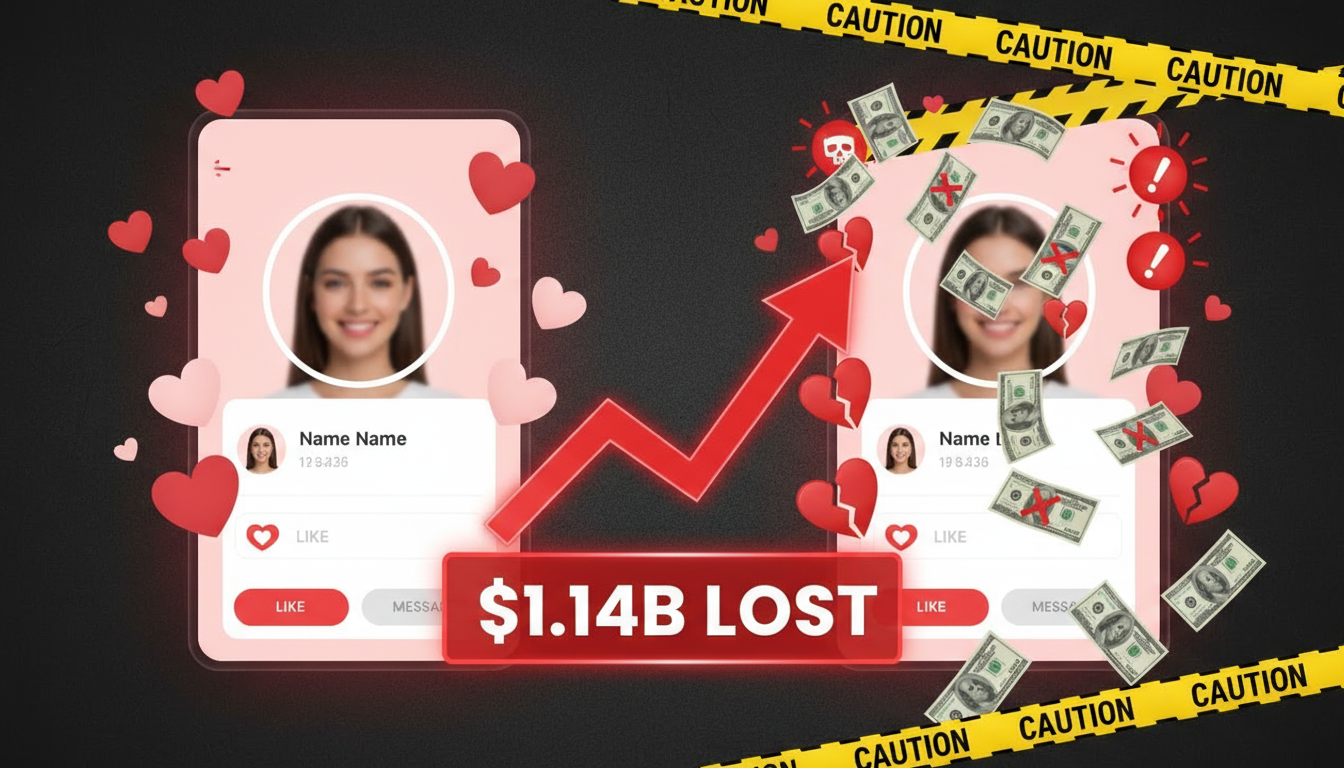
- Online Dating and Social Media Scams: Bait-and-switch can occur in online dating, where someone presents a false persona to lure victims into a relationship. This is called catfishing and can have devastating emotional and financial consequences.
- Online Shopping Fraud: Occurs when customers purchase an item based on false advertising only to receive something entirely different or nothing at all.
- Financial Scams: Many online scams use bait-and-switch tactics to trick victims into providing personal information or sending money, such as wire transfer scams that promise a large sum of money in exchange for a small upfront payment.
Real-Life Consequences of Bait-And-Switch
While bait-and-switch is often associated with financial scams, its impact goes much deeper. Here’s why it’s more than just a bad deal:
Financial Loss
While not the only consequence, financial loss is a significant aspect of bait-and-switch scams. Victims may spend money on inferior products, lose deposits, or fall prey to wire transfer scams.
In some cases, the financial impact can be life-altering, especially for those already vulnerable. Funds may be impossible to recover, especially if the scammer disappears without a trace.
For example, elderly individuals or those experiencing financial hardship may be more susceptible to bait-and-switch tactics. The loss of even a tiny amount of money can disproportionately impact their lives.
Societal Impact
Bait-and-switch scams can have a lasting impact on society. They breed distrust between consumers and businesses, making it harder for people to trust legitimate offers. Victims often face financial losses and emotional stress, while businesses suffer from damaged reputations.
Over time, this creates a more cynical environment, where people are constantly on edge about being deceived.
Psychological and Emotional Toll
Bait-and-switch tactics don’t just drain your wallet—they can also take a serious toll on your mental and emotional well-being.
The frustration, stress, and anxiety that follow being deceived can be overwhelming, especially when the scam involves personal relationships or significant investments. Victims of catfishing scams, for instance, often endure deep emotional distress, with the effects lingering long after the realization of manipulation.
Tips To Avoid Falling Victim To A Bait-And-Switch Scam

Here’s how to prevent falling for a bait-and-switch scam:
- Only Click on Safe Links: Always check the website address before clicking a link to ensure it’s safe. If the URL looks suspicious or doesn’t match what it claims to be, research before purchasing anything.
- Verify the Seller: Before going ahead with an offer or purchase, look up the business or person to verify legitimacy. Search for customer reviews on authenticated platforms and evaluate their online existence. To assess the genuineness of their identity, assertions, and images, use reverse image search and verify information from multiple sources.
- Beware of Deals That Seem Too Good to Be True: If a deal seems too good to be true compared to others, approach it with caution. Scammers often use irresistible offers to trick and entice victims. Before making a choice, always confirm that such deals are legitimate.
- Recognize Suspicious Communication: Bait-and-switch scams often involve misleading information. Watch out for red flags like vague product details, sellers who avoid answering questions, or unclear job descriptions.
- Always Read the Fine Print: Pay attention to the terms and conditions of any offer. Look for disclaimers or limitations. If something feels off, trust your instincts and walk away.
- Use Secure Payment Methods: Avoid paying with wire transfers, cryptocurrency, or prepaid gift cards. Scammers prefer these methods because transactions cannot be reversed. Instead, use credit cards or trusted payment platforms. They offer fraud protection and let you dispute unauthorized charges.
Final Thoughts
Bait-and-switch is much more than just a bad deal; it’s a matter of lost trust and can lead to serious consequences. The best defense against more sophisticated scams is to remain aware and vigilant. Make sure everything is legitimate before committing, whether shopping online, looking for a job, or forming online relationships.
If you suspect you’ve encountered a bait-and-switch scam, consider using platforms like Social Catfish to investigate further and run a reverse lookup. By staying aware, you can avoid scammers’ traps and make informed decisions in an increasingly deceptive world.