
 Multiple Faces Detected


 January 21st, 2026
Table of contents
- How PayPal Email Scams Work (And Why They’re So Effective)
- 7 Most Common PayPal Email Scams in 2025
- How to Spot a Fake PayPal Email (5 Warning Signs)
- What to Do If You Receive a PayPal Scam Email
- What If You Got Scammed? Steps to Recover Your Money
- How to Protect Yourself from PayPal Scams (Actionable Tips)
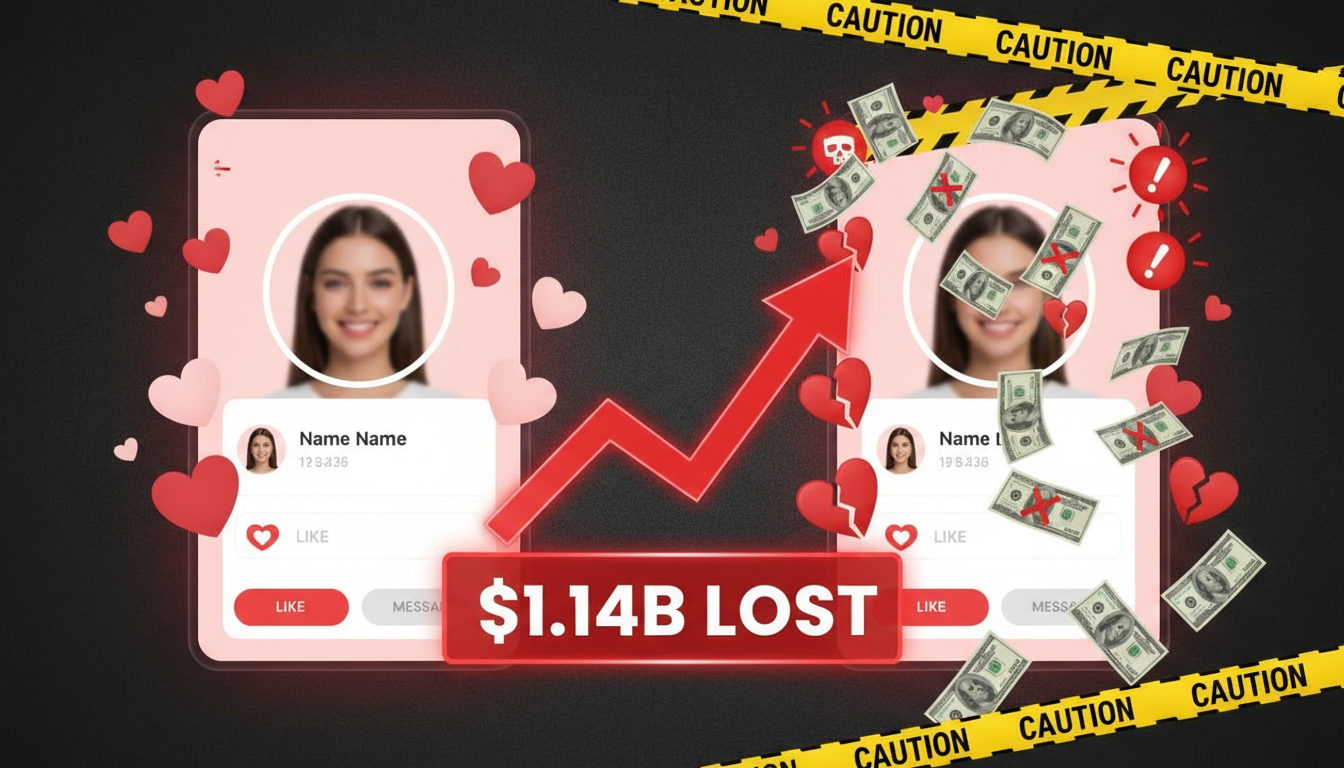
PayPal scam email attacks have become a growing threat. Scammers exploit this trusted platform to steal millions from unsuspecting users. According to the Global Anti-Scam Alliance, in 2024, $1.03 trillion was lost globally due to scams involving electronic transfers like PayPal.
Phishing emails and fake invoices are commonly used to trick PayPal users into revealing sensitive information or making fraudulent payments. These scams are sophisticated, often disguised as legitimate communications, making them harder to spot.
Let’s break down how these PayPal scams work and what you can do to protect yourself.
How PayPal Email Scams Work (And Why They’re So Effective)

PayPal scams are common because of PayPal’s worldwide popularity. In 2024, a local man in Cambodia lost $50,000 after falling for a PayPal email scam. The message claimed there was an issue with his account and asked him to verify his details, along with a link to fix it.
How Phishing PayPal Emails Manipulate Users
Scammers design their emails to create fear and urgency, making people act quickly without thinking.
Here are some examples:
- Fake Payment Confirmations: The email claims you sent money and urges you to cancel by clicking a link, which leads to a fake login page that steals your details.
- Locked Account Warnings: The email says your PayPal account is suspended and includes a button to restore access, but clicking it hands control to scammers.
- Fraud Alerts: The email warns of suspicious activity, like a login from another country, and tells you to secure your account immediately, but the link steals your password.
7 Most Common PayPal Email Scams in 2025
According to the National Consumers League’s Top Ten Scams report of 2024, phishing and spoofing scams accounted for 18.83% of all reported fraud. Many PayPal scams rely on fake emails designed to trick users into giving away their login details or sending money. Here are the most common ones.
Fake Invoices
Scammers take advantage of digital wallets, like PayPal, by sending fake invoices that appear legitimate. They use lookalike email addresses to mimic PayPal’s official communication, convincing victims to pay.
Fake Refund Requests
The email says you are receiving a refund and includes a link to claim it. Instead of returning the money, it directs you to a phishing site designed to steal your information.
Overpayment Scam
When using secure payment methods, beware of overpayment scams. A scammer may claim to have sent extra money by mistake and ask for a refund. While the original payment never clears, you’ll end up losing the refunded amount.
“Wrong Person” Transfer Scam
You receive money from a stranger, followed by a request to return it. Later, the original transaction is reversed, leaving you out of pocket.
PayPal Customer Support Scam
A fake customer support email claims there is an issue with your account. It urges you to call a number or click a link, leading to scammers who steal your details.
Malicious Attachments
You receive an email with an urgent message and an attached PDF or link. Opening it installs malware that can steal passwords or lock you out of your accounts. Use a reverse email lookup tool to verify the sender before clicking any links or downloading attachments.
Fake Charity or Bitcoin Scams
A scammer asks for donations through PayPal, often claiming to be from a charity or crypto investment opportunity, whereas, in reality, the money goes straight to the fraudster instead.
How to Spot a Fake PayPal Email (5 Warning Signs)
According to an FTC report, task scams skyrocketed to 20,000 cases in just six months of 2024. These scammers rely on deception, but their emails often contain red flags. Here’s how to spot them.
Fake Sender Email
Legitimate PayPal emails always come from paypal.com. If the sender’s address includes extra words or misspellings like paypal-support.com, it’s a scam.
Poor Formatting
Many scam emails contain blurry or pixelated logos, awkward spacing, and grammatical mistakes in text. Official PayPal messages are professionally formatted, so any obvious errors indicate a fake.
Unusual Requests
When shopping online, always protect your credit card information. PayPal will never ask for your password, security code, or full credit card details via email. So, if an email requests this sensitive information, it’s a scam.
Fake Urgency
Phrases like “Act within 24 hours, or your account will be permanently disabled!” are designed to create panic. While PayPal does not use threats or tight deadlines like this, scammers try to rush you into acting without thinking.
Unverified Links
Hover over any links before clicking. If the URL doesn’t lead to paypal.com, it’s a phishing attempt. Scammers often use lookalike domains to trick users.
Think an email might be fake? Run a reverse search to verify its authenticity before clicking any links.
What to Do If You Receive a PayPal Scam Email

While scammers rely on urgency, staying calm and following the right steps can protect you. Here’s what to do if you get a suspicious PayPal email.
- Do NOT click on links or open attachments.
- Instead of clicking links, go to paypal.com and log in directly. If there’s no alert or unusual transaction in your account, the email is fake.
- Report the scam attempt by sending the suspicious email to [email protected] so PayPal’s security team can investigate and take action.
- Notify the Federal Trade Commission (FTC), the Better Business Bureau (BBB), and your bank or credit card provider to help prevent further fraud.
- Use sites like Social Catfish to run a reverse search and verify the sender’s identity before taking any action.
What If You Got Scammed? Steps to Recover Your Money
If you fell for a PayPal scam, act fast to improve your chances of getting your money back. Follow these steps.
- Report Unauthorized Activity: Log into PayPal, go to the Resolution Center, and report the fraudulent transaction.
- Contact the Seller (If Applicable): Use PayPal’s message center to request a refund if you made a purchase.
- Escalate the Case: If the seller ignores your request for 20 days, escalate the dispute to a claim for PayPal to investigate.
- Request a Chargeback: If you paid with a credit card, call your bank and request a chargeback to reverse the transaction.
- Secure Your PayPal Account: Change your password, update security questions, and enable two-factor authentication (2FA) to prevent further fraud.
How to Protect Yourself from PayPal Scams (Actionable Tips)
Preventing PayPal scams starts with taking the right security steps. Here’s how to protect your account.
- Enable Two-Factor Authentication (2FA): This adds an extra verification step to block unauthorized logins.
- Use a Strong, Unique Password: Avoid reusing passwords and include a mix of letters, numbers, and symbols.
- Never Send Money via “Friends & Family” to Strangers: This option has no buyer protection, making refunds impossible.
- Use PayPal’s Purchase Protection: When shopping online, always verify the e-commerce website’s legitimacy before making a purchase. And when initiating payments, select “Goods & Services” to ensure safer transactions with dispute options if something goes wrong.
- Install Spam Filters & Anti-Phishing Tools: This feature blocks scam emails before they reach your inbox.
Is someone pretending to be from PayPal and trying to steal your money? Don’t risk it; use our search specialist service to verify their identity before it’s too late.
Here’s what users say about their experience with our search specialist service:
“ERIN was really helpful with everything I asked and I was set aside with the accuracy and letting me know what steps I need to take next very helpful” – Barbara.