 Multiple Faces Detected


 October 8th, 2023
In an age where communication is more accessible than ever, questions regarding the legality of phone calls, particularly restricted ones, have arisen. We live in a world where privacy concerns often collide with the need for transparency and security. As such, it’s crucial to understand the legal aspects surrounding restricted calls, what’s allowed, and what might cross the line. In this blog post, we’ll delve into the intricate web of regulations and permissions governing restricted calls, shedding light on the boundaries that both individuals and organizations must navigate in the realm of telecommunication.
Understanding the Nature of Restricted Calls
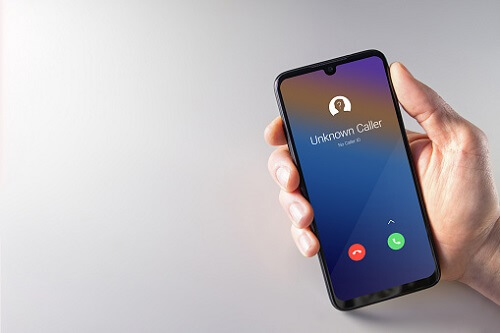
Restricted calls, often shrouded in mystery, are a unique feature of telecommunications that conceal the caller’s identity from the recipient. They are commonly associated with withheld numbers or caller IDs that read “Private” or “Restricted.” These calls are intentionally obscured, preventing the receiver from seeing the caller’s phone number. The reasons behind using restricted calls can vary widely, from legitimate privacy concerns to more questionable motives.
One of the primary motivations for placing a restricted call is personal privacy. In some cases, individuals may choose to hide their caller ID to protect their anonymity, especially when contacting businesses or services where sharing personal information isn’t desirable. Doctors, lawyers, and other professionals might use restricted calls to shield their private numbers while still communicating with clients or patients.
On the flip side, restricted calls are often associated with dubious activities. Telemarketers, scammers, and fraudsters frequently use this method to conceal their identities when making unsolicited calls. They hope that by hiding their caller ID, they can increase the chances of the call being answered, potentially luring unsuspecting victims into their schemes.
Restricted calls have a legitimate place in situations where caller privacy is paramount, but they can also be a source of frustration and concern when used for nefarious purposes. To better navigate the world of restricted calls, it’s crucial to understand both their potential benefits and drawbacks, as well as the laws and regulations governing their use.
The Legality of Restricted Calls: When Are They Permissible?
The use of restricted calls raises important questions about privacy and legality. While they can serve various purposes, from safeguarding personal information to engaging in confidential business communications, it’s essential to understand when and how restricted calls are permissible under the law.
- Caller ID Blocking: In many jurisdictions, individuals have the right to block their caller ID information when making calls. This is often allowed to protect their privacy, especially for sensitive or confidential matters. For example, healthcare providers may use restricted calls when contacting patients to discuss medical conditions, ensuring that the recipient’s personal health information remains private. In such cases, blocking caller ID is entirely legal and serves a legitimate purpose.
- Telemarketing and Unsolicited Calls: Laws governing telemarketing and unsolicited calls vary by region. In some places, telemarketers are required to display accurate caller ID information, making restricted calls illegal for this purpose. However, there are exceptions. For instance, non-profit organizations and political campaigns may be allowed to use restricted calls, provided they adhere to specific regulations and disclosure requirements.
- Emergency Services and Law Enforcement: Restricted calls are often employed in emergency situations. When individuals dial emergency services, such as 911, their caller ID may be blocked to protect their identity. Similarly, law enforcement agencies might use restricted calls during investigations or when contacting confidential informants. In these cases, the law typically supports the use of restricted calls to maintain security and confidentiality.
- Business Communications: In the business world, restricted calls may be used for legitimate purposes, such as negotiating contracts, discussing proprietary information, or conducting market research. However, laws surrounding business communications can be complex. It’s crucial for companies to ensure that their use of restricted calls complies with relevant regulations, especially when dealing with international calls or cross-border business activities.
- Consent and Recording Laws: Some jurisdictions require that callers obtain consent before blocking their caller ID or recording phone conversations. Failing to obtain consent when it’s legally required can result in serious consequences. Therefore, understanding the specific consent and recording laws in your region is essential when considering the use of restricted calls.
- Fraud and Harassment: Using restricted calls for fraudulent activities, harassment, or to perpetrate scams is universally illegal and subject to severe penalties. Law enforcement agencies actively investigate and prosecute individuals engaged in such activities.
The Fine Line: Legal vs. Unlawful Use of Restricted Calls
Protection of Personal Privacy
One of the primary legitimate uses of restricted calls is to protect personal privacy. Individuals have the right to keep their phone numbers and identities confidential, especially in situations where disclosing this information may lead to harassment, stalking, or unwanted contact. In such cases, using restricted calls to shield one’s identity is considered legal and necessary for personal safety.
Business Communications
In the business world, restricted calls are often employed for legitimate purposes, such as confidential negotiations or discussions involving proprietary information. However, the legality of using restricted calls for business purposes can vary depending on regional laws and industry-specific regulations. Companies must ensure compliance with these rules to avoid legal issues.
Telemarketing and Consumer Protection
In contrast, telemarketers who use restricted calls to mask their identity when making unsolicited sales calls may be violating consumer protection laws. Many regions require telemarketers to provide accurate caller ID information and honor “do not call” lists. Using restricted calls to deceive consumers can result in penalties and legal actions.
Scams and Fraud
One of the most notorious unlawful uses of restricted calls involves scams and fraud. Fraudsters often use blocked caller IDs to deceive victims into answering calls, making it difficult to trace the origin of these fraudulent communications. Law enforcement agencies actively pursue those engaged in such illegal activities.
Recording and Consent Laws
Some jurisdictions have specific laws regarding the recording of phone conversations and obtaining consent for it. Failing to adhere to these laws can lead to legal consequences. Using restricted calls to record conversations without the required consent is typically unlawful and can result in civil and criminal penalties.
Harassment and Threats
Using restricted calls for harassment, threats, or intimidation is illegal in most places. Harassment laws encompass various forms of unwanted communication, including phone calls, and perpetrators can face serious legal consequences.
Protecting Your Privacy: Dealing with Unwanted Restricted Calls
While most calls are innocuous or even welcome, unwanted restricted calls can be a source of frustration and concern. These calls often conceal the caller’s identity, making it challenging to discern their intent. Fortunately, there are steps you can take to safeguard your privacy and manage unwanted restricted calls effectively.
First and foremost, it’s essential to understand the nature of restricted calls. Some may genuinely protect privacy, while others might be telemarketing efforts, scams, or even potential threats. Being aware of the possibilities can help you respond appropriately.
One practical approach is to screen calls with caller ID. Many smartphones allow you to see the caller’s number or at least distinguish between restricted and non-restricted calls. This can help you decide whether to answer or ignore a call, depending on your comfort level.
For added protection, consider using call blocking apps and services available for smartphones. These apps can automatically identify and block known spam or unwanted callers, reducing the chances of encountering restricted call-related issues.
Enabling the “Do Not Disturb” mode on your phone during specific hours can also be beneficial. This feature silences all calls and notifications, allowing you to focus without disruptions.
Furthermore, check if your phone service provider offers an anonymous call rejection feature. When enabled, this service automatically rejects incoming calls from restricted or blocked numbers.
In cases where you continue to receive unwanted restricted calls, don’t hesitate to report them to your phone service provider and relevant authorities like the Federal Trade Commission (FTC). Documenting the date, time, and nature of these calls can assist in any investigations.
Staying informed about common phone scams and fraudulent tactics is crucial. Be cautious when providing personal information over the phone, especially to unknown or unverified callers.
Review the privacy settings on your social media profiles and other online platforms. Some restricted callers may gain access to your contact information through these channels.
In situations of persistent harassment, threats, or scams, consider seeking legal advice from authorities or an attorney who can guide you on potential legal actions against the perpetrators.
Lastly, encourage contacts you trust to use unrestricted numbers when reaching out to you. This simplifies the process of identifying legitimate callers.
Remember that protecting your privacy is essential, and you have the right to manage your incoming calls as you see fit. By implementing these strategies and staying vigilant, you can reduce the impact of unwanted restricted calls on your daily life and maintain better control over your communication channels.