Multiple Faces Detected


 October 10th, 2023
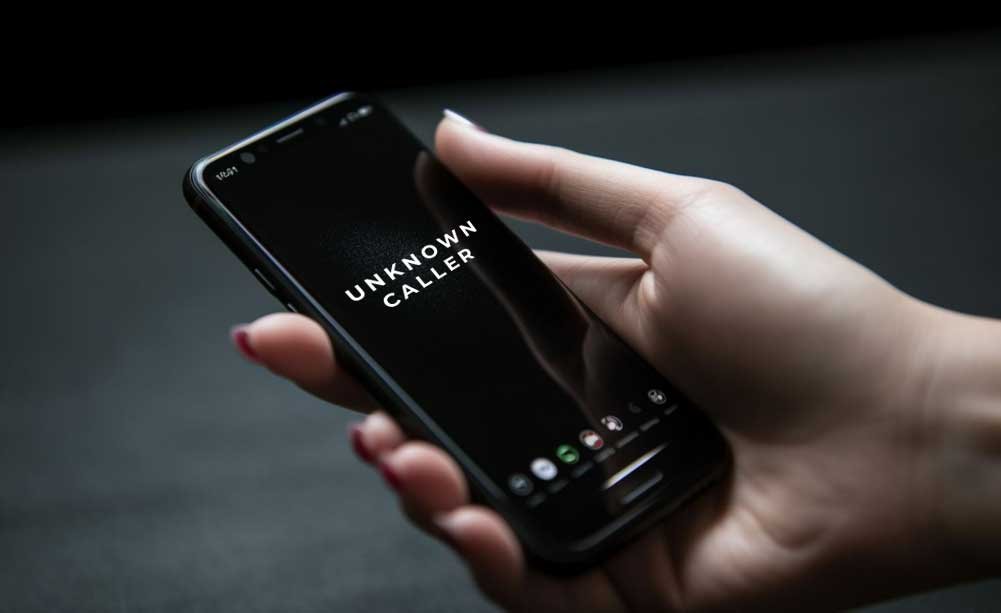
The use of restricted calls has become a topic of interest and intrigue. The enigmatic allure of hiding one’s caller ID can serve various purposes, from maintaining privacy to safeguarding personal information. But when is it truly appropriate to employ the veil of anonymity that restricted calls provide? This blog post delves into the nuanced realm of restricted calls, shedding light on the situations where their use can be justified and, at times, even essential. Whether you’re seeking to protect your privacy, maintain professional boundaries, or navigate specific scenarios, understanding when to use a restricted call is key to making informed choices in our interconnected world.
Protecting Personal Privacy
Protecting personal privacy is a fundamental aspect of modern life, and using a restricted call can be a strategic choice in certain situations. One of the primary reasons individuals opt for restricted calls is to shield their personal information from being disclosed to unknown or untrusted parties. In today’s digital age, where personal data is constantly at risk of exposure, making a restricted call can provide an extra layer of security.
For instance, when you’re communicating with someone you don’t know well, such as when buying or selling items online, using a restricted call can help safeguard your phone number and, by extension, your personal identity. This practice can prevent potential scammers or unsolicited callers from obtaining your contact information and using it for malicious purposes.
Furthermore, restricted calls can be invaluable when interacting with businesses or services that require your phone number but may not necessarily need to store it in their records. By making a restricted call in these situations, you can maintain a level of privacy while still engaging in essential transactions or communications.
In cases where you’re reaching out to acquaintances or individuals you don’t have a close relationship with, using a restricted call can convey your desire to keep certain aspects of your identity private until you feel more comfortable sharing them. This can be particularly relevant in the early stages of dating or when connecting with potential new friends.
The ability to protect your personal privacy through restricted calls empowers you to manage who has access to your contact information, thereby helping you maintain greater control over your online and offline presence.
Maintaining Professionalism
Maintaining professionalism is crucial when deciding when to use a restricted call. While there are situations where restricted calls can help protect personal privacy, it’s equally important to be mindful of maintaining a professional image, especially in work-related scenarios.
- Business Communication: In a professional setting, using a restricted call should be a thoughtful decision. When contacting colleagues, clients, or business associates, it’s typically best to use your regular, unblocked number. It demonstrates transparency and fosters trust in your professional relationships.
- Job Interviews: When you’re in the process of job hunting and participating in interviews, consider using your unblocked number. Job interviews are a time to showcase your skills and qualifications, and making a restricted call might give the impression of secrecy or unavailability.
- Networking Events: Networking is a fundamental part of career growth. During industry conferences, workshops, or networking events, it’s advisable to share your contact information openly. Being accessible and approachable can lead to valuable connections and opportunities.
- Client Relations: If you work in a field where you interact with clients regularly, it’s essential to maintain open lines of communication. Using a restricted call with clients might convey an unprofessional image or create unnecessary barriers.
- Professional Organizations: When participating in professional organizations or associations, consider using your regular number to ensure that you remain easily reachable by fellow members, mentors, or potential collaborators.
- Workplace Communication: Within your workplace, whether in an office or remote environment, use your regular phone number for internal communication. Colleagues need to reach you promptly, and using a restricted call may lead to confusion or suspicion.
Safety and Security Concerns
Safety and security concerns are paramount in both personal and professional settings. In an increasingly digital and interconnected world, individuals and organizations must prioritize the protection of their assets, data, and well-being. Here are six critical considerations regarding safety and security concerns:
- With the proliferation of digital technologies, cybersecurity is a top concern. Protecting sensitive data from cyber threats, such as hacking and phishing, is essential. Implementing robust cybersecurity measures, including firewalls, encryption, and regular updates, is crucial.
- Physical security encompasses safeguarding physical assets, locations, and personnel. This involves measures like surveillance systems, access controls, and emergency response plans to protect against theft, vandalism, or unauthorized access.
- Individuals must prioritize their personal safety in various aspects of life. This includes being aware of one’s surroundings, practicing safe behaviors, and taking precautions, such as locking doors and windows, when necessary.
- Being prepared for emergencies, whether natural disasters or man-made crises, can save lives. This includes having emergency kits, evacuation plans, and knowing how to respond in different situations.
- Health and well-being are essential components of safety and security. This includes maintaining physical and mental health, practicing healthy habits, and seeking medical attention when needed.
- Financial stability is a significant aspect of personal and business security. Managing finances wisely, saving for the future, and protecting against financial risks are essential for long-term security.
Navigating Sensitive Circumstances
Navigating sensitive circumstances requires a nuanced and considerate approach, whether in personal or professional settings. The cornerstone of this process is active listening, where individuals genuinely engage with the concerns and perspectives of others. By being attentive and empathetic, we can establish trust and demonstrate our willingness to understand and support those facing sensitive issues. Additionally, practicing empathy and compassion is vital. It involves recognizing and acknowledging the emotions and experiences of others, showing that we care about their well-being.
Respect for privacy and confidentiality is another critical element. When sensitive information is involved, safeguarding confidentiality is a must, unless there are legal or safety imperatives to share it. Instituting clear policies and procedures for handling confidential data can help maintain trust and ensure responsible management.
Clear and transparent communication is the linchpin of navigating sensitive matters. Using language that is both respectful and considerate, while avoiding assumptions, can prevent misunderstandings and misinterpretations. It is essential to foster open and honest dialogues that enable mutual understanding and trust.
Conflict resolution often becomes necessary in sensitive circumstances where disagreements arise. Approaching these conflicts with an eye toward finding common ground, seeking compromise, and promoting reconciliation can help mitigate tensions and lead to constructive solutions.
Finally, recognizing the complexity of some sensitive situations, professional support may be needed. This can entail involving counselors, mediators, or legal experts who possess the expertise and sensitivity to navigate intricate matters effectively.
In conclusion, navigating sensitive circumstances necessitates a multifaceted approach that emphasizes active listening, empathy, privacy, clear communication, conflict resolution, and, when appropriate, professional assistance. By adhering to these principles, individuals and organizations can address and resolve sensitive issues while upholding the dignity and respect of all parties involved.