
 Multiple Faces Detected


 October 2nd, 2023
In the age of smartphones and constant connectivity, we’ve all received our fair share of phone calls, some of which come with varying degrees of privacy or anonymity. Among the many types of calls we encounter, one that often raises questions and intrigue is the “Restricted Call.” But what exactly is a restricted call, and why does it show up on our phones? In this blog post, we will demystify the concept of restricted calls, shed light on what they are, and explore the reasons behind their use in the realm of modern telecommunications. Whether you’ve encountered restricted calls before or are simply curious about this phone call classification, read on to uncover the insights and information that will help you better understand the mysterious world of restricted calls.
The Basics of Restricted Calls
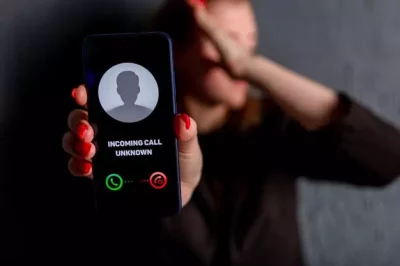
Restricted calls, often referred to as private or blocked calls, are a common feature in the world of telecommunications. These calls occur when the caller intentionally conceals their phone number from appearing on the recipient’s caller ID or screen during the call. Understanding the basics of restricted calls is crucial for anyone who may receive them, as they can range from benign to potentially concerning.
At its core, the concept of a restricted call is straightforward. When someone makes a restricted call, their phone number is masked, typically displaying phrases like “Private Number” or “Blocked Caller” on the recipient’s caller ID. This means that the person receiving the call cannot identify the caller based on their phone number alone. Instead, they see a generic label that indicates the caller’s intention to remain anonymous.
While the idea of restricted calls may raise concerns about privacy and security, it’s important to note that there are legitimate reasons for making calls in this manner. Many people choose to keep their phone numbers private when calling unfamiliar or sensitive contacts to safeguard their personal information. For example, healthcare providers may use restricted calls to protect patient confidentiality when reaching out to clients. Similarly, individuals might use this feature when making calls related to personal or legal matters.
However, not all restricted calls are innocuous. Some individuals may misuse this feature to engage in prank calls, harassment, or fraudulent activities. As a result, it’s essential to be discerning when dealing with restricted calls and to know how to handle them effectively. In the digital age, where privacy concerns loom large, understanding the basics of restricted calls empowers individuals to make informed decisions about how to respond when their phone rings with a private number.
Common Reasons for Restricted Calls
Restricted calls, those that hide the caller’s identity by displaying phrases like “Private Number” or “Blocked Caller” on the recipient’s caller ID, can be a source of curiosity and sometimes concern. Understanding the various reasons behind these concealed calls can shed light on why someone might choose to keep their identity hidden during a phone call.
- Privacy Concerns: The most common and benign reason for a restricted call is privacy. Many individuals prefer not to share their phone numbers with everyone they contact. This is especially true when making calls to strangers, such as businesses, services, or classified ads. By using a restricted call feature, individuals can safeguard their personal information while still engaging in necessary communication.
- Professional or Medical Appointments: In the context of professional services or healthcare, restricted calls are often used to protect confidentiality. Doctors, therapists, and other healthcare providers may use restricted calls when contacting patients to discuss sensitive medical matters. Similarly, lawyers, counselors, or social workers might employ this feature when reaching out to clients regarding personal or legal issues.
- Safety and Security: In some cases, individuals may use restricted calls for personal safety reasons. Victims of harassment or stalking may hide their caller ID to prevent their aggressor from easily tracing their whereabouts. Law enforcement agencies also use this feature when conducting investigations to ensure the safety of undercover officers.
- Telemarketing and Surveys: On the less favorable side, telemarketers and survey companies may use restricted calls as they reach out to potential customers or participants. While not inherently harmful, these calls can be seen as intrusive by some recipients. Regulations often require telemarketers to reveal their identity upon request.
- Prank Calls and Harassment: Unfortunately, pranksters and harassers sometimes misuse the anonymity of restricted calls to engage in harmful behavior. This includes making prank calls, issuing threats, or engaging in cyberbullying. In such cases, it’s essential to report such behavior to law enforcement or phone service providers.
- Fraudulent Activities: In the realm of fraud and scams, restricted calls are sometimes employed to deceive individuals. Scammers may use this tactic when posing as financial institutions, government agencies, or tech support, attempting to trick recipients into revealing personal information or transferring funds. Vigilance is crucial when dealing with unsolicited restricted calls.
Dealing with Restricted Calls
Don’t Panic
When you see “Restricted” or “Private Number” on your caller ID, it’s natural to feel a bit apprehensive. However, the first rule of dealing with restricted calls is not to panic. Most of these calls are innocuous, as we’ve seen from the common reasons behind them. Take a deep breath and stay calm.
Screen Your Calls
One of the simplest and most effective strategies is to screen your calls. Let your voicemail or answering machine pick up the call. Legitimate callers will often leave a message. If it’s an important call, they’ll usually provide information or request a callback.
Use a Call Tracing Service
Some phone carriers offer call tracing services for a fee. This service allows you to trace the restricted call’s origin by pressing a specific combination of keys after the call has ended. While this might not work in every situation, it can be helpful in certain cases, such as when you’re dealing with harassment.
Enable Do-Not-Disturb Mode
Most smartphones have a “Do Not Disturb” mode that silences all incoming calls and notifications except for your chosen contacts. You can configure this mode to allow calls from your contacts to come through while silencing unknown or restricted calls.
Report Harassment
If you believe the restricted calls are part of harassment or malicious activities, report them to your local law enforcement agency. Keep records of the calls, including dates, times, and any content that might be relevant to an investigation.
Consider Call Blocking
Many smartphones offer call-blocking features that allow you to block specific numbers or all unknown or restricted calls. Explore your phone’s settings or download a trusted call-blocking app to help filter out unwanted calls.
Handling Restricted Calls with Caution
Restricted calls can be a source of mystery, frustration, and even anxiety for many phone users. These calls occur when the caller intentionally conceals their identity, often appearing as “Restricted,” “Private,” or “Unknown” on your caller ID. While some restricted calls may be benign or accidental, they can also be used for nefarious purposes. Understanding the various aspects of restricted calls is essential for effectively dealing with them and maintaining your privacy.
Restricted calls are shrouded in mystery because they hide the caller’s identity. This anonymity can be unsettling, as you don’t know who is on the other end of the line. While some individuals may use restricted calls for legitimate reasons, such as maintaining privacy, others may exploit this feature for harassment, scams, or other harmful activities.
There are several reasons why someone might choose to make a call with their identity concealed. It could be for personal privacy, especially if they’re contacting a business or healthcare provider. However, restricted calls are also favored by telemarketers, scammers, and individuals with malicious intent who wish to avoid identification.
When faced with unwanted restricted calls, it’s essential to stay vigilant. Avoid sharing personal information or engaging with the caller if you suspect malicious intent. Instead, consider using call-blocking apps, reporting the calls to relevant authorities, and changing your number if harassment persists.
Advancements in technology have given phone users more tools to manage restricted calls. Many smartphones offer call-blocking features that allow you to filter or block calls from unknown or restricted numbers. These tools can help you regain control over your phone and reduce unwanted disruptions.