 Multiple Faces Detected


 September 15th, 2025
You get a message from someone gorgeous. Their photos look perfect. They say all the right things. But something feels off.
Welcome to the world of catfishing. And you’re not alone in wondering what’s real anymore.
What is catfishing? It’s when someone creates a fake online identity to trick you into a relationship. They steal photos, make up stories, and build entire fake lives—all to manipulate you emotionally and often financially.
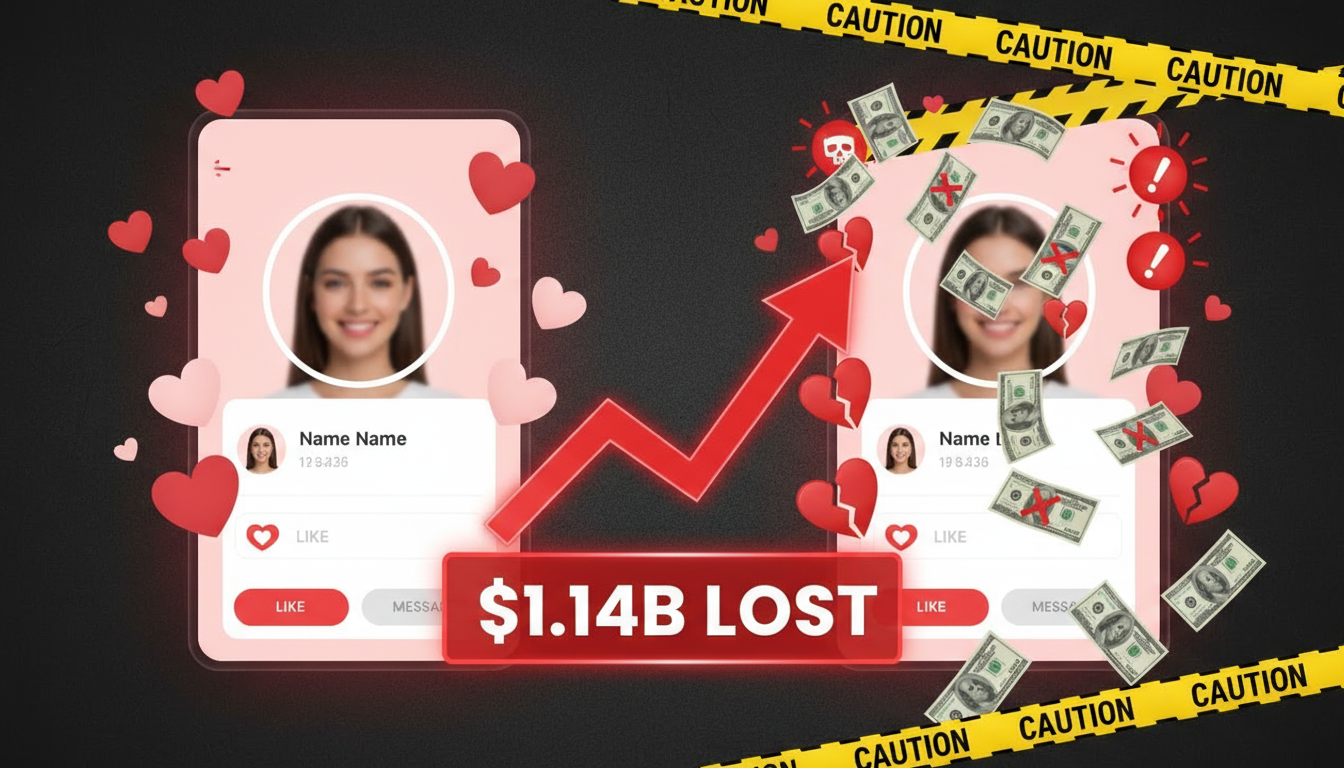
The numbers are staggering. According to recent FBI data, romance scams cost Americans over $672 million in 2024 alone. That’s just what got reported. The real number is probably much higher.
But here’s what really gets me. It’s not just about money. People lose their trust. Their confidence. Sometimes their will to date again.
The Psychology Behind Catfishing: Why It Works So Well

What is catfishing online if not a masterclass in human psychology? Catfishers don’t just randomly pick victims. They study human behavior.
They know exactly what buttons to push. Loneliness. The desire to be loved. The need to feel special.
Research shows that 23% of social media users have been catfished at least once. Men actually get targeted more than women – 60% of victims are male.
The scammers create perfect personas. They’re everything you’ve been looking for. Too good to be true? That’s the point.
They love-bomb you with attention. Constant messages. Romantic gestures. They make you feel like you’re the center of their universe.
Then they start asking for things—money for emergencies. Personal information. Nude photos. By then, you’re emotionally invested.
Red Flags That Scream “Catfish”
Here’s how to spot what is catfishing before you get hooked:
They won’t video chat. Ever. There’s always an excuse. Broken camera. Bad connection. Shy personality. Real people want to see you face-to-face.
Their photos look too professional. Stock photo perfect. Model-quality shots. Use reverse image search to check if those photos appear elsewhere online.
They fall in love fast. Like, really fast. Saying “I love you” after a week of texting? That’s not romance. That’s manipulation.
They ask for money. This is the biggest red flag. Real romantic interests don’t ask for cash, gift cards, or cryptocurrency. Period.
Their stories don’t add up. Details change. They can’t remember what they told you. Their life seems too dramatic or too perfect.
They avoid phone calls. Voice calls reveal accents, background noise, and other clues about where someone really is.
Want to dig deeper? Check out these 12 signs you might be getting catfished online for a complete breakdown.
Where Catfishing Happens Most
What is catfishing without knowing where it lurks? These scams happen everywhere online, but some platforms are worse than others.
Facebook leads the pack. About 83% of catfishing incidents happen there. Instagram comes in second at 37%.
Dating apps are particularly dangerous. 55% of dating app users report encountering fake profiles. Tinder, Bumble, Plenty of Fish – they’re all hunting grounds.
Even professional networks aren’t safe. LinkedIn saw a 37% increase in catfishing attempts from 2020 to 2023.
The scammers adapt fast. New platform? They’re already there.
The Real Cost of Getting Catfished
Money is just part of the damage. The average catfishing victim loses $2,500. But people over 60 lose an average of $83,000.
The emotional cost hits harder. About 33% of catfish victims develop depression or anxiety. They blame themselves. Feel stupid. Lose trust in everyone.
Some victims become so desperate that they resort to taking out loans or maxing out credit cards. Drain retirement accounts. All for someone who never existed.
The shame keeps people quiet. They don’t report it. Don’t tell friends. This lets scammers keep operating.
Famous Catfishing Cases That Shocked Everyone
Real catfishing stories show how sophisticated these scams get. Notable catfishing cases reveal patterns that repeat over and over.
The Manti Te’o case made headlines. A college football star fell for a fake girlfriend who “died” of cancer. Turned out she never existed.
Then there’s the documentary “The Tinder Swindler.” A man posed as a wealthy diamond dealer. He scammed multiple women out of hundreds of thousands of dollars.
These aren’t isolated incidents. They’re part of a massive industry. Scam compounds in Southeast Asia employ hundreds of thousands of people whose only job is stealing money from lonely hearts.
How Scammers Choose Their Targets
Understanding the psychology of catfishing helps explain why people fall for it.
Scammers look for vulnerability. Recent divorce. Death of a spouse. Job loss. They scan social media for clues about your emotional state.
They target individuals who share posts about feeling lonely. Those who share too much personal information. Who seem trusting and generous.
Age matters too. People aged 45-54 are most likely to get catfished. They have money but might not be as tech-savvy as younger people.
The scammers are patient. They’ll spend months building trust. Creating fake emergencies. Making you feel like their hero.
Protecting Yourself From Catfishing Scams
Here’s how to stay safe:
Verify everything. Use reverse phone lookup to check numbers. Search their photos. Look up their stories.
Trust your gut. If something feels wrong, it probably is. Don’t ignore red flags because you want the relationship to be real.
Never send money. Not for emergencies. Not for plane tickets. Not for anything. Real people don’t ask online strangers for cash.
Meet in person quickly. If they won’t meet after a few weeks of chatting, move on. Real local people want to meet face-to-face.
Keep personal info private. Don’t share your address, workplace, or financial details with someone you’ve never met.
Use video calls. Insist on live video chats. Not pre-recorded videos. Live, real-time conversation where you can see them react to what you say.
What to Do If You’re Being Catfished
Did you discover you’re talking to a fake person? Here’s your step-by-step guide for what to do if you’re being catfished.
Stop all contact immediately. Don’t give them a chance to manipulate you further.
Document everything. Screenshots of conversations. The photos they sent. Any financial transactions.
Report them to the platform where you met. Most sites have reporting features for fake profiles.
If you lost money, report it to the FBI’s Internet Crime Complaint Center. Also, contact your bank or credit card company.
Don’t blame yourself. These are professional criminals. They’re good at what they do.
Platform-Specific Catfishing Risks
Different platforms have different risks. Tinder scams often involve fake verification links or premium account upgrades.
Plenty of Fish scams frequently use military personas or overseas business travelers who can’t meet in person.
Social media platforms like Facebook and Instagram let scammers build more elaborate fake lives. They can create entire friend networks and photo histories.
The key is knowing each platform’s weak spots and staying alert.
The Technology Behind Modern Catfishing

Today’s catfishers use sophisticated tools. AI can generate fake photos that look completely real. Voice changers can disguise accents. VPNs hide their real locations.
They study the most catfished photos of 2025 to see what works. Then they create variations that are harder to detect.
Some use deepfake technology to create fake video calls. Others hire people to pose as their fake personas for brief video chats.
The technology keeps getting better. But so do the tools to catch them.
Why Social Catfish Is Your Best Defense
When you need to verify someone’s identity, you need professional tools. Social Catfish offers the most comprehensive background checking and reverse search capabilities available.
Their platform can search across multiple databases simultaneously. Photos, phone numbers, email addresses, usernames – they check it all.
Unlike free tools that give limited results, Social Catfish provides detailed reports. You’ll know if that person is real or fake before you get emotionally invested.
The service has helped thousands of people avoid scams and verify legitimate connections. When your heart and wallet are on the line, professional verification is worth every penny.
Moving Forward After a Catfishing Experience
Getting catfished doesn’t mean you should give up on online dating. It means you should become more knowledgeable about it.
64% of catfishing victims become more cautious about online interactions. That’s actually a good thing.
Use that experience to develop better instincts. Trust but verify. Ask hard questions. Don’t ignore red flags.
The right person will understand your caution. They’ll be happy to video chat, meet in person, and prove they’re real.
Taking Control of Your Online Safety
What is catfishing ultimately? It’s a crime that preys on human connection. But knowledge is power.
Now you know the warning signs. You understand the psychology. You have tools to verify identities.
Don’t let fear keep you from finding real love online. Just be smart about it. Use professional verification services. Trust your instincts. And remember – if someone seems too good to be true, they probably are.
The internet can be a wonderful place to meet people. Just make sure the person you’re meeting actually exists.