 Multiple Faces Detected


 July 17th, 2025
You’re about to buy something online when doubt creeps in. Is this website legit? With scammers creating nearly 1.8 million new phishing and fake websites in just the last half of 2024, according to the Anti-Phishing Working Group, knowing how to check if a website is a scam has never been more important.
A website scam checker can be your first line of defense against fraudulent sites. However, you don’t need to rely solely on tools. There are clear warning signs that can help you spot fake websites before they steal your money or personal information.
What Makes a Website Dangerous?

Scammers build fake websites for several reasons. They want to steal your credit card details, harvest your personal information, or trick you into buying products that don’t exist. Some malicious sites even install malware on your device.
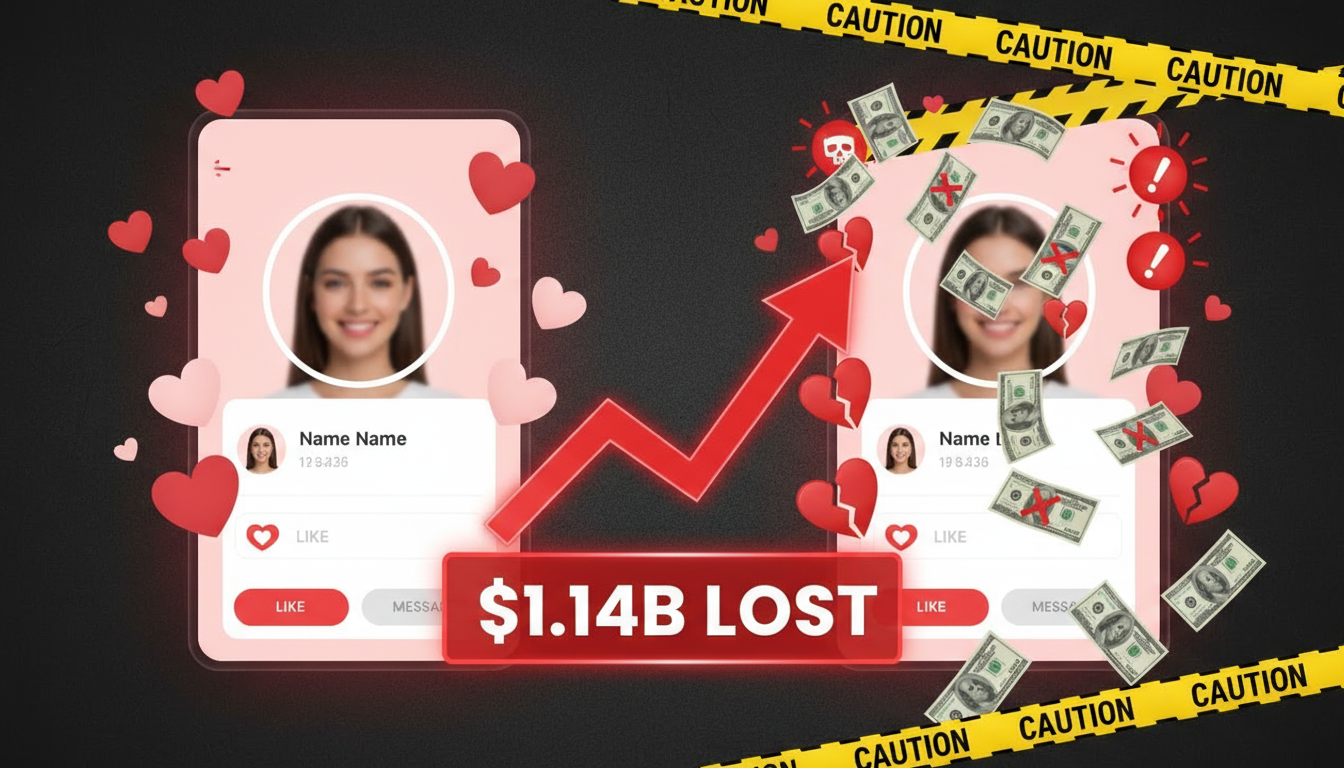
The Federal Trade Commission reports that people lost $12.5 billion to scams in 2024, up $2.5 billion from the previous year. Many of these scams started with fake websites that looked completely legitimate.
Free Website Scam Checker Tools You Can Use Right Now
Before diving into manual checks, try these reliable website scam checker tools:
Google Safe Browsing is built into most browsers and automatically warns you about dangerous sites. You can also check any URL manually through Google’s Transparency Report.
URLVoid scans websites against multiple security databases to identify potentially malicious sites. It’s free and gives you detailed reports about a site’s reputation.
ScamAdviser analyzes websites for fraud indicators and provides trust scores based on various factors like domain age and owner information.
These tools are helpful, but they can’t catch every scam. That’s why you need to know how to spot red flags yourself.
8 Warning Signs That Scream “Scam Website”
1. The Domain Name Looks Suspicious
Real companies use their actual business names in their web addresses. Scammers often create domains that are nearly identical to legitimate sites, but with subtle changes.
Watch out for:
- Extra letters (amazoon.com instead of amazon.com)
- Different extensions (.net instead of .com)
- Hyphens where they shouldn’t be (pay-pal.com)
- Subdomains that try to trick you (paypal.secure-site.com)
Always double-check the URL before entering any personal information.
2. The Site Has Poor Design and Spelling Errors
Legitimate businesses invest in professional websites. If you notice obvious spelling mistakes, broken images, or a design that appears to have been created in 1995, be cautious.
Look for:
- Multiple spelling and grammar errors
- Pixelated or low-quality images
- Inconsistent fonts and colors
- Broken links or missing pages
3. Contact Information Is Missing or Fake
Real businesses want customers to reach them. Scam sites often provide no contact information or only a generic contact form.
Red flags include:
- No physical address listed
- Only a contact form (no phone number or email)
- Phone numbers that go to voicemail
- Addresses that don’t exist when you check them
4. The Domain Is Brand New
Most scam websites don’t stay online long. You can check a domain’s age using Whois lookup tools. If a site claims to be an established business but the domain was registered last week, that’s suspicious.
5. Deals That Are Too Good to Be True
If a site is selling designer items for 90% off or offering incredible deals that seem too good to be true, they probably are. Scammers use unrealistic prices to lure victims.
6. Strange Payment Methods
Legitimate businesses typically accept standard payment methods, including credit cards and PayPal. Be wary of sites that only accept:
- Wire transfers
- Cryptocurrency
- Gift cards
- Money orders
- Prepaid cards
These payment methods are hard to reverse if you get scammed.
7. No Reviews or All Fake Reviews
Check for reviews on the site and search for the company name online. Be suspicious if:
- There are no reviews anywhere
- All reviews are five stars with generic comments
- Reviews were all posted on the same day
- Reviewers have similar names or writing styles
8. Missing Security Features
Look for these security indicators:
- HTTPS (the padlock icon in your browser)
- Privacy policy and terms of service
- Secure checkout process
- Trust badges from recognized companies
If these are missing, don’t enter personal information.
How to Use Social Catfish for Website Verification
When you’re unsure about a website, Social Catfish can help you investigate further. Our platform specializes in uncovering online fraud and can help you verify if a business or website is legitimate.
You can use our reverse image search to check if product photos are stolen from other sites. Our search specialists can also assist in investigating suspicious websites and businesses.
For complete online safety, consider using our digital footprint checker to see what information about you is available online.
What to Do If You Think You’ve Found a Scam Website
If you suspect a website is fraudulent:
- Don’t enter any personal information
- Close the browser tab immediately
- Run a virus scan if you clicked on anything
- Report the site to the FTC at ReportFraud.ftc.gov
- Warn others by leaving reviews or social media posts
If you have already entered information on a scam site:
- Contact your bank immediately
- Change your passwords
- Monitor your credit reports
- Consider freezing your credit
Advanced Scam Website Detection
For those who want to dig deeper, here are additional verification methods:
Check the site’s SSL certificate by clicking the padlock icon in your browser. Legitimate sites have valid certificates from recognized authorities.
Look up the business registration in the state where they claim to be located. Many scam sites claim to be registered businesses but aren’t.
Search for the company on social media. Real businesses typically maintain an active social media presence, featuring regular posts and engaging with customers.
Use the Wayback Machine to see if the website has undergone significant changes over time or if it has been used for different purposes.
Common Types of Scam Websites to Watch For
Understanding different types of fraudulent sites can help you stay alert:
Fake shopping sites offer products at impossibly low prices. They either steal your payment information or send counterfeit goods.
Phishing sites mimic legitimate login pages for banks, social media, or email providers to steal your credentials.
Tech support scams create fake error messages and pop-ups claiming your computer is infected, then charge you for unnecessary “fixes.”
Investment scams promise unrealistic returns and use fake testimonials to appear credible.
For more information about specific scam types, check out our guides on fake shopping websites and FTC scam warnings.
Building Your Scam Detection Skills
The best website scam checker is your own knowledge and intuition. Trust your gut – if something feels off about a website, it probably is.
Stay informed about the latest scam tactics by following reputable resources, such as the FTC’s consumer alerts and security blogs. Scammers constantly evolve their methods, so staying educated is crucial.
Remember that legitimate businesses strive to establish trust with their customers. They provide clear contact information, have professional websites, and use secure payment methods. When in doubt, research the company through multiple sources before making any purchases or sharing personal information.
Your Next Steps for Online Safety

Don’t let scammers catch you off guard. Bookmark reliable website scam checker tools and remember these warning signs. When shopping online, take a few extra minutes to verify a site’s legitimacy – it could save you hundreds or thousands of dollars.
For total scam protection and investigation services, explore what Social Catfish can do for you. Our team of experts can help verify suspicious websites, investigate online fraud, and protect your digital identity.
Stay safe online by staying informed, staying skeptical, and always trusting your instincts when something doesn’t feel right.