 Multiple Faces Detected


 December 17th, 2024
What Is a Scam Website Checker and Why Use One?
How do you know a fake website? A scam website checker is a tool that can help you determine this. It points out if a site protects your data using encryption or its level of verification certificate.
Currently, numerous free and valuable scam website checkers are at your disposal.
You need scam website checkers because criminals have gone to the extent of building fake bank websites. These platforms are key parts of fraud globally and are getting more prevalent by the minute.
According to a report produced by the Anti Phishing Working Group (APWG), in the first half of 2023 alone approximately 3 million fake websites were flagged.
These websites mimic legitimate organizations’ login pages, package delivery requests, and password reset pages.
However, when you use them any information you enter is leveraged by scammers to commit crimes such as fraud or identity theft.
How Scam Websites Operate and Common Warning Signs
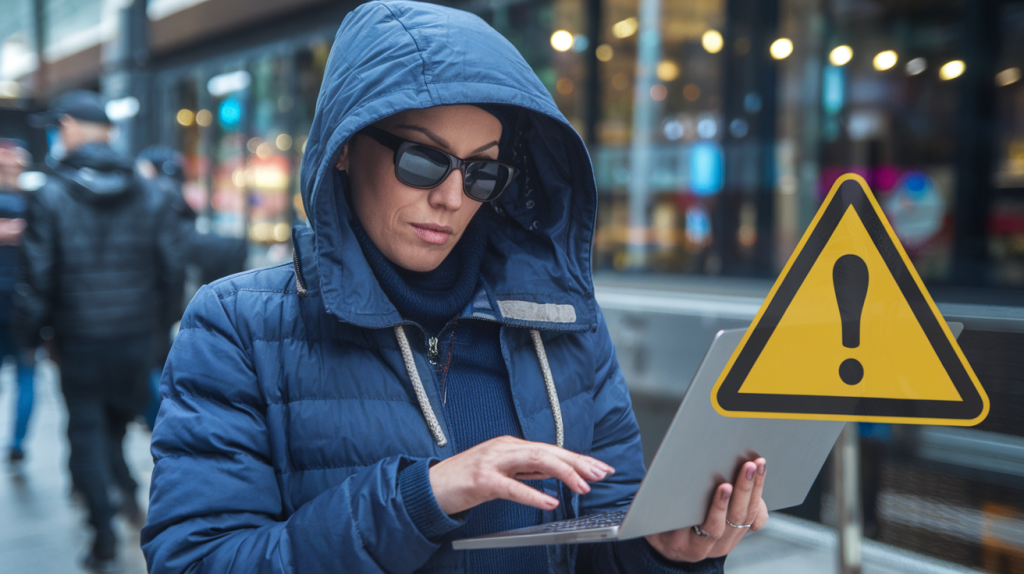
Scam websites use different methods to operate. Publishing false information and also promising excessive rewards are among their common tactics.
Their main goal is to mislead you into revealing your personal information. Such websites operate in standalone or pop-up forms.
In addition, scammers can use clickjacking to illegally advertise their fake platforms on legitimate websites. They use these methods to reach an audience and attract unknowing victims.
Some victims share their account passwords, payment details, and identification information. Others give access to malware on their devices. In other cases, they pay for counterfeit or non-existent products.
While it can be hard to differentiate fake websites from legitimate ones, the following common warning signs can help you:
1. Phishing Sites Disguised as Trusted Brands
It is common to see messages that claim to be from your trusted brands such as Netflix, or your bank. Such messages are often accompanied by links that scammers use for phishing.
When you click the link and enter your password they go straight to the fraudsters. You need to master the identity of the brands you use to avoid being misled.
2. Fake E-commerce Stores
Fake websites can masquerade as e-commerce stores with deals that are too good to be true.
Scammers use incredible deals to attract potential victims and market their services on social media where they know millions of people operate.
You need to think twice when the deal is too good.
3. Unsecured or Suspicious Payment Platforms
Another telltale sign of a fake website is an unsafe payment platform.
Scammers can manipulate you into thinking their sites are legit. Always remember to countercheck the login pages and payment sites before proceeding.
A fake website places you at risk of downloading malicious links that can give access to scammers getting your private information or spying on you.
Top Tools to Verify the Legitimacy of Websites
There are good resources you can use to verify if a website is legitimate and safe to visit. They include:
a). Social Catfish Scam Website Checker
Social Catfish is a free and effective tool that can help you determine the safety of a website.
It is designed using advanced technology that conducts in-depth checks to analyze things like data protection encryption and site verification.
In addition, it is also user-friendly as it is easy to navigate.
A high volume of user records and positive feedback add to its reliability as a good scam website checker.
b). Google Transparency Report
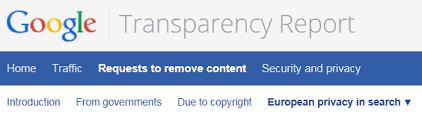
A product of Google, the Google Transparency Report is a scam website checker that works by sharing data that highlights if a site’s status is safe for browsing.
Analyzing billions of URLs per day, the tool discovers unsafe sights and warns users in web browsers.
It is easy to use as you are only required to search on Google and you will see a warning if the site is dangerous to visit.
c). URLVoid
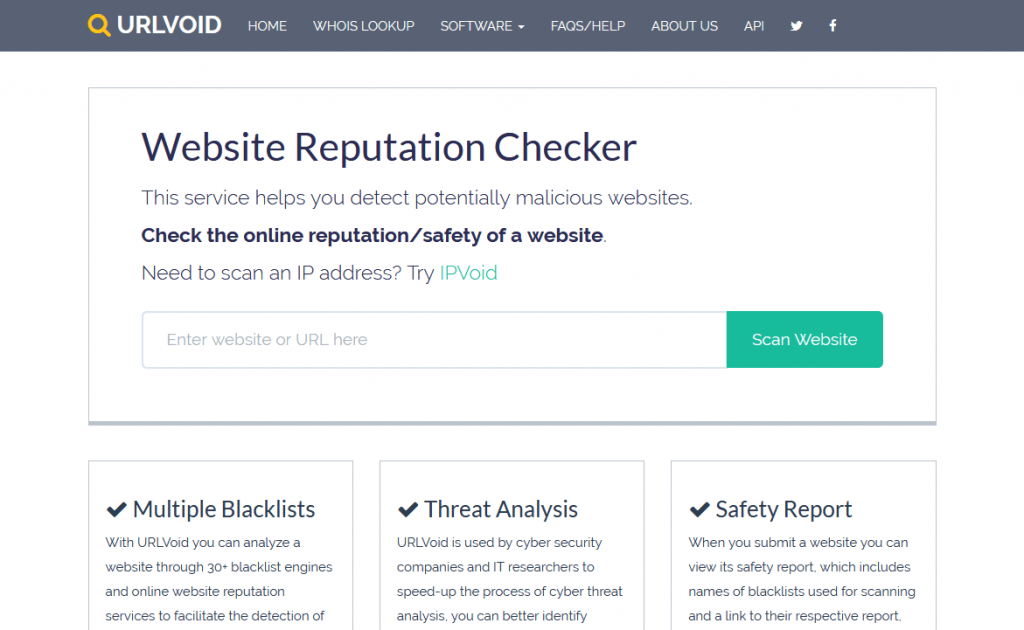
This is another good scam website checker that works by scanning URLs to identify dangerous sites. It has a database of fake websites that help users to avoid visiting them.
URLVoid works by checking the reputation of a website, therefore, enabling you to detect potential malice.
Most importantly, when you submit any data, the platform shares it with other security companies, helping more people evade being scammed.
d). Whois Lookup Services
Another great scam website checker is WHOIS lookup. This tool can check registry servers and fish out fake sites.
When conducting a search operation, it displays information about registered domains and IP addresses.
For instance, when you search for domain name registration results, you can see a wide range of information including the person it is registered under.
Steps to Check if a Website Is Safe to Use
The rising number of scam websites makes it difficult to know the safety of the ones you want to use.
However, you can learn how to stay safe online and avoid visiting scam websites.
You can follow the guiding steps below to protect yourself.
ii). Analyze the URL for Red Flags
You can easily identify scam websites by checking their URLs. Malicious links are characterized by a high number of hyphens and symbols.
The domain names of legitimate websites often lack symbols and hyphens. As a result, scammers usually include them in legitimate brand URLs to trick you into clicking them.
For example, they can manipulate Netflix’s link from www.netflix.com to www.net-fIix.com.
iii). Check HTTPS and Security Certificates
Another easy way to determine if a website is safe is by checking if the link starts with https. If it does, then it means that the site is SSL-encrypted.
Additionally, a safe website has a padlock icon beside the address bar. The padlock icon has more details about the site’s security certificates.
iv). Look for Reviews and User Feedback
When visiting any website, you should make an effort to look for its reviews and feedback. Scammers usually post fake reviews on their websites to look more legitimate.
However, you might find real customers who might have been scammed warning potential victims about their experience.
In more complex cases, scammers usually build fake bots in their scam websites to offer fake reviews and build credibility. However, these reviews can also be easy to identify.
They can be relatively new, lack specific details contain overly specific information, and also can all be identical.
Tips to Protect Yourself from Scam Websites
While scam websites can be hard to identify, following specific tips can help you to protect yourself. First, be on the lookout for any red flags in the website’s URL.
Also, ensure that any website you visit has a padlock symbol indicating a secure browsing site. In addition, check the customer reviews section to identify any malice.
Moreover, make a habit of researching if a company is legitimate before making any purchases. Another tip that can save you is to avoid any deals that seem too good to be true.
In any case, be wary of providing personal information on an unsafe website. Lastly, always use a trusted scam website checker to identify safe websites.
Final Thoughts
Protecting yourself online starts with staying informed and using the right tools to verify website authenticity.
Whether you’re shopping, researching, or engaging with new platforms, ensuring the legitimacy of a website is crucial for safeguarding your personal and financial information.
Reliable scam website checkers are an essential part of your online safety toolkit.
They offer the ability to detect potential threats before they impact you.
Tools like a social catfish can help you avoid potential threats and ensure you’re interacting with genuine sites.
Stay proactive in safeguarding your personal and financial information to enjoy a secure online experience.