
 Multiple Faces Detected


 September 20th, 2025
You swipe right. They seem perfect. Too perfect, maybe?
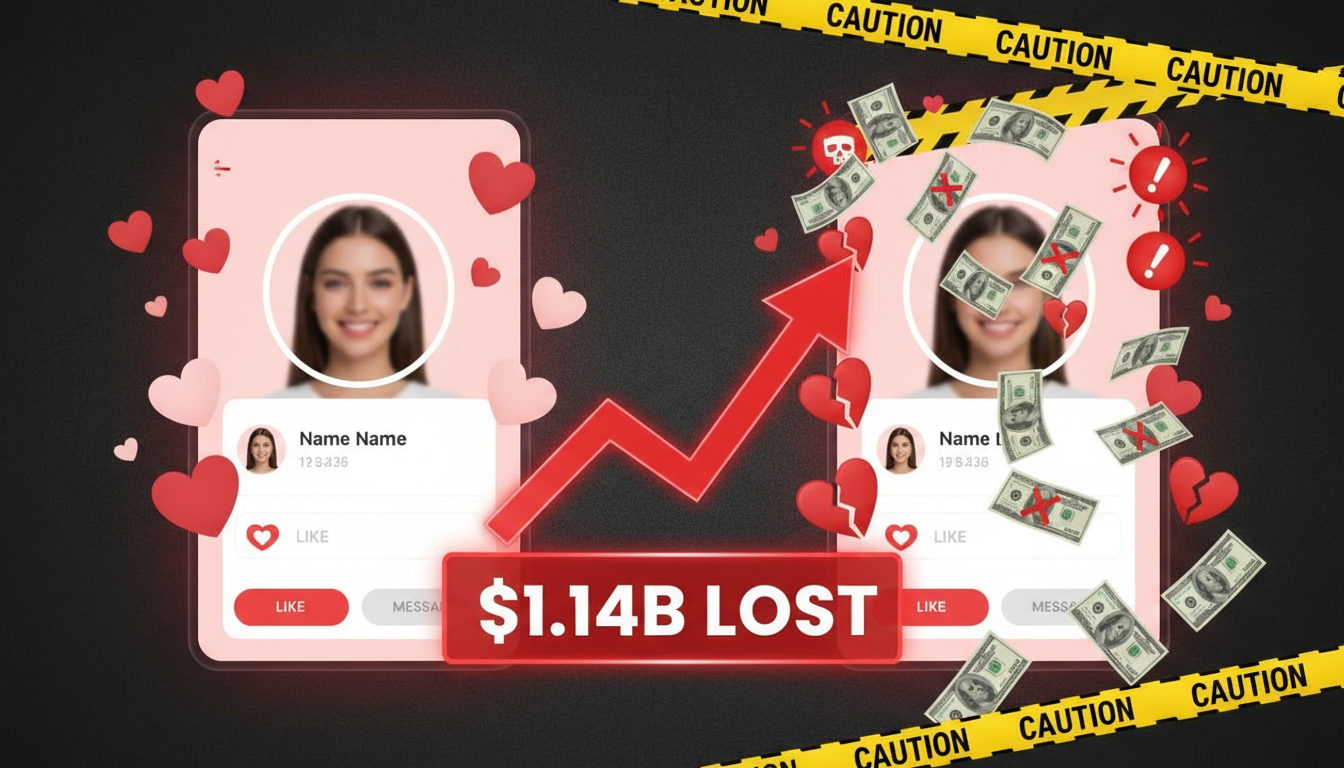
In today’s digital dating world, the phrase “trust but verify” has never been more relevant. Romance scammers stole $1.14 billion from victims in 2023 alone, according to the Federal Trade Commission. That’s billion with a “B.” And those are just the reported cases.
The harsh reality? Nearly two-thirds of internet users claim they’ve encountered a catfish. Even more shocking: 57% of online daters admit to lying to their matches. When ‘trust but verify’ becomes your dating mantra, you’re not being paranoid. You’re being smart.
But here’s the thing about catfishing – it’s not always about money. Sometimes it’s about emotional manipulation. Sometimes it’s about building fake relationships for psychological reasons. And sometimes, it’s just someone who’s lonely and desperate for connection. Whatever the motive, the result is the same: you get hurt.
The New Reality of Online Romance

Dating apps have revolutionized how we meet people. However, they’ve also created a Code Playground that caters to scammers and catfishers. Between 2019 and 2022, catfishing cases rose 174%. That’s not a typo.
The trust but verify approach isn’t about being cynical. It’s about protecting yourself while staying open to genuine connections. Because real love does happen online – you just need to know how to spot the fake stuff first.
Think about it this way: you wouldn’t buy a car without checking under the hood. Why would you invest your heart (and potentially your wallet) without doing some basic verification?
Red Flags That Scream “Catfish”
When you trust but verify, you’re looking for patterns that confirm your trust. Catfishers follow predictable scripts because, frankly, they work.
They avoid video calls like the plague. Always an excuse. Camera’s broken. Too shy. Bad connection. If someone can text you paragraphs but can’t manage a 30-second video call, that’s a red flag the size of Texas.
Their photos look too professional. We’re talking magazine-quality shots—multiple angles. Perfect lighting. Real people have awkward selfies and blurry group photos. Scammers steal pictures from models, actors, and social media influencers.
They fall in love fast. Like, really fast. We’re talking “I love you” within days or weeks. Real relationships take time to develop. Psychological manipulation in online communities often involves love bombing – overwhelming you with affection to lower your guard.
They have sob stories. Sick relatives. Financial emergencies. Stuck overseas. According to the FTC, 24% of romance scammers claim they or someone close to them is sick. It’s a classic manipulation tactic designed to trigger your sympathy and open your wallet.
The Art of Digital Detective Work
Here’s where trust but verify gets practical. You don’t need to hire a private investigator. You just need to use the tools at your disposal.
Reverse image search is your best friend. Take their photos and run them through Google Images or TinEye. If the same photo appears with different names or on stock photo sites, you’ve got your answer. Social Catfish’s reverse image search can help you dig deeper into suspicious photos.
Check their social media presence. Real people have digital footprints. They have friends who comment on their posts. They have photos from different time periods. They have that embarrassing photo from 2019 they forgot to delete. Fake profiles are often sparse or too perfect.
Ask specific questions about their location. If they claim to live in Chicago, ask about their favorite deep-dish place. If they claim to be from Texas, mention a local landmark. Scammers often use generic responses or change the subject.
When Money Enters the Conversation
This is where trust but verify becomes non-negotiable. The moment someone you’ve never met asks for money, you’re dealing with a scammer. Period. End of story.
But modern scammers are getting sneaky. They don’t always ask directly. Instead, they might:
- Mention financial troubles casually
- Ask you to receive packages for them
- Suggest “investment opportunities”
- Request gift cards for “emergencies”
Common scammer messages often follow these patterns. They’re designed to seem innocent at first, then escalate gradually.
The Psychology Behind the Scam
Understanding why people fall for catfishing helps you avoid it. Deception and manipulation are effective because they exploit fundamental human needs: connection, validation, and love.
Scammers are patient. They build relationships over months. They remember details about your life. They provide emotional support during tough times. By the time they ask for money, you feel like you know them.
But here’s the truth: you don’t know them. You know a character they’ve created.
Platform-Specific Risks
Different dating platforms have other risks. POF scams are particularly common because the platform has fewer verification measures in place than some of its competitors.
But don’t think premium platforms are immune. Scammers target all dating sites because that’s where the victims are. The key is knowing how to verify someone’s identity regardless of where you meet them.
Trust but Verify: Practical Steps
Ready to put trust but verify into action? Here’s your game plan:
Start with basic verification. Google their name. Check their social media. Look for consistency across platforms. Real people have messy, imperfect digital lives.
Use reverse image searches. This takes 30 seconds and can save you months of heartache. If their photos appear elsewhere with different names, you have your answer.
Insist on video calls early. Don’t wait weeks or months. If they’re real, they’ll understand. If they’re fake, they’ll make excuses.
Ask for verification photos. Request a photo of them holding a sign with your name or the current date. Scammers can’t easily fake this.
Meet in public quickly. Real people want to meet. Scammers will always have excuses. If they can’t meet within a reasonable timeframe, move on.
When Professional Help Makes Sense
Sometimes trust but verify requires professional tools. Social Catfish offers comprehensive background checks and verification services that go beyond basic Google searches.
Their platform can help you verify identities, check criminal backgrounds, and even find hidden social media profiles. When you’re serious about someone, a cyber background check provides peace of mind that basic searches can’t match.
Think of it as insurance for your heart and your wallet.
Building Genuine Connections Safely
Trust but verify doesn’t mean being paranoid about everyone you meet online. It means being smart about how you approach digital relationships.
Real people understand the need for verification. They won’t be offended if you want to video chat or meet in person. They won’t pressure you to move conversations off the dating platform immediately. They won’t ask for money, gifts, or personal financial information.
When you find someone genuine, the verification process actually strengthens your connection. It shows you’re both serious about building something real.
Moving Forward with Confidence
The goal isn’t to avoid online dating. It’s to navigate it safely. Trust, but verify, provides a framework for building genuine connections while protecting yourself from scammers.
Remember: legitimate people have nothing to hide. They understand your caution. They want to meet in person. They don’t need your money or your personal information.
When you trust but verify, you’re not closing yourself off to love. You’re opening yourself up to the right kind of love – the kind built on honesty, transparency, and genuine connection.
Stay smart, stay safe, and don’t let the scammers win. Your perfect match is out there, and they’ll be happy to verify their identity because they want to build something real with you.