
 Multiple Faces Detected



 January 22nd, 2026
You thought you found someone generous. Someone who wanted to help. Maybe they messaged you on Instagram or TikTok with promises of cash, gifts, or a better life. You talked for days, maybe weeks. They seemed real.
Then they asked for something. Money upfront. Gift cards. Banking details. Or photos. Intimate ones.
And now they’re gone.
If this sounds familiar, you’re not alone. The sugar daddy scam has exploded across social media and dating apps, targeting people who are just trying to get by or looking for a connection. These scammers are professionals. They know how to build trust fast, make you feel special, and then disappear the moment they get what they want.
But here’s the thing: what you do next matters. A lot.
This guide will walk you through exactly what to do if you’ve already sent money or photos in a sugar daddy scam. We’ll cover how to protect yourself, who to contact, and how to avoid falling for it again.
What Is a Sugar Daddy Scam?

A sugar daddy scam happens when someone pretends to be a wealthy benefactor online. They promise money, gifts, travel, or financial support in exchange for companionship or attention. But it’s all fake.
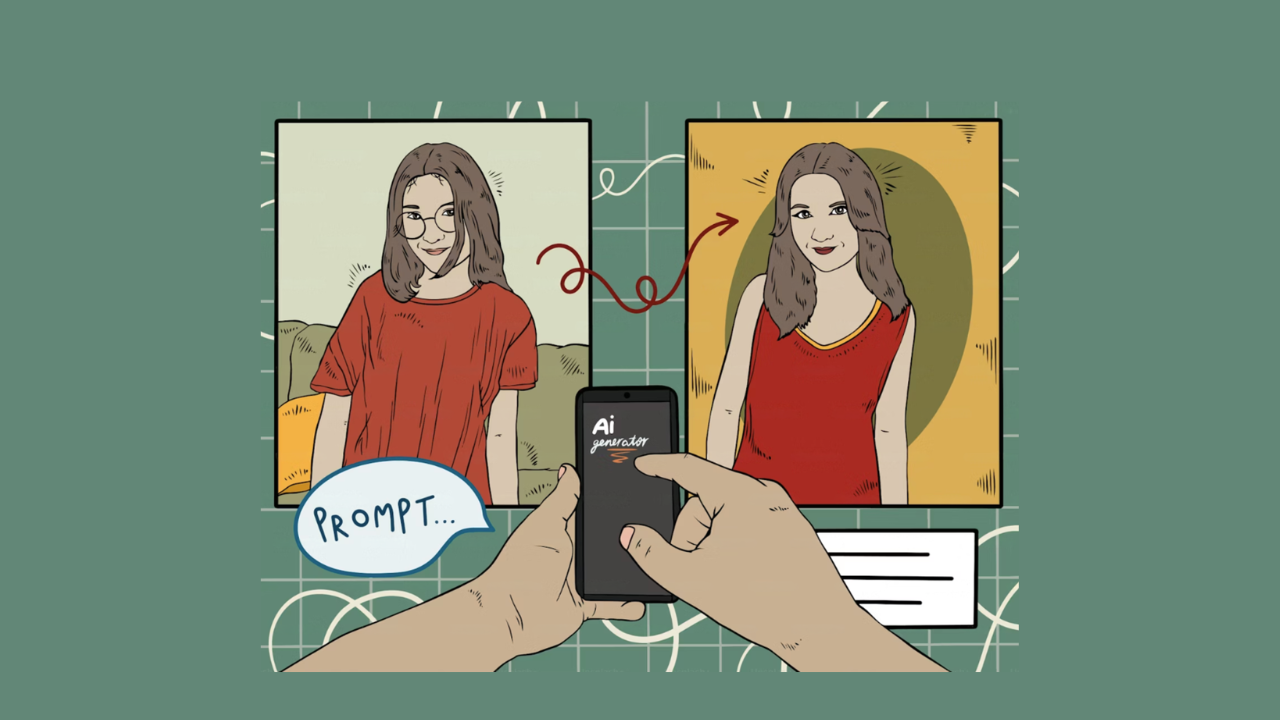
These scammers operate on platforms like Instagram, TikTok, Snapchat, and dating apps. They create polished profiles with luxury cars, expensive watches, and vacation photos. Some even steal images from real influencers or models to look more convincing.
Once they hook you, they flip the script. Instead of sending you money, they ask you to send them something first. A “loyalty test.” A “processing fee.” Or they send you a fake check and ask you to return part of it.
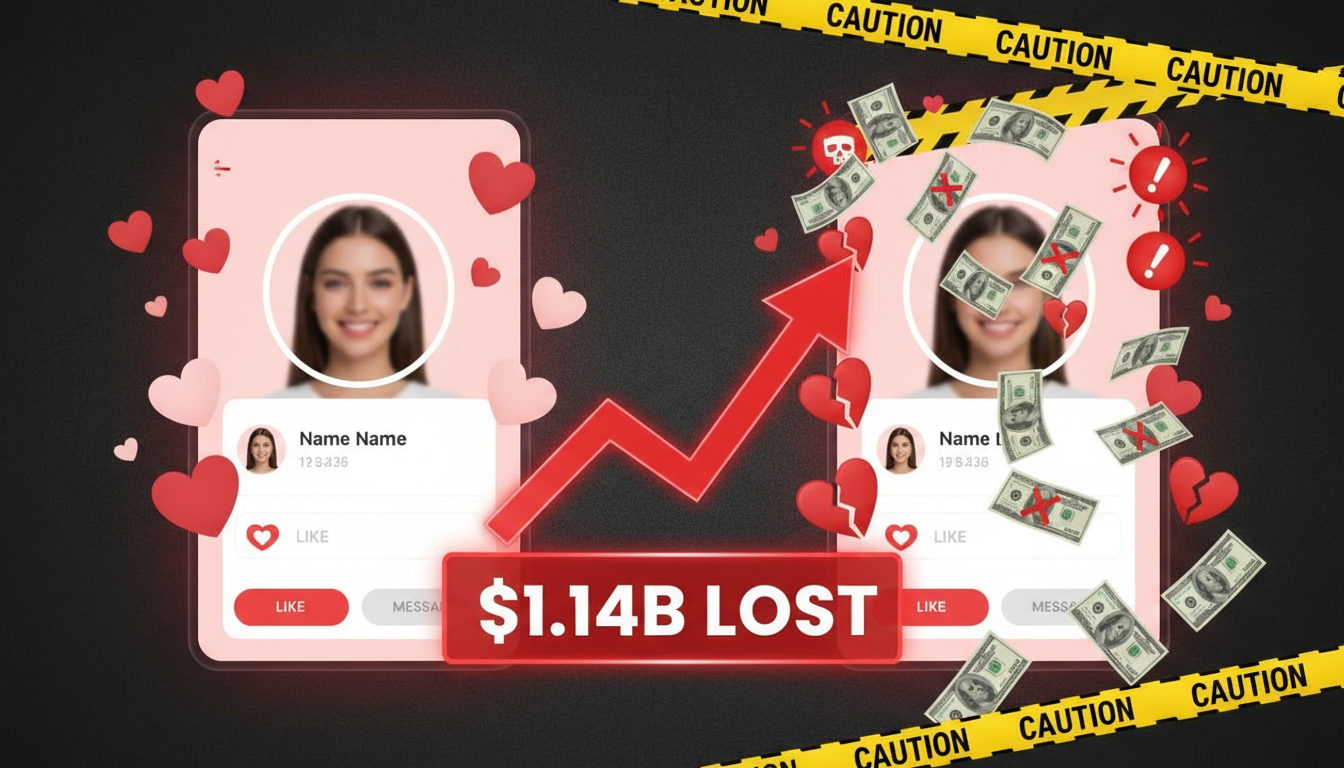
According to the Federal Trade Commission (FTC), romance scams cost Americans over $1.3 billion in 2022. And sugar daddy scams are a growing part of that number.
How the Sugar Daddy Scam Works
Here’s how most sugar daddy scam schemes unfold:
They find you on social media. Instagram, TikTok, and dating apps are their hunting grounds. They look for people who post about needing money, struggling with bills, or wanting a better lifestyle.
They reach out with compliments. The messages start friendly. Flattering. They call you beautiful, smart, or special. They ask about your day. They listen.
They promise financial support. After a few days of chatting, they offer to be your sugar daddy. They promise weekly allowances, paid bills, or expensive gifts. It sounds too good to be true because it is.
They ask for something first. This is where the scam kicks in. They might ask you to:
- Send money via gift cards, Cash App, or Venmo as “proof of loyalty”
- Provide your bank account details so they can “deposit” your allowance
- Cash a check they send you, and wire part of it back
- Send nude photos or intimate videos before they “commit”
They disappear. Once they get what they want, they block you. Delete their account. Vanish.
And you’re left dealing with the fallout.
If you’ve been targeted by someone online and aren’t sure if they’re real, Social Catfish’s reverse image search can help you verify their identity in seconds.
What to Do If You Sent Money in a Sugar Daddy Scam
If you’ve already sent money, act fast. Time matters.
Contact your bank or payment app immediately. If you sent money through Venmo, Cash App, Zelle, or PayPal, report the transaction as fraudulent. Some platforms allow you to dispute payments or freeze accounts. The sooner you report it, the better your chances of getting your money back.
Report the scam to the FTC. File a report at ReportFraud.ftc.gov. This helps authorities track scam patterns and may assist in investigations.
If you sent gift cards, contact the retailer. Call the customer service number on the back of the card. Provide the card number and receipt if you have it. Some retailers can freeze the card before it’s used.
Freeze your credit. If you gave out personal information, such as your Social Security number or bank account details, freeze your credit with the three major credit bureaus: Equifax, Experian, and TransUnion. This prevents scammers from opening accounts in your name.
Change your passwords. Update passwords for your email, social media, and banking apps. Use strong, unique passwords for each account.
Document everything. Save screenshots of messages, payment receipts, and profile information. This evidence can help law enforcement and financial institutions.
If you’re worried someone is using your photos or personal information elsewhere online, Social Catfish can help you track down where your images are being used.
What to Do If You Sent Nude Photos or Intimate Content
This is one of the most painful parts of a sugar daddy scam nude situation. You trusted someone, and now they have private images of you.
Here’s what to do:
Do not send more photos. Even if they threaten you or promise to delete what they have, don’t comply. Scammers often use this as leverage to get more content.
Report the account immediately. On Instagram, TikTok, Snapchat, or any platform where the scammer contacted you, report their profile for impersonation, harassment, or fraud. Most platforms take these reports seriously.
Contact the platform’s safety team. If the scammer threatens to share your photos, reach out to the platform’s trust and safety team. Many social media sites have policies against non-consensual sharing of intimate images and will remove such content.
File a police report. Sextortion and blackmail are crimes. Contact your local police department and provide all evidence you have. They may be able to work with federal agencies if the scammer is operating across state lines or internationally.
Reach out to the Cyber Civil Rights Initiative. Visit cybercivilrights.org for resources and support if you’re dealing with threats or image-based abuse.
Talk to someone you trust. This kind of scam can feel isolating and shameful. But you’re not alone, and it’s not your fault. Reach out to a friend, family member, or counselor.
If you’re being blackmailed or harassed online, Social Catfish’s background check tools can help you identify who’s behind the fake profile.
Red Flags of a Sugar Daddy Scam
Knowing the warning signs can help you avoid future scams. Watch out for these red flags:
- They contact you out of nowhere. Real sugar daddies don’t randomly DM strangers on Instagram or TikTok.
- They ask for money before giving any. Legitimate arrangements don’t require upfront payments.
- They refuse to video chat. If they won’t get on a call or keep making excuses, they’re hiding something.
- They push you to move off the platform. Scammers want to chat on WhatsApp, Telegram, or text so there’s no record.
- Their profile looks too perfect. Stolen photos, luxury cars, private jets. It’s all part of the act.
- They send fake payment screenshots. PayPal “pending” deposits or doctored bank transfers are common tactics.
If something feels off, trust your gut. Run their photos through a reverse image search to see if they’re stolen.
How to Protect Yourself from Sugar Daddy Scams
Prevention is your best defense. Here’s how to stay safe:
Never send money to someone you haven’t met in person. No matter how convincing they seem.
Don’t share personal information early. Keep your full name, address, workplace, and financial details private until you’ve verified their identity.
Use video calls to verify identity. A real person will have no problem hopping on a quick video chat.
Research their profile. Use Social Catfish’s reverse username search or reverse phone lookup to see if their information checks out.
Be skeptical of too-good-to-be-true offers. If someone promises thousands of dollars for doing nothing, it’s a scam.
Check if they’re on dating sites. Use Social Catfish’s dating profile search to see if the same person is running multiple scams across platforms.
Look for signs of fake profiles. Learn how to spot fake video chats and other catfishing tactics.
Why Social Catfish Is Your Best Defense
When you’re dealing with a potential sugar daddy scam, you need answers fast. Social Catfish specializes in uncovering the truth behind online profiles.
With tools like reverse image search, phone lookup, email search, and username search, you can verify someone’s identity before it’s too late. Whether you’re trying to find someone on dating sites or check if someone has hidden profiles, Social Catfish gives you the power to protect yourself.
Don’t wait until you’ve been scammed. Use Social Catfish to stay one step ahead.
Moving Forward After a Sugar Daddy Scam
Getting scammed hurts. Financially. Emotionally. It’s normal to feel embarrassed, angry, or violated.
But you’re not alone. Thousands of people fall for these scams every year. The scammers are skilled manipulators who prey on trust and vulnerability.
What matters now is taking action. Protect your accounts. Report the scam. And give yourself grace.
If you’re still unsure whether someone online is real, don’t take chances. Use Social Catfish’s search tools to verify their identity. It takes minutes and could save you from months of regret.
You deserve real connections. Real support. And real safety online.