 Multiple Faces Detected



 May 16th, 2025
In 2024 alone, scammers behind the Publishers Clearing House scam triggered 572 official complaints, making it the most impersonated brand of the year.
These schemes lure victims with life-changing promises, then use urgency, false authority, and emotional pressure to steal money and personal data, often leading to identity theft or falling for a phishing scam.
This article shows you exactly how lottery scam scammers operate and how to spot and stop scam calls before they cost you everything.
What Is Publishers Clearing House and Why Scammers Use It
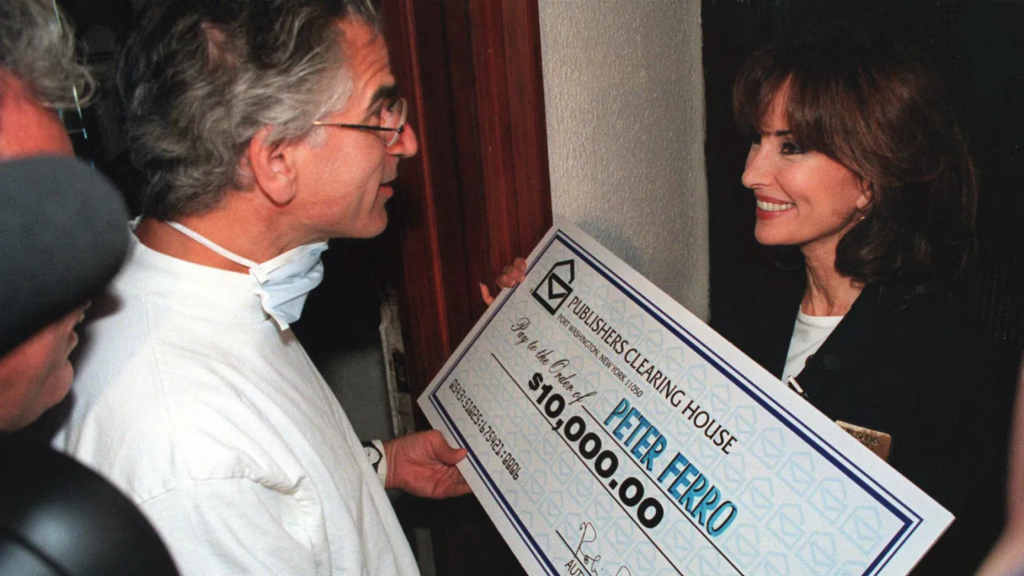
Publishers Clearing House (PCH) is a legitimate sweepstakes company that has been around since the 1950s. They run free-to-enter contests and notify winners through certified mail or in-person visits.
But here’s the catch: The company never notifies winners by phone, email, or social media, and it never asks for payment to claim a prize. And scammers count on you not knowing the difference.
Here’s why scammers frequently use the PCH name:
- It sounds official and trustworthy, even to people who have never entered a contest.
- The promise of a life-changing prize grabs attention quickly.
- The real company has had its own controversies, which add to the gray area that scammers exploit.
How the PCH Scam Actually Works
“You’ve won, but we need taxes paid first” is one of the most common lines used in these calls. It sounds routine, even bureaucratic, but it’s a trap. Scammers behind the PCH scam follow a well-rehearsed script designed to create excitement, trigger urgency, and lower your guard just long enough to steal your information or money.
Here’s how it typically plays out:
- You didn’t enter anything, but they say you won. It starts with a surprising message like, “You’ve won $7,000 a week for life!” Most people don’t remember entering a contest, but the idea of a no-strings-attached prize is powerful enough to keep them listening.
- They contact you out of the blue. Nearly 90% of the PCH scams happen over the phone, while about 10% come through email or social media messages. Some messages arrive as robocalls, others come from fake Facebook accounts posing as PCH employees. This is why it’s crucial to take steps to stop scam calls and block suspicious senders.
- The tone sounds official and urgent. Scammers often introduce themselves using fake titles like “Senior Prize Officer” or “Legal Claims Department.” They use legal-sounding jargon and may even reference sweepstakes laws to sound legitimate. Their goal is to rush you into a decision before you have time to question it.
- Then comes the ask. Once you’re emotionally hooked, they explain that you need to pay taxes, confirm your identity, or wire over a “processing fee” to receive your winnings. This is where the real danger begins.
They may ask for:
- Your bank account details
- A prepaid gift card
- A wire transfer
- Or remote access to your computer
At this point, you risk identity theft and opening yourself up to a wider phishing scam.
Types of PCH Scams (What They Look Like in Real Life)
Here are the most common versions of the PCH scam people encounter today:
1. Fake Phone Calls and Voicemails
Just like online catfishers, scammers claim to be “official” PCH representatives. Some of these scammers use recorded messages to announce your “win,” urging you to call back. These are classic lottery scam scammers, and they remain widespread despite efforts to stop robocalls.
2. Scam Texts Asking for Activation Codes
You might get a message saying your prize is waiting. And to get it, you just need to respond with a special code. In reality, this is a tactic to get you to engage and hand over personal information.
3. Social Media DMs From Fake PCH Accounts
Lottery scammers create fake profiles that mimic PCH’s branding and message victims with prize claims. These accounts often have stolen logos and bios, making them look legitimate at first glance.
4. Fake Websites That Mimic the Real PCH
Some victims are told to click a link in a text or email that leads to a fake website. These sites look official but are built to steal your data, capture login details, or launch a phishing scam.
They use the same tricks seen in other digital frauds like the SunPass toll scam, which include lookalike URLs and urgent pop-ups designed to push you into acting fast.
Before you click anything, run a reverse email lookup or facial recognition search on their photo to see if the sender is even real.
5. Fake Checks that Bounce
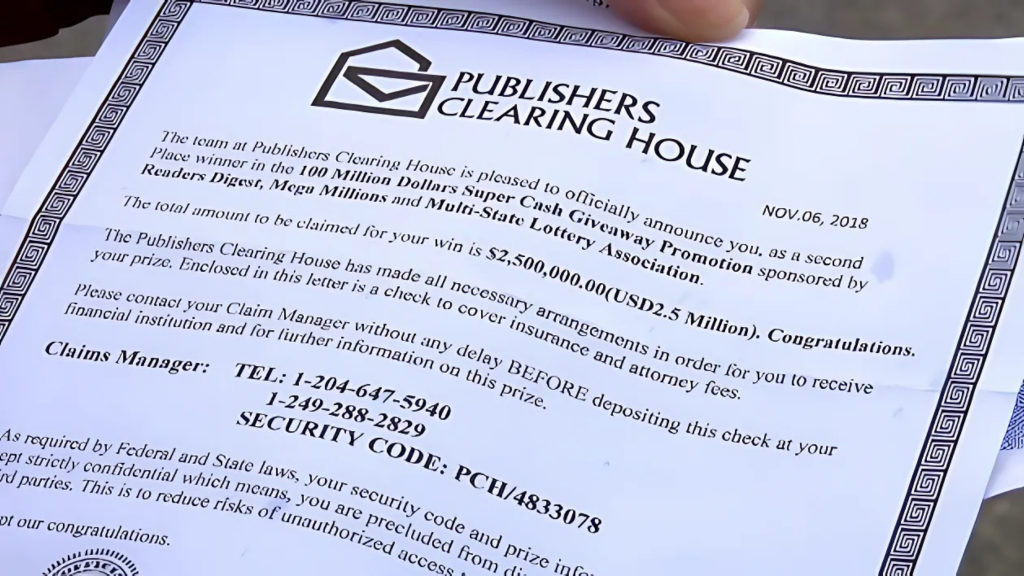
Scammers may send what appears to be a real PCH check in the mail. After you deposit it, you’re told there was an “overpayment” and asked to return a portion via wire transfer. By the time the check bounces, your money is long gone.
How to Spot and Protect Yourself from a PCH Scam
Scammers rely on speed, pressure, and confusion. Use this checklist to recognize and block them before any damage is done:
- If you’re asked to pay taxes or fees to claim a prize, it’s a scam. Real sweepstakes never charge winners upfront.
- Phone calls, DMs, or emails claiming you’ve won are not legitimate. PCH only notifies winners through certified mail or in person.
- The caller avoids giving a full name or uses a vague title like “Prize Director” or “Senior Officer.” This lack of detail is a red flag.
- You’re told to keep it secret or act quickly. Urgent phrases like “don’t tell anyone” are meant to keep you from asking for help.
- You’re directed to a fake website that mimics PCH branding. These fake pages often look real but are built to steal your data.
- If they ask for bank account access or personal details, stop immediately. This is how scammers gain access to your bank account information.
- Don’t answer unknown numbers or respond to suspicious texts. Let them go to voicemail and verify the number first by running a reverse lookup.
- Use your phone’s settings or a call-blocking app to stop robocalls, and review options from your phone carrier to prevent spoofing scams.
- Never click on links in emails or messages that promise sweepstakes winnings. These are often part of a phishing scam.
- Before replying to anyone claiming you’ve won, run a reverse search on Social Catfish to verify their identity.
What to Do If You’ve Been Scammed or Contacted by a PCH Scammer
If you’ve received a suspicious message or already engaged with a scammer, act quickly to minimize the damage.
- Stop all communication immediately and do not send money or share any personal information.
- Contact your bank to report the incident and freeze your accounts to prevent further access.
- Report the scam to the FTC, Better Business Bureau, and Publishers Clearing House’s official fraud page.
- Monitor your credit reports regularly for unusual activity and consider placing a fraud alert.
- Phone carriers have made changes to prevent spoofing scams. So, if the contact came through a spoofed caller ID, report the suspicious number right away.
- Use Social Catfish to verify the phone number, email, or social media account that contacted you.
Don’t Let a Fake Jackpot Steal Your Future
If something feels off, our Search Specialists can help. They provide one-on-one support to investigate phone numbers, emails, social accounts, and photos to help you uncover the truth and move forward with confidence.
Here’s what the user has to say about Social Catfish:
“What an incredible and amazing experience. So emotionally draining, I was at a loss until I contacted your Team. Sheridan was so kind and held our hand every step of the way! She was a true professional, and in the end, the thoroughness of your investigation brought all the truth to the surface!! The best hire EVER!! Thank YOU Sheridan and the Social Catfish Team!!!” — Jennifer.
It only takes a few minutes to get the clarity and peace of mind you need.