 Multiple Faces Detected



 January 21st, 2026
You get a video call from your boss. His face is on the screen. His voice sounds right. He needs you to transfer $25 million. Urgent. Confidential.
You do it.
Later, you find out your boss never made that call. It was Mr deepfake technology. A scammer used AI to clone his face and voice. The money? Gone. This actually happened to a finance worker in Hong Kong in 2024.
Welcome to 2025, where seeing is no longer believing. Mr deepfakes have evolved from internet novelties into weapons for fraud. Scammers are using AI to create hyper-realistic fake videos, voices, and images that can fool even trained professionals. And the problem is getting worse, fast.
What Is Mr Deepfake and Why Should You Care?
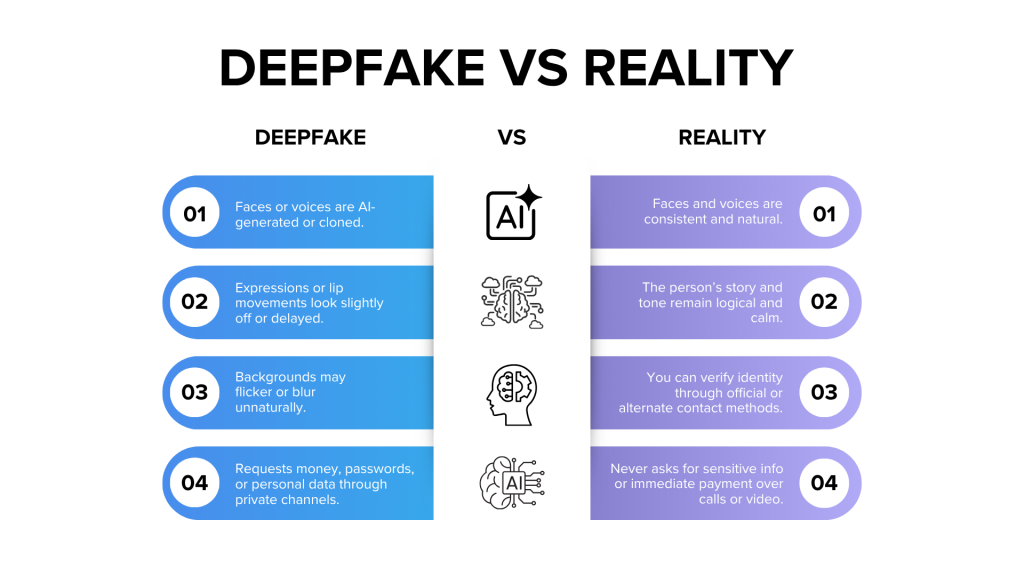
Mr deepfake refers to AI-generated media that looks and sounds authentic but isn’t. The technology uses machine learning to swap faces, clone voices, or create entirely synthetic people. What once required Hollywood-level expertise now takes a few clicks and some publicly available photos from social media.
These aren’t your typical grainy, obvious fakes. Modern Mr deepfakes can replicate someone’s appearance in real-time during video calls. They can mimic speech patterns. They can even forge government-issued IDs that pass verification systems.
1 in 20 identity verification failures is now linked to deepfake attacks. That’s a massive jump. Global fraud attempts grew 21% year-over-year, with AI-powered scams leading the charge.
The scary part? Most people still don’t know what Mr deepfakes are. A recent survey found nearly one-third of respondents had never heard the term. That makes them perfect targets.
How Scammers Use Mr Deepfakes to Steal Money
Criminals have gotten creative. Here are the most common ways they’re weaponizing Mr deepfake technology:
Business Email Compromise (BEC) Scams
This is where the $25 million heist comes in. Fraudsters impersonate company executives on video calls or in emails. They trick employees into wiring money, sharing passwords, or revealing sensitive data. The videos look real. The voices sound right. But it’s all AI.
Deepfake attacks now happen every five minutes. That’s not a typo. Every. Five. Minutes.
Romance Scams
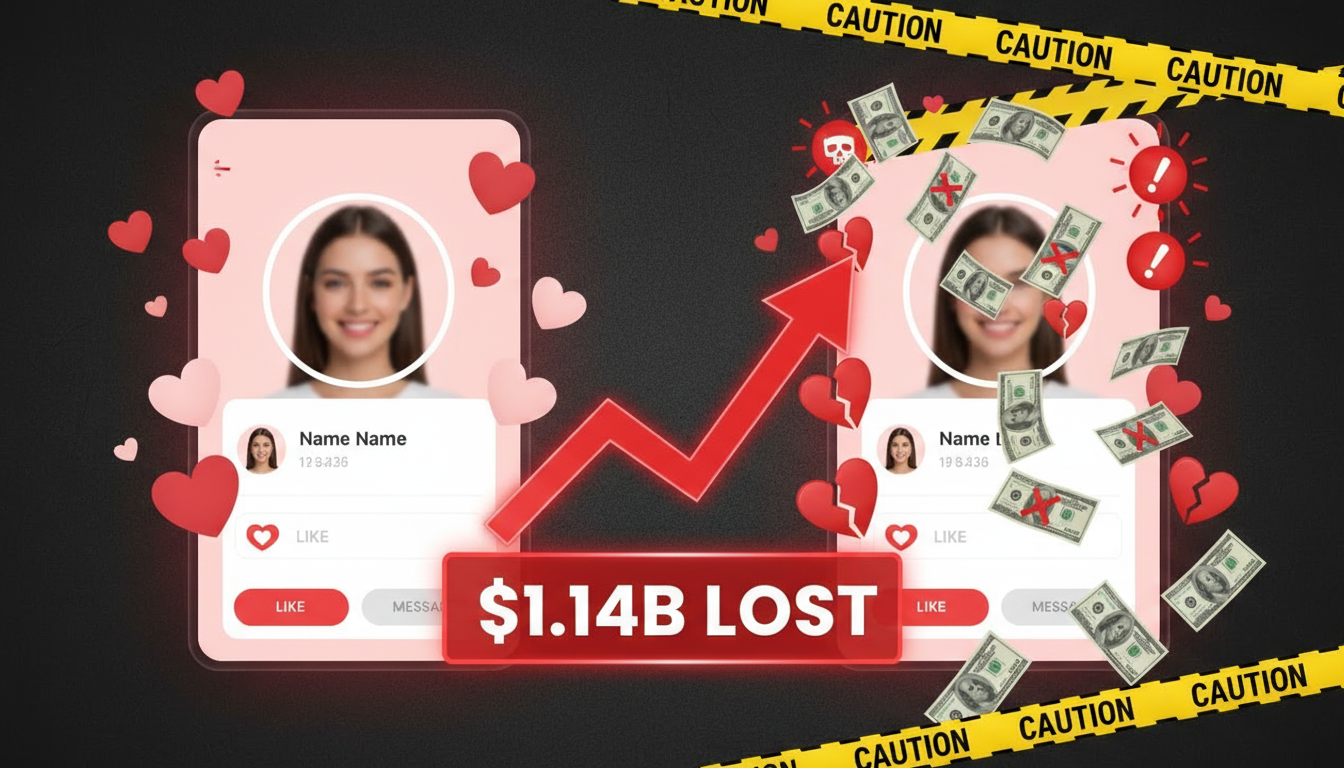
Scammers create fake identities using stolen photos, then use Mr deepfakes to “prove” they’re real during video calls. They build trust over weeks or months, then ask for money. Medical emergencies. Travel expenses. Legal fees. The stories change, but the outcome is the same: victims lose money and emotional security.
If you’re worried someone you met online isn’t who they claim to be, tools like reverse image search can help verify their photos. You can also search for hidden profiles on social networks to see if they’re using multiple identities.
Fake Family Emergencies
You get a frantic call. It sounds like your daughter. She’s been arrested. She needs bail money right now. Don’t tell anyone. Wire it immediately.
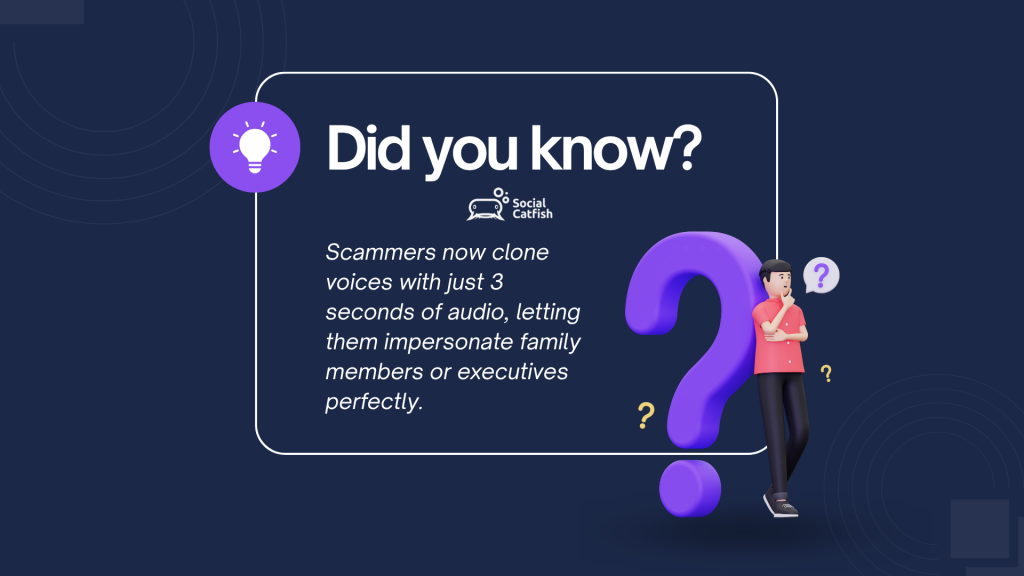
But it’s not your daughter. It’s Mr deepfakes using AI voice cloning. Scammers scrape social media for voice samples, then use generative AI to create convincing audio. The emotional manipulation works because you hear what you think is your loved one in distress.
Identity Theft and Account Takeovers
Fraudsters use Mr deepfake technology to bypass biometric security. They create synthetic IDs that match fake faces during live verification checks. Some even use real-time face-swapping software during video calls to impersonate account holders.
This isn’t science fiction. Investigative reporting from 404 Media revealed that scammers are using tools like DeepFaceLive and Magicam to change their appearance, voice, and even gender during live interactions.
How to Spot a Mr Deepfake (Before It’s Too Late)
Deepfakes are getting harder to detect. But they’re not perfect. Here’s what to watch for:
Visual Red Flags
Look at the person’s face closely. Does their blinking seem off? Do shadows fall naturally? Is the lighting consistent? Mr deepfakes sometimes struggles with these details. You might notice weird facial movements or unnatural expressions.
Pay attention to the background, too. Does it look static or blurry? Some AI tools focus on the face and neglect everything else.
Audio Clues
Listen for strange pauses, robotic tones, or unnatural speech patterns. Real people have verbal tics. They stumble over words. They breathe between sentences. AI doesn’t always nail these subtleties.
If something sounds too smooth or rehearsed, trust your gut.
Context Matters
This is your strongest defense. Ask yourself: Is this request unusual? Would my boss really demand an urgent wire transfer over video without any paperwork? Would my bank call me out of the blue asking for my password?
Scammers rely on urgency and secrecy. “Don’t tell anyone.” “Act now.” “We need this immediately.” These are pressure tactics designed to shut down your critical thinking.
If you receive suspicious calls claiming to be from official sources, learn how to tell if a phone number is real before taking action.
Protecting Yourself From AI-Driven Scams
You can’t stop scammers from trying. But you can make yourself a harder target.
Verify Before You Act
Never take a video call or voice message at face value when money or sensitive information is involved. Hang up and call the person back using a number you know is legitimate. Not the one they gave you. One from their official website, your contact list, or a recent bank statement.
Create a family “safe word” that only your loved ones know. If someone calls claiming to be in trouble, ask for the safe word. Mr deepfakes can’t fake memories.
Lock Down Your Social Media
Scammers harvest photos, videos, and voice samples from your public profiles. The less they have access to, the harder it is to impersonate you or your loved ones.
Make your accounts private. Limit who can see your posts. Don’t share detailed personal information like your full birthday, address, or phone number.
Looking for someone across platforms? Tools like finding social media accounts by phone number can help you see what information about you is publicly available.
Enable Two-Factor Authentication
Add an extra layer of security to all your accounts. Even if scammers steal your password, they’ll need a second form of verification (like a code sent to your phone) to get in.
Use Strong, Unique Passwords
Reusing passwords is like using the same key for your house, car, and safe. If one gets stolen, everything’s at risk. Use a password manager to create and store complex passwords for each account.
Stay Educated
The Federal Trade Commission (FTC) maintains a fraud reporting center where you can learn about the latest scam tactics and report suspicious activity. Knowledge is your best defense.
What to Do If You’ve Been Targeted
Maybe you’ve already fallen victim to a Mr deepfake scam. Or you suspect someone is trying to target you. Here’s what to do:
- Stop all communication immediately. Don’t send more money. Don’t share more information.
- Document everything. Take screenshots, save emails, and record phone numbers. You’ll need evidence.
- Report it to the authorities. File a complaint with the FBI’s Internet Crime Complaint Center (IC3) and your local police. Also, report it to the FTC.
- Alert your bank or financial institution. They may be able to freeze transfers or reverse fraudulent charges.
- Check your credit reports for unauthorized accounts or activity.
- Warn others. Share your experience so friends and family don’t fall for the same scam.
If you’re dealing with online dating scams or suspect you’re being catfished, specialized search tools can help uncover the truth. You can check if someone is on dating sites or run a dating background check to verify their identity.
How Social Catfish Can Help You Fight Back
Social Catfish specializes in uncovering the truth behind online identities. Whether you’re dealing with a suspected romance scam, a fake profile, or someone impersonating a loved one, their tools can help you verify who’s really on the other end.
With reverse image search, you can check if someone’s photos have been stolen or reused across multiple profiles. Their reverse phone lookup helps identify unknown callers. And their reverse email search uncovers hidden accounts tied to suspicious email addresses.
You can even use facial recognition search to find someone using just a picture. These tools cut through the deception and give you facts.
Social Catfish also offers resources on recognizing catfishing warning signs and understanding what catfishing really means. Their State of Internet Scams reports track fraud trends year over year, helping you stay informed.
If you’re worried about fake video chats, Social Catfish can help you understand the red flags. Real-time deepfakes are new, but the tactics scammers use (urgency, secrecy, emotional manipulation) haven’t changed. Being able to verify someone’s identity gives you power back.
The Bottom Line: Trust, But Always Verify
Mr deepfake technology has made it easier than ever for scammers to impersonate anyone. Your boss. Your family. A government official. Even a romantic interest you met online. But knowing what to look for and how to verify can save you thousands (or millions) of dollars and endless heartache.
Don’t assume a video call is real. Don’t believe a voice just because it sounds right. And never let urgency override your common sense.
When in doubt, verify. Always verify. Because in 2025, seeing and hearing will no longer be enough. You need proof.