
 Multiple Faces Detected



 November 13th, 2025
You open your email. There it is again. Another message from a stranger promising millions. This time it’s from someone claiming to be a diplomat, a lawyer, or maybe a widow of a wealthy official.
They just need your help. A small fee. That’s all.
Sounds ridiculous, right? But here’s the thing. People are still falling for it. Every single day. The 419 scam has been around for decades, yet it continues to drain bank accounts and ruin lives across the globe. And if you think you’re too smart to fall for it, think again.
Let’s talk about what makes this scam so effective and why it’s still one of the most successful frauds out there.
What Is a 419 Scam?
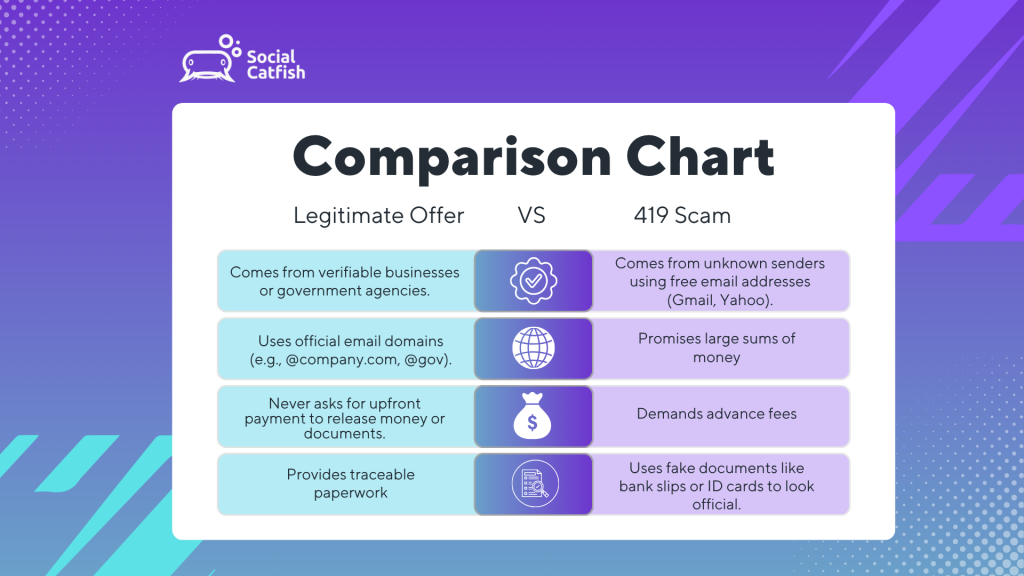
A 419 scam is a type of advance fee fraud. The name comes from Section 419 of the Nigerian Criminal Code, which deals with fraud and theft. You might also know it as the “Nigerian Prince scam” or advance fee fraud.
Here’s how it works. You get contacted by someone, usually through email. They claim to have access to a large sum of money. Could be an inheritance. It could be funds stuck in a foreign bank. They need your help to move this money, and in return, they’ll give you a percentage of the fortune.
But there’s a catch. You need to pay a small fee upfront to cover legal costs, transfer fees, or bribes. Once you send the money, they disappear. Or worse, they come back asking for more.
The Federal Trade Commission warns that these scams prey on people’s greed and willingness to believe in a lucky break.
How the 419 Scam Works Step by Step
The scam follows a pattern. And if you know the pattern, you can spot it.
First contact. You receive an unsolicited email, text, or social media message. The sender introduces themselves with a sob story or an exciting opportunity. They might claim to be a government official, a banker, or a lawyer representing a deceased client.
The bait. They tell you about a large amount of money. We’re talking millions. They need someone trustworthy to help them access or transfer the funds. And lucky you, you’ve been chosen.
Building trust. To make it look legitimate, they send official looking documents. Fake letterheads, government seals, bank statements. They might even involve other “people” like lawyers or bank officials. These are all part of the act.
The ask. Here comes the fee. They need money to process paperwork, pay for legal services, or bribe officials. It’s always framed as a small price to pay for the massive reward waiting for you.
More fees. Once you pay, new problems arise. More fees are needed. Unexpected taxes. Customs charges. Emergency expenses. The list goes on. They keep you hooked by saying the big payout is just around the corner.
The vanish. Eventually, they stop responding. Your money is gone. And so are they.
Why Do People Still Fall for the 419 Scam?
You’d think everyone would know better by now. But that’s not how it works.
Scammers are smart. They know how to manipulate emotions. Greed is a big one. The promise of millions for a small investment is hard to resist for some people. But it’s not just greed.
Sometimes it’s desperation. People facing financial struggles see the scam as a way out. Other times, it’s loneliness. Romance scams use similar tactics, building emotional connections before asking for money.
The Montgomery County Police Department notes that scammers also exploit urgency and secrecy. They tell you to act fast and keep quiet. That isolation makes it harder for victims to seek advice or recognize red flags.
And here’s another reason. The scammers deliberately include poor grammar and obvious lies in their messages. Sounds counterintuitive, right? But it filters out skeptical people. Only the most gullible respond. That saves the scammer time.
Common Types of 419 Scams
The 419 scam comes in many forms. Here are the most common ones.
Inheritance scams. You’re told you’re the beneficiary of a deceased relative’s fortune. You just need to pay fees to claim it.
Lottery scams. Congratulations. You’ve won a lottery you never entered. Pay the processing fee to collect your winnings.
Job offer scams. A company offers you a high paying job overseas. But first, you need to pay for visa processing or work permits. Learn how to spot fake job offers before sending money.
Business investment scams. Someone claims to need help investing money or transferring funds for a business deal. They promise you a cut of the profits.
Romance scams. This one’s particularly cruel. Scammers build romantic relationships online, then ask for money for emergencies or travel expenses. Nigerian romance scams have spiked in recent years, especially during the pandemic.
Charity scams. Fraudsters pose as charity workers collecting donations for disaster relief or medical emergencies.
Red Flags to Watch Out For
Spotting a 419 scam isn’t hard once you know what to look for.
Unsolicited contact. If you didn’t initiate contact, be suspicious. Legitimate businesses don’t randomly email strangers with life changing opportunities.
Too good to be true. Millions of dollars for minimal effort? Come on. If it sounds unrealistic, it probably is.
Urgency and secrecy. Scammers pressure you to act quickly and keep things confidential. They don’t want you talking to anyone who might talk sense into you.
Requests for upfront payment. No legitimate transaction requires you to pay fees before receiving money. Period.
Poor grammar and spelling. Many scam emails are riddled with errors. That’s not always a sign, but it’s worth noting.
Unverifiable contact information. Check the email address carefully. Scammers use addresses that look similar to legitimate ones but have small changes. They might also use free email services instead of official company domains.
Fake documents. Official looking papers don’t mean anything. Anyone can create fake letterheads and seals.
How Social Catfish Can Help
If you think you’re dealing with a scammer, don’t just ignore it. Investigate.
Social Catfish specializes in uncovering online fraud. Our tools help you verify identities and expose scammers before they do damage. Whether it’s a reverse image search, reverse phone lookup, or reverse email search, we give you the resources to dig deeper.
You can search for hidden profiles on social networks or find out if someone is using fake photos. Our facial recognition search technology helps identify stolen images used in scams.
And if you’ve met someone online who seems too perfect, run a dating background check. It could save you thousands of dollars and a lot of heartache.
Don’t wait until it’s too late. Social Catfish gives you the tools to protect yourself.
What to Do If You’ve Been Scammed
First, stop all communication with the scammer. Don’t send any more money.
Contact your bank immediately. If you sent money through a wire transfer or online payment service, report it right away. You might not get your money back, but acting fast increases your chances.
Report the scam to the authorities. File a complaint with the FBI’s Internet Crime Complaint Center. You can also report it to the Federal Trade Commission.
Change your passwords if you shared any personal information. Enable two-factor authentication on your accounts.
And talk to someone. Many scam victims feel embarrassed. But staying silent only helps the scammers. By reporting what happened, you help prevent others from falling into the same trap.
If you need help verifying someone’s identity or investigating suspicious activity, Social Catfish is here. We specialize in uncovering scams and protecting people from fraud.
Protecting Yourself Moving Forward
The best defense against the 419 scam is awareness.
Never send money to someone you haven’t met in person. Don’t share personal or financial information with strangers. Be skeptical of unsolicited offers, especially ones promising large sums of money.
Verify identities before engaging. Use Social Catfish’s search tools to check if someone is who they claim to be. Look them up using their email address, phone number, or photos.
Educate others. Share information about common scam tactics with friends and family. The more people know, the harder it becomes for scammers to succeed.
And remember, if something feels off, trust your gut. It’s better to walk away from a questionable opportunity than to lose your hard earned money.
Stay One Step Ahead of Scammers
The 419 scam is unlikely to disappear anytime soon. As long as people are willing to believe in easy money, scammers will continue to try. But you don’t have to be a victim.
Stay informed. Stay skeptical. And when in doubt, use Social Catfish to investigate. We’re the best option for uncovering fraud and protecting yourself from online scams. Whether you’re verifying a dating profile, checking out a suspicious email, or trying to identify a scammer, we’ve got your back.
Don’t let the 419 scam catch you off guard. Take action now and protect yourself.