
 Multiple Faces Detected


 May 14th, 2025
Mail fraud isn’t what it used to be. Scams were easier to spot in the past: misspelled letters, suspicious envelopes, and strange promises.
Today, scammers trick users using AI-generated fakes, deepfake signatures, social engineering, phishing links hidden in QR codes, and forged official documents.
In 2025, the U.S. Postal Service warned of a sharp rise in scams like phishing and smishing, where fraudsters impersonate USPS through emails and texts to steal personal information. It’s getting harder to tell what’s real and what’s a trap.
This blog breaks down how mail scams have changed, what signs to watch for, and how to protect yourself.
The Changing Face of Mail Fraud
Fraud has moved from simple letters to more advanced tricks that mix mail and digital scams. Knowing how mail fraud has changed is the first step to protecting yourself:
Personalized Targeting
Instead of random mass mailings, scammers now research their victims. They use public records, hacked databases, and social media to write messages that feel personal, making the scam much harder to spot.
Realistic-Looking Documents
Modern scam letters often include stolen company logos, fake but official-looking signatures, and polished layouts. Some even mimic the language style of government agencies or banks to build false trust.
Integration with Digital Attacks
Mail scams no longer stand alone. A letter might direct you to a fake website, include a QR code linking to a phishing page, or follow up with emails and texts. Scammers create a full experience to lower your defenses.
Abuse of New Technology
AI tools now help scammers write better, faster, and more convincing letters. They can even create deepfake documents, fake legal forms, fake refunds, or fake inheritance notices that look professional at first glance.
Aggressive Timelines
Many modern scams create fake urgency. Letters warn of “account closure,” “missed court dates,” or “unclaimed prizes” with immediate deadlines, forcing people to act quickly without double-checking the facts.
Common Types of Mail Fraud in 2025
Scammers now blend physical mail and digital tricks to create more convincing attacks. Here’s exactly how the most common scams work:
Digital Postcard Scams
Fake postcards arrive by mail or email, claiming you have a message or greeting. Inside, a QR code or link leads to malware or fake websites that steal your personal information. Some even copy real greeting card brands to seem trustworthy.
Government Impersonation Scams
Fake letters claim to be from the IRS, Social Security, or courts. They warn about missed jury duty, tax issues, or offer refunds. The goal is to scare you into giving up personal or financial information.
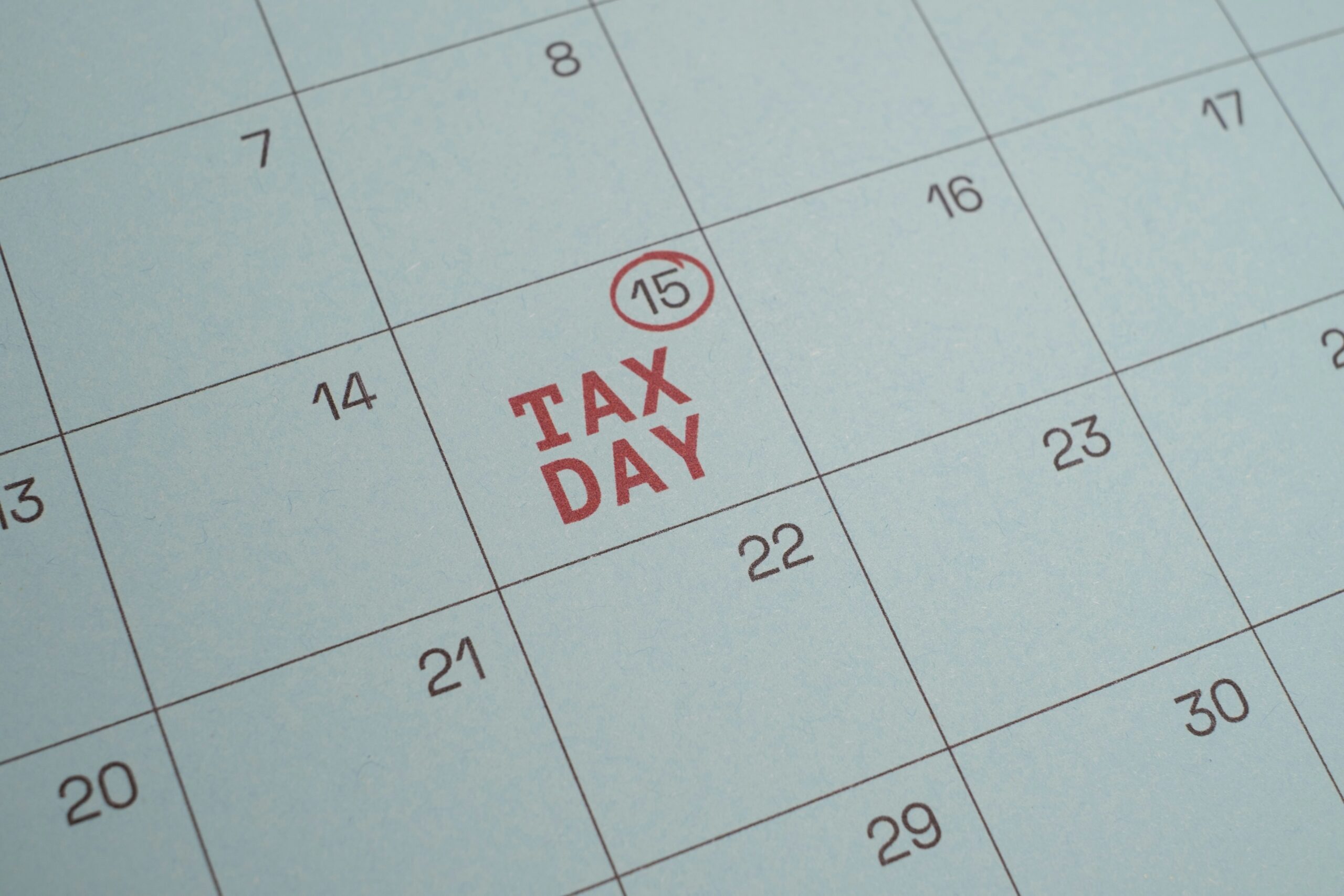
Scams tied to the IRS or Social Security often surge in early spring. Tax season is a favorite time for scammers. Fake refund letters, overdue payment notices, and phishing links flood mailboxes. That’s why it’s critical to understand how to prevent identity theft during tax season.
Some fake letters ask you to mail in a copy of your ID to “verify” your identity. Most people don’t realize the legal risks of copying your government ID, especially when the request comes from a scammer.
Package Delivery Scams
You get a fake notice from FedEx, UPS, or USPS saying you owe a small fee. The link looks official, but it steals your credit card or login details. Some scams also use fake return forms or shipping labels to reroute packages and access your accounts.
Check Washing and Physical Mail Theft
Thieves steal checks from mailboxes, erase the ink, and write new payees. With AI tools, scammers now copy handwriting to forge checks that look legitimate, making fraud harder to detect.
Online Marketplace and Return Scams
Scammers target buyers and sellers with fake refund claims, fake return labels, or phishing emails. They reroute packages, steal products, or trick victims into refunding fake payments.
Election Scams
Scammers continue to use politics as a tool for fraud. Around election season, fake letters and mail-in ballot warnings may arrive with official-looking seals or deadlines. These election mail scams often try to collect personal data or trick people into clicking links disguised as voting information.
Pandemic-Era Scams
During the COVID-19 pandemic, scammers sent out fake letters about aid, refunds, and health updates. COVID-19 stimulus check scams used fake refund forms and phishing links to steal data, a tactic that has evolved and still appears in mail fraud today.
When the second round of relief was announced, second stimulus check scams escalated, using fake government letters that mimicked IRS communication to harvest personal info.
Red Flags to Watch For Mail Fraud
Spotting these red flags can help protect you from scams that try to steal your personal information or money.
- Messages from unknown senders that pressure you to act immediately or threaten consequences
- Web links that look almost correct but have slight misspellings or unfamiliar endings
- Offers that sound too good to be true, like free money, expensive gifts, or instant rewards
Even when a letter looks official, it’s smart to pause. Understanding why you should never share personal information with unverified sources is one of the best ways to avoid being tricked.
What You Need to Do to Avoid Mail Fraud?
Take steps to protect your personal information and stay ahead of scammers.
Verifying Mail Legitimacy
Before you click or reply, check where the message came from. Find the company’s real contact info and reach out yourself. Don’t trust the numbers or links in the message. You can always use a reverse email address search to check its authenticity.
Using Technology to Fight Back
Use spam filters and anti-virus software. Mail tracking apps can warn you if something suspicious is sent to you. Always shred important papers before throwing them away because people still search through trash for information.
Reporting Suspicious Activity
Report any scam attempts to the USPS, FTC, or FBI IC3. The more reports they get, the easier it is to stop the scammers.
When you receive a suspicious letter with a photo or ID, knowing how to find someone with a picture can reveal if it’s been stolen or used elsewhere.
Real-Life Mail Scams You Should Know
Here are some of the biggest mail fraud schemes that show just how serious the risks of scams and identity theft have become:
The Graceland Deception
Lisa Jeanine Findley from Missouri tried to sell Elvis Presley’s famous Graceland home illegally. She made fake documents and forged signatures, claiming Lisa Marie Presley used Graceland as a loan guarantee. Findley was caught, admitted to mail fraud, and could face up to 20 years in prison.
Boca Raton Check Washing Scheme
In Boca Raton, Florida, scammers stole checks from mailboxes, changed the details, and cashed them for thousands. One person said their $20 check was changed to $9,300. Police are looking into more than 50 similar cases.
USPS Employees Involved in Identity Theft
In 2022, three U.S. Postal Service workers and a civilian were arrested for stealing credit cards from the mail in New York and New Jersey. They used the stolen cards to buy expensive items, some of which were sold online. The scam led to over $1.3 million in fake purchases.
Final Word
Mail fraud can cause more than just money problems. It can steal your identity, hurt your credit, empty your bank account, and cause months of stress.
If you ever get a letter or message that feels off, or if you want to double-check something before taking action, getting help from a professional can save you a lot of trouble.
At Social Catfish, our search specialists can help you check if something is real, track down scammers, and protect your information before it’s too late.
Here is what Micheal Gore, one of our clients, experienced,
“over al its a great site. love it. only reason why only 4 stars is because the image search and name look up are 2 separate plans so you have to purchase each plan separately. Which can in my opinion be a bit to pricey. otherwise i wouldve given 5 stars”