
 Multiple Faces Detected


 March 29th, 2025
Fraud is rising across the financial industry. More than 50% of banks, fintechs, and credit unions have reported an increase in business fraud, while over two-thirds have seen a rise in consumer fraud.
At some point, almost everyone needs to borrow money or access credit. Unfortunately, scammers have developed several forms of Loan Scam Chase schemes that can quickly drain your bank account.
For Chase customers, these scams often involve someone pretending to be a lender. The scammer might ask for your bank or credit card details, claiming they need the information to send you the loan. In some cases, they’ll request an upfront payment to “prove” you’re eligible.
With more fake Chase loan offers showing up, it’s wise to learn how they work and how to avoid them.
What Is a Loan Scam?
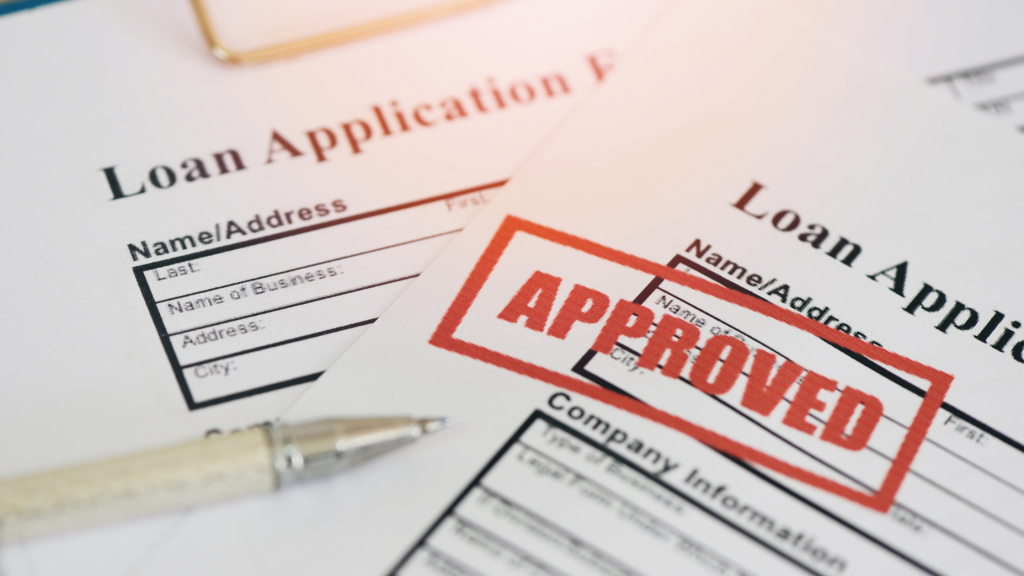
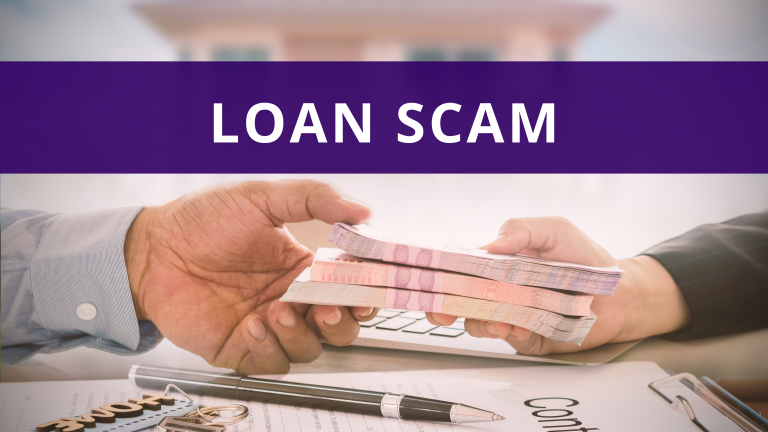
A loan scam is when someone tricks people by pretending to offer money as a loan, but their real goal is to steal money or personal information. Imagine someone saying, “I’ll give you money to buy a toy, but first, you have to give me some of your allowance.”
Then, after you give them your allowance, they disappear without giving you the promised money.
Types of Loan Scam Chase to Watch For
Here’s a closer look at the most common scams using the Chase name to steal money or personal information:
Advance Fee Loan Scams
In this common scam, you’re told you’ve been approved for a loan, but before receiving the money, you’re asked to pay an upfront fee labeled as a processing charge, insurance fee, or tax.
Once you pay, the scammer vanishes, and the promised loan never arrives. Legitimate lenders never require payment before issuing a loan.
Fake Loan Approval Scams
You receive a call, email, or text saying you’ve been approved for a loan you never applied for.
The message may sound urgent or official, often using the Chase name or logo. You’re then asked to verify your identity or pay a small “release” fee. The goal is to either steal money or gather enough personal information for identity theft.
Phishing Loan Scams
These scams use emails, texts, or fake websites that look like they’re from Chase. They may include links that take you to a login page mimicking the real Chase site.
When you enter your credentials, the scammer captures your username and password. Phishing scams are designed to take control of your real bank account.
Loan Modification Scams
This type targets people struggling with debt, especially mortgages. Scammers offer to help lower your monthly payments or modify your loan terms for a fee.
They may ask for documents or access your Chase login, claiming they’ll negotiate with the bank. Actual loan modifications go through your lender directly, never through a third party asking for money upfront.
Guaranteed Loan Scams
If someone says you’re “guaranteed” a loan without checking your credit or financial background, it’s likely a scam.
These offers appeal to people with low credit scores or recent financial hardship. No legitimate lender, including Chase, guarantees loan approval without reviewing your financial profile.
Fake Website or App Scams
Scammers can create fake versions of the Chase website or mobile app, often with slightly altered URLs or designs.
They may appear during online searches or be sent via text or email. When you enter your account details, those credentials go straight to the scammer. Always access Chase through a direct, verified link or the official app store.
Debt Consolidation Loan Scams
These scams target people trying to simplify or lower their monthly debt payments.
You may be offered a “consolidation loan” that promises to pay off your existing debt, but the scammer either takes your money or uses your personal information for fraud. They often mimic well-known banks like Chase to appear more legitimate.
Student Loan Scams
A student loan scam is when someone pretends to offer help with student loans, but their real goal is to steal money or personal information from students.
The scammer might claim to offer loans, lower payments, or loan forgiveness, but they ask for money upfront or sensitive information.
Identity Fraud
Identity fraud occurs when a scammer obtains personal details such as a person’s name, date of birth, Social Security number, or address.
They use this information to apply for a loan in your name, often without your knowledge. Victims usually find out only after seeing unfamiliar accounts or loan inquiries on their credit reports.
Why Are Chase Users Popular Targets for Fraud?
Scammers often go after Chase customers because the bank has so many users. With millions of people using Chase and lots of money in those accounts, there’s a lot of private information for scammers to try to steal.
If they pretend to be Chase, they have a better chance of tricking people into giving away personal details like account numbers or Social Security numbers.
Chase users are also tempting targets because they often have large amounts of money in their accounts, which scammers want to get their hands on.
Since Chase is a trusted bank, people are more likely to open emails that seem to come from them, even if they’re fake.
That’s why scammers keep improving their tricks, using fear and urgency to get people to act quickly. This makes it very important for Chase customers to stay careful and watch out for scams.
How Loan Scam Chase Offers Look?

Scammers send tempting loan offers to get you to pay upfront fees. Real banks like Chase won’t contact you out of the blue or ask for money upfront.
Here is how to identify a loan scam:
Unwanted Communication
Be aware of any messages saying “you’ve been pre-approved“ for a Chase Bank loan without applying first. Real banks rarely reach out unexpectedly.
Requests for Upfront Fees
One of the most obvious red flags is a request for upfront fees, such as processing charges, insurance premiums, or security deposits. Official lenders typically deduct these costs from the disbursed loan amount rather than requesting payment in advance.
Weak Grammar & Spelling Mistakes
Scam messages often have spelling mistakes, awkward wording, or weird formatting. These kinds of errors are clear signs of a scam and should make you suspicious.
For example, if you get an email that says “Congratulation! You has been pre-approve for a loan,” it’s likely not from a real bank.
Suspicious URLs or Email Addresses
Always verify the sender’s email address and any links provided. Scammers frequently use domains that resemble official ones but include slight misspellings (e.g., “Chase-loans.com” instead of “chase.com”).
Employing a reverse lookup tool from Social Catfish can be handy when verifying the authenticity of lender pre-approvals.
How to Check if a Loan Approval is Real?
Scammers can make fake loan offers look real, so knowing how to tell the difference is important. Here are some simple ways to check if a loan offer from “Chase” is actually from the bank.
Use Chase’s Official Contact Info
If you get a loan offer, don’t reply right away. Instead, go to Chase’s official website and use the phone number or contact page listed there. Don’t trust the phone number or links that come in emails, texts, or ads, they could be fake.
Look at the Website Address
Before entering any info, check the website address. It should start with https:// and have a small padlock icon in the browser bar. Make sure it says chase.com exactly. Scammers often create websites that look real but have small changes in the web address.
Turn On Extra Security (MFA)
Add extra protection to your Chase account by turning on multi-factor authentication (MFA). This means you’ll get a code on your phone when logging in. It helps stop scammers even if they have your password.
Compare the Offer With Chase’s Website
Go to Chase’s official website to check their real loan offers. Look at the interest rates, fees, and eligibility details. In just a minute, you’ll be able to tell if a scammer’s offer doesn’t match up.
Still, it’s not always easy to know what’s real and what’s fake, especially when the message uses a trusted name like Chase.
That’s where Social Catfish’s Search Specialist service comes in. They’ll investigate the scam, identify the source, and explain how it works. You’ll also get clear steps to protect your identity, finances, and online safety.
Here is how Fan Chang outlines their experience with Social Catfish:
“I want to thank Joshua in this organization who worked fast and very efficient for my case. His performance is excellent and his expertise was impressive. I will suggest him to anybody who is hurt as a scammer.”