
 Multiple Faces Detected


 February 1st, 2022
How Do You Know If A Check Is Fake
Let’s say you received a check in the mail with no explanation, from an unknown sender or even someone you know but who never said they’d send anything. That money would be great to have and everything looks legitimate, so you cash it and the money appears in your account. Does this sound too good to be true? It should, because you may have gotten a fake check.
Like phishing emails or phone scams, mail fraud using fake checks is a way for someone to ensnare you. The money from a fake check will certainly disappear since checks can bounce (in other words, the account from which the money was supposed to come turns out to be empty, or the bank doesn’t exist) well after being deposited. Federal rules say money from a check must be available to you within a day or so, while banks may take weeks to verify a check’s source.
Fraud Using Fake Checks
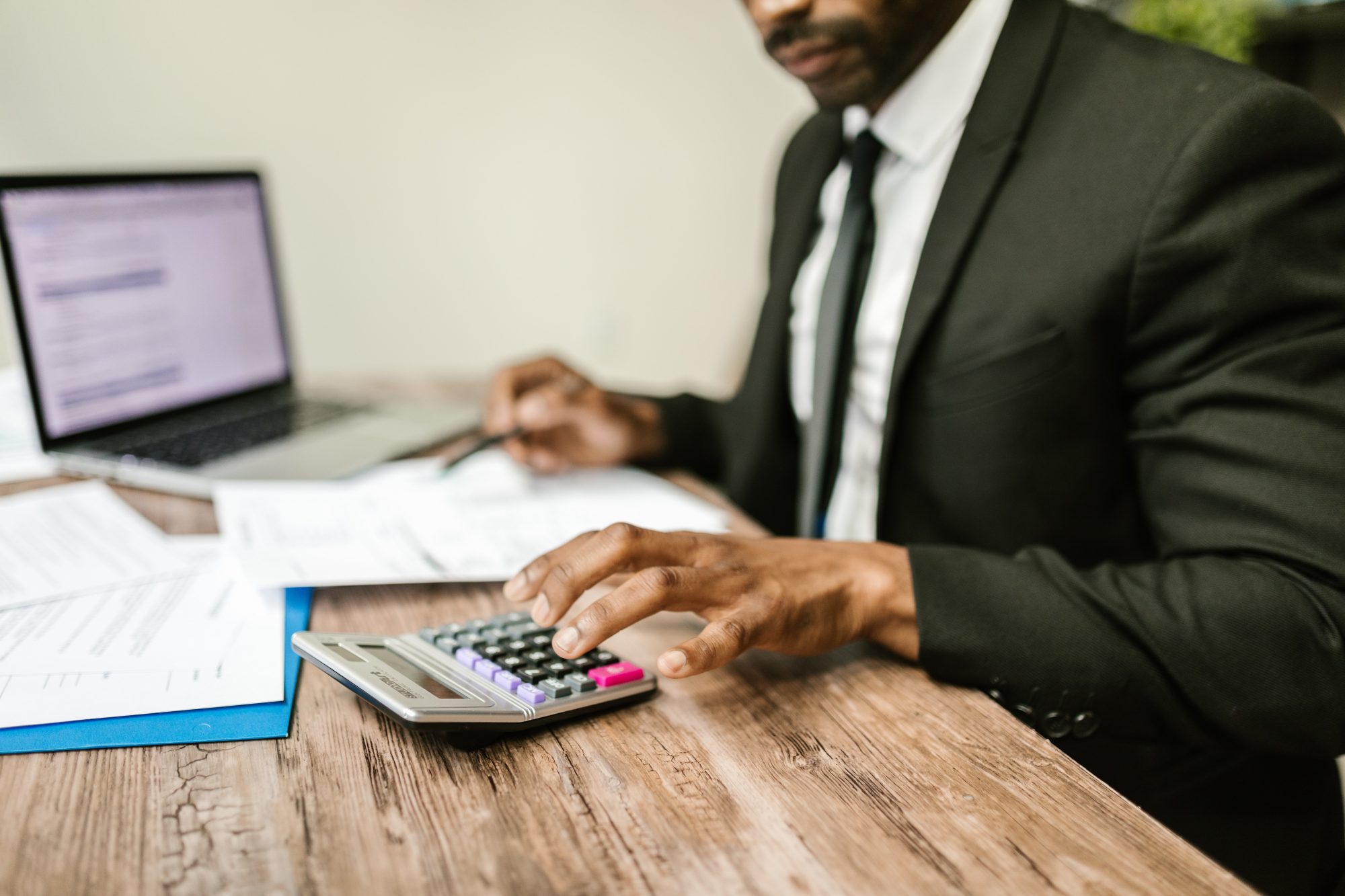
Let’s start with what happens if you unknowingly deposit a fake check. You get the check in the mail and deposit the money, which appears in your account the next day. Within about ten days, someone contacts you saying they need part of the money-back – yet they’ll ask you to transfer the money via gift cards or wire transfer, perhaps in small batches. Whether you do so or not, the money you initially received then disappears when the check finally bounces.
They might also invent a charitable giving program, a lottery contest, or an inheritance for which they are sending a check, but they need you to pay “fees” first. Or the amount that arrives is more than they said, which leads to them asking for money back due to their “accidental” overpayment. This can even happen after they offer to buy something you were selling online, then they send a cashier’s check for more than the requested amount.
Many victims report being offered an easy way to earn money, such as secret shopper work-from-home jobs. The offer comes with a check, then they’re asked to make a payment to get things going soon afterward.
10 Ways to Tell If a Check Is Fake

Here’s how to tell if a check is fake or might be part of a scam:
- The check or instructions have many typos or strange grammar.
- You received a check in the mail with no explanation from the sender or someone you don’t know contacts you asking about the check
- The check wasn’t issued by a legitimate bank (you can look this up online) or the bank is legitimate but when you call them (getting the number from their official website) they can’t verify the check
- You don’t know the person or group sending the check, or you know them but don’t know why they would send you a check
- The check requires your signature to receive or is in some other way a special delivery
- You are told to cash the check within a few days or act on it quickly
- The check is for more than you expected to receive or comes from someone or some group other than who you were told
- You are told you can deposit the money into your own account if you then give some or even most of it to someone else
- They want you to send them money back through gift cards like iTunes or Google Play
- While pretending to work for a large business, the sender primarily contacts you through personal email accounts, text messages or social media
Consequences of Depositing a Fake Check
What happens if you unknowingly deposit a fake check? There can be many consequences of depositing a fake check for your finances and privacy. This is known as check fraud. On average, people lose about two thousand dollars through check fraud schemes. And if you had just recently gotten “free” money, wouldn’t you be more inclined to give a couple of thousand back?
Unfortunately, if the check was fake and you sent a money that appeared in your account, you’re responsible for that payment. That’s the penalty of depositing a fake check. Scams like this work because you feel like you have the money, like someone who spends more than they really have used credit cards.
Other consequences of depositing a fake check include exposing details about your bank account or other financial info to the senders. This happens when you endorse the check, or they might simply ask for the information in follow-up calls. Don’t contact the sender through a phone number on the check, and if the check seems to be from a reputable business, call them through numbers you find outside anything you received to ask about the check.
Other Types of Fake Check Scams
There are a few scams that commonly use fake checks. These scams include:
- Sweepstakes scams
- Secret Shopper scams
- Overpayment scam
What to Do If You Deposit a Fake Check
Sometimes, people deposit fake checks that look real as an honest mistake. If you’ve accidentally done this, here’s what you need to do. First, tell your bank what happened. In some cases, by acting quickly you may be able to get some or all of the money you sent back. Banks can also set up an easier repayment plan, allowing you to recover without much additional harm.
Next, close or freeze the potentially-compromised account you deposited the check into. Also, freeze your credit (instructions on doing so can be found in many places online) if possible and change any passwords associated with the account. Keep all records of what happened, especially anything received from the scammers, and watch your accounts for other suspicious behavior.
Finally, there are groups you can notify about fraud alerts, including the Federal Trade Commission, the Internet Crime Complaint Center, the Postal Service’s inspection unit assuming the check came in their mail, the website where the scammer approached you, your federal investigative force or government tax organization’s identity protection services, and any local consumer protection agency.
Were you Given A Fake Check?
Fake checks come in many forms, but there’s one way to investigate whether or not a check is fake. At socialcatfish.com we’ve helped over 500,000 people verify the identity and authenticity of people and things online. If you think you’ve received a check that might be fake, run a reverse name search on the issuer to run a background check and see any public information on them. This includes addresses, social media accounts, criminal records, and more.