 Multiple Faces Detected


 January 23rd, 2026
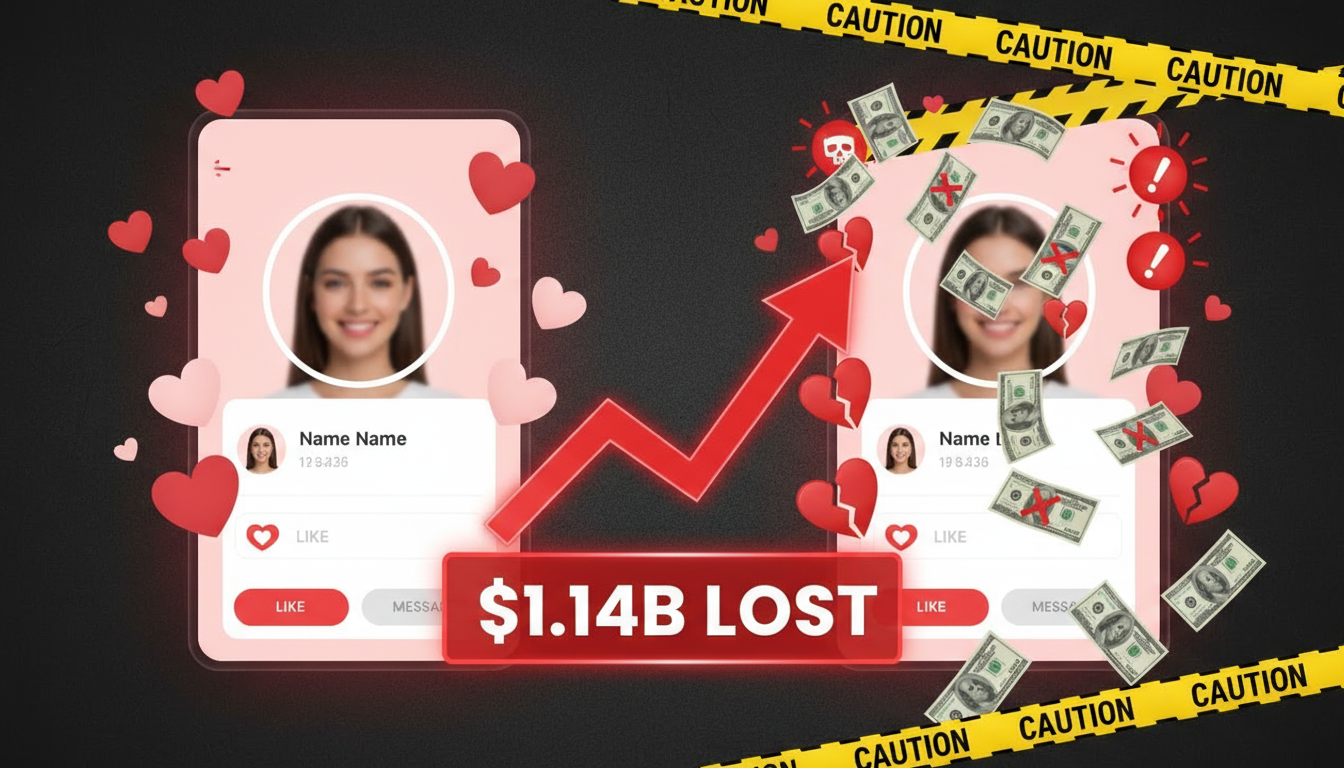
A record $4.2 billion was lost to online scams in 2020 and Valentine’s Day has become one of the biggest days of the year for scammers. Americans spent approximately $22 billion on gifts last year.
Scammers see it as an opportunity to get over on unsuspecting shoppers and romantics looking for someone to share the holiday with. The 5 main scams we’re likely to see, so continue reading to see what scam you need to look for this valentine’s day. Scammers see it as an opportunity to trick unsuspecting shoppers and romantics looking for someone to share the holiday with.
The most obvious Valentine’s Day scam to avoid is romance scams. A record $304 million was lost to romance scams in 2020 and scammers prey on victims who are
lonely and single people often feel most alone during special holidays if they do not have anyone to share it with. However, scammers are sophisticated and attack from many different angles.
Here are 5 Valentine’s Day Scams to Avoid in 2022:

1. Romance Scams
A romance scam, or catfishing, is when a scammer uses someone else’s photos, often a good-looking person, to start a relationship online with a victim. Romance scammers often steal large amounts of money and leave victims heartbroken and penniless.
5 Signs You’re Being Catfished
5 Signs You Are Being Catfished and How to Avoid Becoming a Victim:
- Will Not Meet in Person or Video Chat: They keep finding excuses not to video chat or meet. They send pictures of themselves with your name written on a piece of paper to
prove they are real, but these are photoshopped. - Asks to Move Away from the Dating App: They want to move the conversation of the dating app and onto an online messaging platform such as WhatsApp or Google
Hangouts. - Poor Grammar but Claims to be Educated: They claim to be highly educated but their messages are littered with typos and grammatical errors.
- Confesses Love Quickly: Their goal is to shower you with love to gain your trust so they can steal your money. If the person moves too quickly and asks for the same in return, it is a
red flag. - Asks for Financial Assistance: They claim to have an emergency and ask you to send money. They may also ask for your bank account information so they can deposit money
into your account but he is just a trick to get your information.

Romance Scams Are a Growing Problem
In today’s day and age, most people have heard of catfishing. Because of shows like MTV’s Catfish, and more awareness on this issue. However, many people do not realize how massive this problem is becoming in society. In 2020, Americans lost a record total of $4.2 billion to romance scams. According to the Federal Trade Commission (FTC), Romance scams take more money from the average victim than any other scam. The median amount lost in romance scams is $2,500, which is 10 times higher than the average amount lost in any other scam.
It’s important to know how the state you live in is affected by romance scams. Some coastal states are especially impacted by this fraudulent activity. Below is a breakdown of money lost to romance scams by state.

2. Phishing Scams
Phishing scams come in many forms, from emails to text messages. The hallmark of a phishing scam is a link within the message that takes you to a fake website. The websites appear as though it is a reputable company but it will be slightly off if you look closely. When a victim clicks on the link and enters their information, the scammer will have all the information they need to steal their identity and money.

3. Malware Scams
A malware scam can be financially costly. Scammers steal your identity and gain access to personal information on your devices. In a Malware scam, scammers will send messages to people to get them to click on a link that directs them to their website. Once they are on this site, viruses are downloaded to their computer. These viruses will secretly record their information and send it back to the scammer. Through this method, the scammer can gain access to the person’s sensitive data and use it to steal their identity.
Malware scams tend to increase during events like Valentine’s Day because the messages containing these harmful links are topical. Sending a Valentine’s Day message out on Valentine’s Day rather than any ordinary day may make you more likely to click on the link contained within the message.

4. Gift Card Scams
In 2021, more than $148 million was lost in gift card scams. Gift cards are often the preferred method of payment scammers use. Because it makes it harder to trace their crimes back to them. For this reason, scammers will ask you to send money via gift cards on Valentine’s Day. Gift cards are a particularly common feature of romance scams. Many online scammers will request Steam cards with large amounts of money on them. Victims have lost tens of thousands of dollars in these scams.

5. Greeting Card Scams
Greeting card scams are a part of a secret admirer scam. This scam has elements of both romance scams and phishing scams. In greeting card scams, Scammers pose as a well-known e-greeting company. They send out messages to large amounts of people telling them that they have a secret admirer that sent them a message. Once the receiver of the message opens the link, malware is being installed on their laptop. Tips to avoid these scams this Valentine’s Day
There are a couple of ways to avoid these scams this valentine’s day.
3 Tips To Help You Avoid Scams This Valentine’s Day
- Always run a reverse image search before engaging with someone you don’t know: Stolen images are a common part of online scams. A reverse image search will tell you who’s really in the photos. This can help you avoid engaging with anyone online who has bad intentions.
- Don’t click on a link from a shady sender: Clicking a link to a fake website opens you up to all sorts of scams. Don’t click on any link from a sender that you are suspicious of. If the link may be important but you don’t know if you can trust it, run a reverse email or phone number search on the sender to be sure.
- Never send a gift card to someone you’ve never met in person: Sending gift cards to strangers online is always risky. Never send money to someone you haven’t met in person, no matter what they tell you they need it for. It is oftentimes a scam.