
 Multiple Faces Detected



 January 21st, 2026
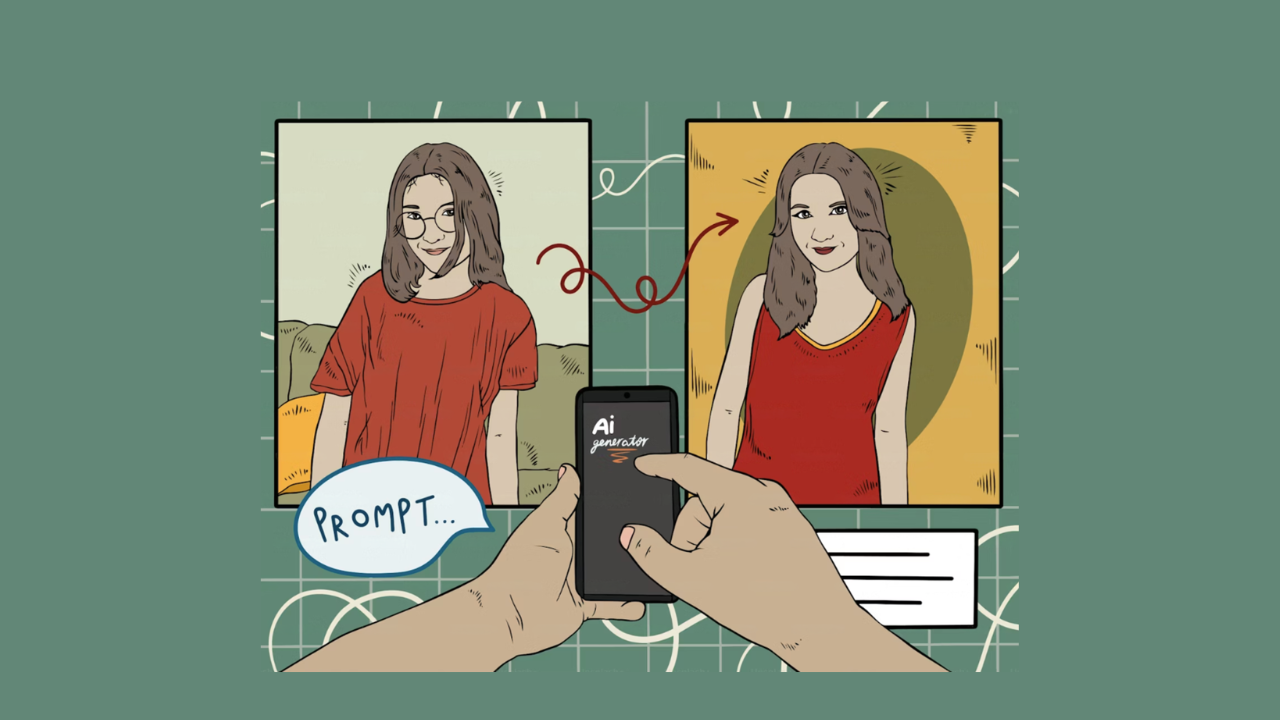
AI can now make fake nude photos of you using just pictures from the internet. It can create an image that looks real even if you never took it.
This is possible because of Deepfakes. It’s a form of AI-generated content that uses advanced techniques to overlay someone’s face onto another person’s body in photos or videos.
The apps used to create them are free and easy to find. As a result, non-consensual deepfake scams spiked by 3,000% in 2023. This article explains how AI-generated nudes are made, why they are so harmful and how you can fight against them.
What Are Deepfakes?
The word “deepfakes” became known in 2017 when a Reddit user named “deepfakes” started posting fake videos. The name comes from two words: “deep learning” (a type of AI) and “fake.”
On Reddit, this user and others in a group called r/deepfakes shared videos they made using AI. Many of these videos showed celebrity faces added to adult film actors’ bodies. Fake videos like these still appear online today.
Deepfakes are fake pictures, videos, or audio clips made with AI. They can make someone look like they’re saying or doing something they never did. They can even create fake voices that sound real.
The Dangers of AI-Generated Fake Nude Pictures
Deepfakes can be used for both helpful and harmful purposes. For example, they’re used in movies to create cool effects and in schools to show what history looked like. But some people use deepfakes in harmful ways, such as:
Sextortion or Blackmail
Scammers make fake nude photos of people using AI, then send messages saying, “Pay me, or I’ll share this with your friends or family.” Even though the image is fake, it looks convincing.
Many victims feel scared, embarrassed, and unsure of what to do. Some end up paying the scammer, hoping it will make the problem disappear, but it usually doesn’t. Once scammers target you, they may continue the scam or try again.
This type of blackmail on Facebook or Instagram has become more common, with scammers threatening to tag or message friends directly.
Financial Fraud
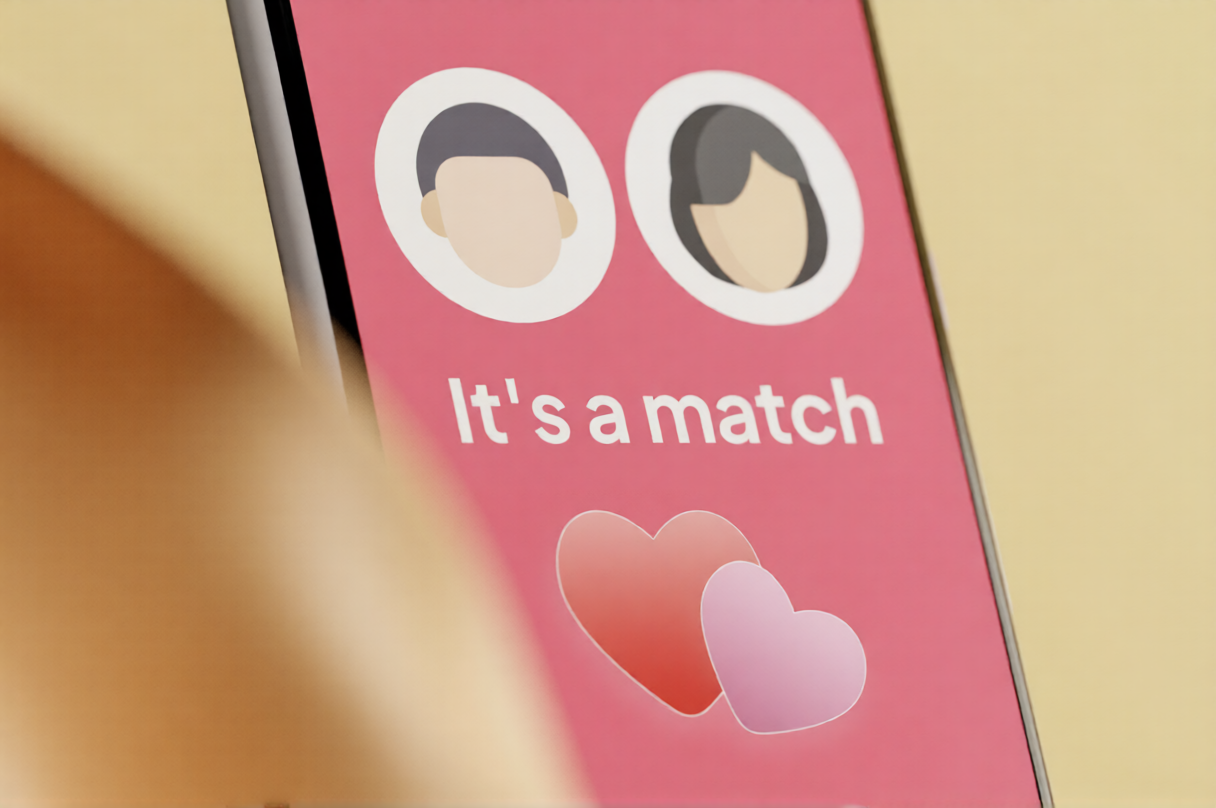
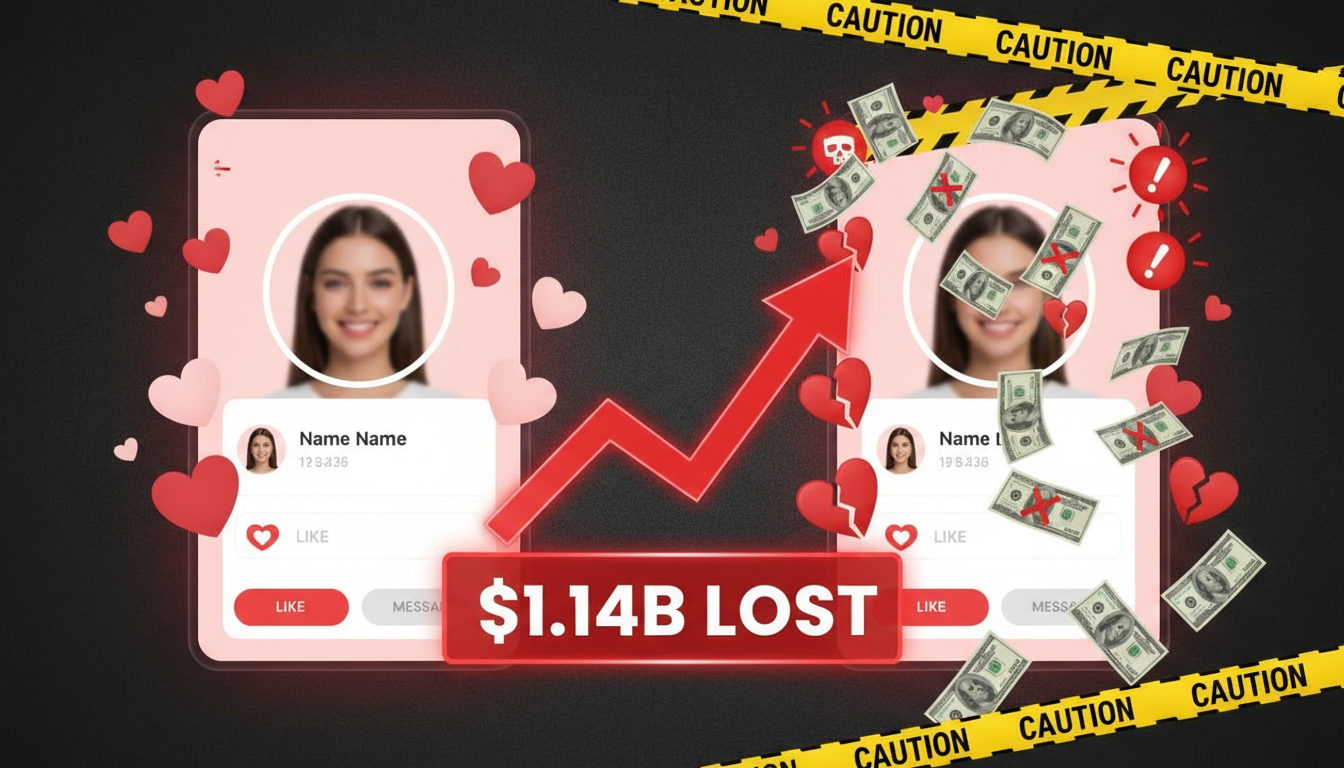
Some scammers use fake photos in dating app scams. They might send you a fake intimate picture and ask for money later to “keep the relationship going” or to avoid sharing the photo with others.
People often fall for these tricks because the photos seem real and personal. It seems like someone you trust is asking for help, but scammers build the entire scheme around a fake image.
Celebrity Ads or Fake Endorsements
Scammers also use AI to create fake images or videos of celebrities. These fake pictures might show the celebrity in a nude or inappropriate pose or saying things they never said.
The scammers then use these images to sell products or drive traffic to shady websites. Sometimes, people do it just to embarrass the celebrity.
These deepfakes damage the celebrity’s reputation and trick people into believing false stories.
Reputation Damage
If someone creates and posts a fake nude photo of you online, it can damage your reputation, even if the image isn’t real. Once people see it, they might start cyberbullying or spreading rumors.
Professionals have lost their jobs, students have been expelled, and parents have been shamed. Even after proving the content was fake, the internet rarely forgets. Fake images can spread fast, and it’s tough to erase them.
Mental Health Impact
Being a victim of a fake photo can make you feel scared, anxious, and embarrassed. It might make you want to hide from people or stay off the internet.
Some people lose sleep, feel depressed, or become afraid of being online at all. For young people, this kind of abuse can deeply hurt their confidence and emotional well-being.
How to Protect Yourself from AI-Generated Image Scams
Deepfakes are a big problem because they look authentic and are easy to make. People can use them to hurt others, spread lies, or deceive.
That’s why knowing how to protect yourself is essential:
- Avoid uploading high-resolution, front-facing images to public platforms. AI tools often find these easiest to manipulate.
- While not foolproof, small changes like watermarks can make AI manipulation more difficult.
- On social media, restrict who can see your posts, tag you in images, or download your pictures.
- Use Social Catfish’s reverse image search to scan your face online. It’s one of the most effective ways to catch misuse early.
Confirmed Cases of AI-Generated Fake Nude Pictures
Deepfakes can harm anyone. Students, teachers, company leaders, and even celebrities have been affected.
Here are some recent cases of deepfake attacks:
Fake AI Photos Lead to Suspension
In Pennsylvania, a cheerleader’s mom was accused of making fake photos of her daughter’s teammates. The pictures showed the girls without clothes and drinking.
She sent these fake images to the team’s coach. One student was suspended because the school thought the fake photo was real and showed her naked and smoking marijuana.
$25 Million Lost in Deepfake Video Call
This case concerns a worker at the British company Arup who was tricked into sending $25 million. The worker joined a normal video call with the company’s CFO and other team members on the screen.
But none of them were real. The scammers used AI to create fake faces and voices that looked and sounded just like real people. The worker followed their instructions and sent the money to bank accounts in Hong Kong.
Fake Celebrity Videos Shared Online
Many famous actresses and influencers have had their faces put into fake adult videos without their permission. These videos are often posted on adult sites and social media, and they’re very hard to take down completely.
Actresses like Emma Watson and Scarlett Johansson have talked about being targeted. Johansson once said, “The internet is a vast wormhole of darkness,” showing how helpless people can feel when this happens.
What to Do If You’re a Victim of Deepfake Image Abuse?
Finding out that someone has made or shared a fake image of you can feel overwhelming, confusing, and scary.
Here’s what to do:
- Take screenshots of everything: messages, links, and the fake image. This proof helps when you report it to the police or request its removal.
- Talk to a trusted friend, family member, or counselor. What you’re feeling is real, and getting support can help you feel safe again.
- Report the fake image directly to the website or app that published it. Most platforms have ways to remove harmful content quickly.
- If someone is threatening you, contact the police or a cybercrime unit.
- Use tools like reverse image search to check where your image appears online. The sooner you find it, the easier it is to stop it from spreading.
Dealing with deepfakes can be stressful. Social Catfish has Search Specialists, real investigators who can do more than just basic searches. They can help you find where a fake image is being used, who might be behind it, and what steps you can take to remove it.
Here’s a message from someone we’ve helped:
“Erin returned my voicemail message i left .. PROMPTLY .. very friendly and knowledgeable .. easy to talk to as far any issues that i presented to her .. my issue was resolved quickly .. thank you” – Terry Farr