

 Multiple Faces Detected


 May 5th, 2025
Poshmark brings the thrift store to your fingertips. You can list, shop, and even join live shopping events, all without stepping outside.
But that ease comes with growing risks. In 2024, online shopping scams were among the most reported, contributing to over $12.5 billion in consumer fraud losses, a 25% jump from the previous year.
Poshmark’s social setup makes it especially vulnerable. While most users are genuine, scammers find new ways to exploit the platform, using fake listings, payment tricks, and account takeovers.
In this guide, you’ll learn how to recognize common Poshmark scams, protect your account, and avoid costly mistakes, whether you’re a buyer or a seller.
Poshmark Scams That Catch Buyers

Even smart shoppers can get scammed. Some of the most common Poshmark scams specifically target buyers and are surprisingly easy to miss.
Counterfeit or Switched Items
Let’s say you buy a designer bag, but when it arrives, it’s a cheap knockoff or a completely different item. As a seller, scammers might buy a real item from you, then return a fake one. In both cases, the scammer gets the real item, and you lose out.
To protect yourself, take clear photos and videos of your item before shipping. If you’re buying, always compare photos and use Poshmark’s authentication for luxury items when possible.
Off-Platform Transactions
Always use Poshmark’s payment system to stay safe. Once the deal happens outside the app, Poshmark cannot help if something goes wrong. You could lose your money, the item, or both.
Engaging in transactions outside of Poshmark’s official platform can expose both buyers and sellers to significant risks.
Fraudsters may push for PayPal, Cash App, or other methods, which are often involved in wire transfer scams that make it difficult to recover lost funds.
Phishing Links and Fake Login Pages
Scammers might pretend to be from Poshmark and send you a message or email asking you to verify your account or unlock a payment. They include a link that looks real but is fake. These fake websites are made to steal your login info.
Once they get it, they can take over your account and lock you out. Poshmark will never ask you to click a link to verify a payment.
If interactions with a buyer or seller seem suspicious or too good to be true, it may be a sign of catfishing scams, which often share similar red flags.
Poshmark Scams That Catch Sellers
Scammers don’t just target buyers, sellers are at risk too. Here’s how fraudsters try to trick sellers out of their items, and how you can protect your shop:
Fake Payment Confirmations
This scam tricks sellers with fake payment emails. A scammer says they want to buy your item, then you get an email that looks like it is from Poshmark, saying the payment went through and asking you to ship it. But the email is fake, and no money was sent.
If this happens to you, use a reverse email address search to check if the buyer is legit before you make a costly mistake. To stay safe, only trust payment updates that show up in your Poshmark account, not in your email.
Overpayment Scams
Scammers might intentionally overpay for an item and request the excess amount to be returned, often using stolen or fraudulent accounts.
This method not only defrauds the seller but can also implicate them in illegal activities. Understanding the concept of money mules is crucial to avoid inadvertently participating in such schemes.
What to Do if You’ve Been Mugged on Poshmark
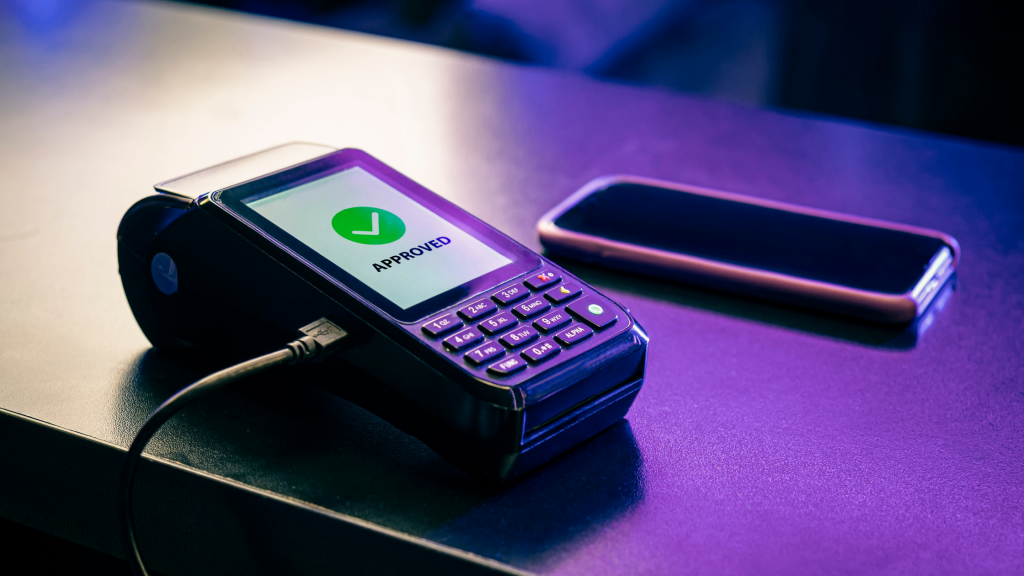
Here’s what you can do to protect yourself from Poshmark scams:
- Contact Poshmark’s customer service right away. Provide them with all the details of the scam, including any messages and payment details.
- For high-value items, consider using facial recognition search tools to confirm a seller’s identity and reduce the risk of fraud.
- Use Poshmark’s reporting system to flag the fraudulent activity
- Change your Poshmark password immediately if you notice any unusual activity on your account.
- If you frequently buy or sell online, consider using a tool like reverse lookup to verify buyers’ or sellers’ identities before engaging in a transaction.
Cases that Darkened Poshmark’s Reputation
Poshmark, known for its online marketplace for buying and selling fashion items, has faced several controversies over the years. Here are a few cases that tarnished its reputation:
- A seller on Poshmark was contacted by a buyer interested in a dress. The buyer said they couldn’t use Poshmark’s payment system and offered to send a $1,800 check. The seller deposited the check, but later found out it was fake.
- A 19-year-old seller accepted a return for a $1,150 Chanel bag, but got an empty box back. Poshmark suspended her account at first, thinking it was fraud, but later refunded her fully. The bag was still missing, and the case was closed without a solution.
- A seller sent a $500 handbag to Poshmark’s authentication department. After weeks of waiting, the item was lost in transit, and the seller did not receive payment. Attempts to contact Poshmark for resolution were unsuccessful, leaving the seller without the item.
- A user reported that people pretending to be Poshmark representatives asked for $7,000 to set up a seller account. The user sent the money but got no help or refunds. Attempts to reach Poshmark customer service were ignored, showing it was a scam.
Final Word
You can still get scammed, even if you followed the rules, listed your products properly, shipped them, and paid through what looked like the right channels. Be it’s a fake return, a fake payment, or someone pretending to be a real buyer or seller, it’s hard to know who to trust.
That’s where Social Catfish comes in. Our team of search specialists helps people uncover the truth behind suspicious buyers, sellers, and listings. We look into online identities so you can avoid being scammed again or stop a bad deal before it starts.
Hear directly from a customer who used our service:
“ERIN had obviously read ALL of my letter. ! ! ! She first gave me empathy and responded with a comprehensive LIST of what I should do to clean my browser, recapture my History (for I have sought the advice and expertise of social catfish these last 5 years), then included this most recent search of mine as well as all my searches from my past. ERIN…and your service protected me and miy heart <3” – Marek Vollach











