 Multiple Faces Detected


 December 4th, 2023
In the ever-expanding realm of online dating, where connections are forged in the digital landscape, ensuring one’s safety and authenticity has become paramount. Catfishing and deceptive online profiles pose real risks, prompting the need for innovative strategies to verify the identity of potential matches. In this blog post, we unravel the crucial topic of “Online Dating Safety: Using Image Search to Verify Profiles.” By exploring the power of reverse image search tools, we aim to empower users with the knowledge and tools to navigate the digital dating world with confidence and security. Join us as we delve into the techniques and insights that harness the capabilities of image search technology, providing a shield against potential online hazards and fostering a safer online dating experience.
The Pitfalls of Online Dating: Navigating Deceptive Profiles
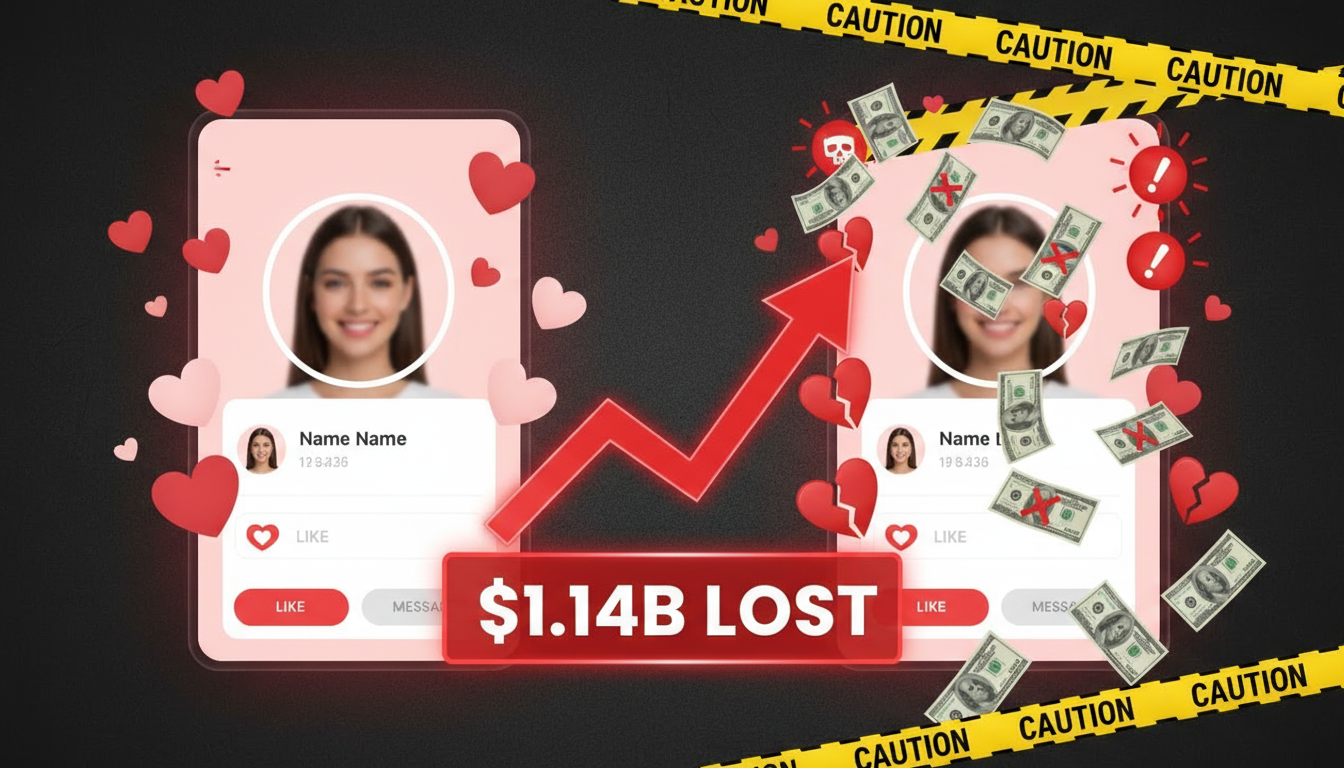
The quest for meaningful connections is often marred by the presence of deceptive profiles. The anonymity provided by dating platforms can lead to individuals creating misleading accounts, using images that do not accurately represent their true identity. This deception can range from subtle alterations to the use of entirely fake pictures, raising significant concerns about the authenticity of potential matches. Deceptive profiles not only undermine the trust essential for genuine connections but also pose potential risks to users who may unknowingly engage with individuals operating behind a façade.
One common pitfall is the prevalence of catfishing, where individuals create entirely fictional personas to manipulate and deceive others. Catfishers often use attractive images sourced from the internet, creating an illusion that doesn’t align with their true appearance or intentions. Another challenge is the use of outdated or heavily edited photos, presenting an idealized version of oneself that may not reflect the present reality. Navigating these pitfalls is crucial for those seeking authentic connections, as falling prey to deceptive profiles can lead to disappointment, emotional distress, or even more serious consequences.
The impact of deceptive profiles on the online dating experience underscores the need for users to be vigilant and adopt proactive measures in verifying the authenticity of the individuals they encounter. The exploration of innovative tools, such as reverse image search, becomes pivotal in addressing these challenges, empowering users to make informed decisions and fostering a safer digital dating environment.
Unlocking the Tool: How Reverse Image Search Works in Dating Safety
Reverse image search, a powerful tool originally designed for various purposes, has become a game-changer in the realm of online dating safety. At its core, this tool allows users to upload an image or input a URL to discover where else on the internet that image appears. When applied to dating profiles, it acts as a virtual detective, unveiling the origins of uploaded pictures. The mechanism is based on sophisticated algorithms that analyze unique features within an image and match them with existing data on the web. This process enables users to verify the authenticity of the images used in online dating profiles and gain insights into whether they have been misappropriated from elsewhere on the internet.
To initiate a reverse image search, users can choose from various online platforms that offer this service. Major search engines like Google, specialized reverse image search engines, and even mobile apps provide a user-friendly interface for conducting searches. By uploading a profile picture or entering the image’s URL, users can swiftly uncover potential matches or discrepancies with the information provided in the dating profile. This simple yet effective process empowers online daters to make more informed decisions, helping them identify red flags associated with deceptive profiles and ensuring a safer and more reliable online dating experience.
Practical Steps for Image Verification: Safeguarding Your Online Connections
By following these practical steps, individuals can utilize reverse image search as a proactive tool to verify the authenticity of online dating profiles, fostering a safer and more secure digital dating experience:
- Select a Reputable Reverse Image Search Platform: Begin by choosing a reliable reverse image search platform. Google Images is a widely-used option, but consider specialized tools designed for dating safety. Ensure the platform is user-friendly and provides comprehensive search results.
- Upload or Input the Image: Take the profile picture from the online dating profile you’re investigating and upload it to the selected reverse image search platform. Some platforms also allow you to input the image URL directly. This step initiates the search for similar or identical images across the web.
- Review Search Results: Carefully examine the search results provided by the tool. Look for instances where the same image appears on multiple, unrelated profiles. Pay attention to the sources of the images and assess whether they align with the information shared in the dating profile. Inconsistencies may raise red flags.
- Cross-Reference with Profile Information: Cross-reference the reverse image search results with other information provided in the dating profile. Check for any disparities or discrepancies between the revealed sources of the images and the details shared by the user. Inconsistencies could indicate potential deception.
- Verify Image Authenticity: If the reverse image search reveals that the same image is widely used across various online platforms, it’s a signal to be cautious. Authentic profiles typically feature unique images. Verify the authenticity of the images by assessing the credibility of their sources.
- Exercise Caution with Multiple Profiles: If the search results show the same image associated with multiple dating profiles, especially across different platforms, exercise caution. This could be a sign of a deceptive or catfishing scenario. Consider reaching out to the user for clarification or, if in doubt, disengage from the interaction.
- Stay Informed About Scams: Educate yourself about common online dating scams and the tactics used by scammers. Stay informed about emerging trends in online deception to better protect yourself. Online safety knowledge is a powerful tool in navigating the complexities of virtual relationships.
Staying Informed: Updates and Trends in Image Search for Dating Security
Staying informed about updates and trends in image search for dating security is crucial in navigating the dynamic landscape of online relationships. As technology advances and online interactions evolve, so do the strategies employed by scammers and deceptive profiles. Keeping abreast of the latest developments ensures that users can employ the most effective tools and techniques to protect themselves from potential threats. Regularly checking for updates in image search algorithms and methodologies enables individuals to refine their verification processes, increasing the accuracy of their assessments.
One valuable source of information is online safety seminars and webinars dedicated to dating security. These virtual events often feature cybersecurity experts who share insights into emerging trends and discuss advancements in image search technologies. Attending these sessions provides an opportunity to learn about the latest tactics employed by scammers and understand how image search tools are adapting to counteract these threats. Users can gain practical knowledge and actionable tips to enhance their online safety practices.
Active participation in social media groups and online communities focused on dating safety also contributes to staying informed. These forums serve as hubs for discussions on current trends, shared experiences, and collaborative efforts to combat scams. By engaging with others in the online safety community, individuals can benefit from real-time updates, exchange information, and collectively contribute to the ongoing enhancement of online dating security measures. Collaborating with like-minded individuals fosters a sense of community resilience against the ever-evolving challenges posed by deceptive online practices.