
 Multiple Faces Detected


 October 5th, 2023
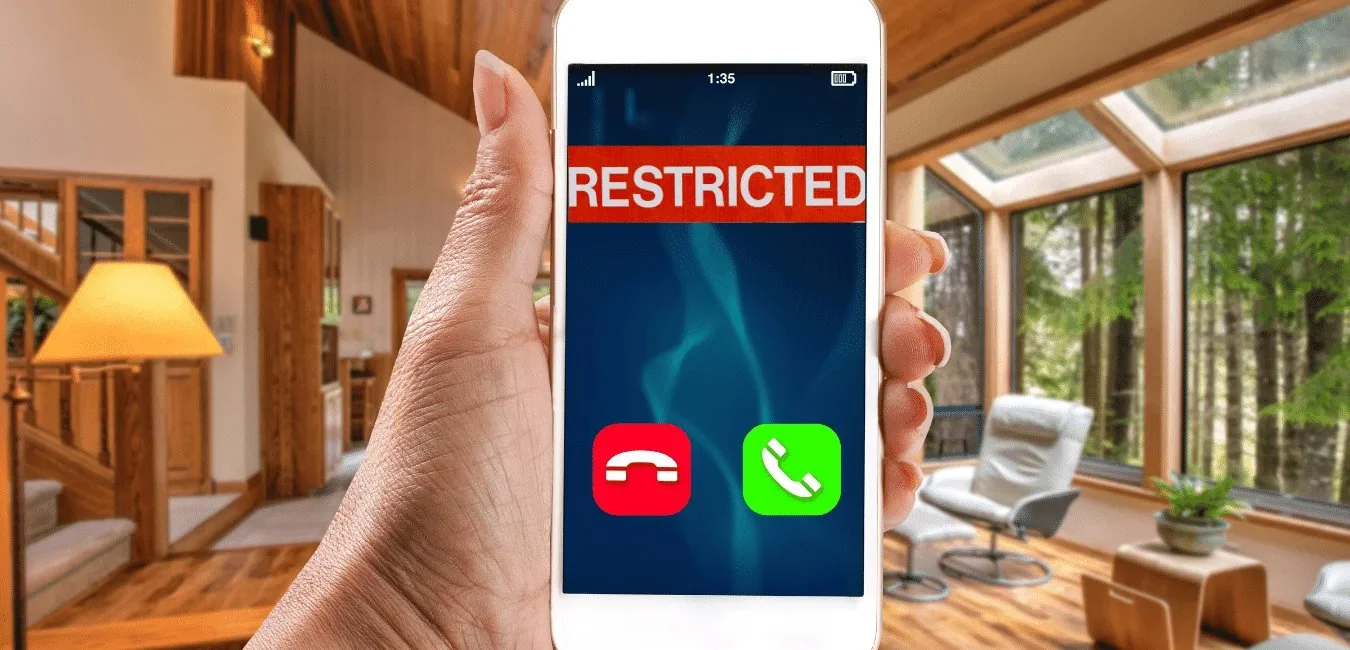
Have you ever received a phone call with a mysterious “Restricted” or “Private” label on your caller ID? It’s a scenario many of us are familiar with, but understanding why these calls get restricted in the first place can be a bit of a mystery itself. In this blog post, we’ll delve into the intriguing world of restricted calls and explore the purpose behind them. Whether you’ve been curious about these enigmatic callers or have been on the receiving end of such calls, we’ll shed light on the reasons behind this common telephone phenomenon. So, let’s embark on a journey to uncover the motives and situations that lead to calls being restricted, demystifying this aspect of modern communication.
Why Does a Call Come Up as Restricted?
Encountering a “Restricted” or “Private” label on your caller ID can be a puzzling experience, often leaving you wondering about the motivations behind such concealed identities. This phenomenon isn’t limited to a single cause but rather stems from a variety of reasons. One of the most common motives is a concern for privacy. Some callers opt to withhold their phone numbers to safeguard their personal information from being revealed to the call recipient, a practice typically employed when contacting businesses or organizations.
On the flip side, “Restricted” calls can also be associated with telemarketing and robocalls, which may not have the most honorable intentions. Telemarketers and automated systems often utilize methods to mask their true numbers, a strategy that allows them to evade identification by the recipients of their calls, sometimes leading to unwelcome or misleading communications.
In some instances, “Restricted” numbers are used by emergency services or law enforcement agencies, aiming to protect the identities of their personnel. For instance, a police officer reaching out to someone during an ongoing investigation might use a restricted number to prevent potential retaliation.
Moreover, professionals in fields like law, medicine, or therapy may employ “Restricted” numbers when contacting clients, prioritizing the confidentiality of their conversations. This approach ensures that sensitive information remains safeguarded and strengthens trust between the professional and the client.
By comprehending the diverse motives behind restricted calls, individuals can approach them with greater clarity. While some restricted calls serve legitimate and honorable purposes, others might warrant caution and vigilance, particularly when they appear unsolicited or raise suspicions.
Types of Restricted Calls
Restricted calls encompass a range of categories, each with its own distinctive purpose and implications. Understanding these categories can shed light on why you might receive a restricted call.
1. Privacy Concerns: One common reason for calls to appear as restricted is the caller’s desire for privacy. Individuals may withhold their caller ID to protect their personal information or because they don’t want their number to be stored in the recipient’s call history. This is often seen in sensitive situations or when contacting strangers, such as buyers and sellers on online marketplaces.
2. Telemarketing and Sales: Telemarketers frequently use restricted numbers to reach potential customers. They may do this to grab your attention or to prevent you from easily identifying their organization. While some telemarketing calls are legitimate, others might be scams or unwanted solicitations.
3. Professional Confidentiality: Professionals in various fields, such as healthcare providers or lawyers, might use restricted numbers when contacting clients to uphold confidentiality. Patients and clients may appreciate this added layer of privacy, knowing their personal information won’t be readily visible on their phones.
4. Government and Law Enforcement: Government agencies and law enforcement entities may also use restricted numbers for security and privacy reasons. When contacting individuals for official purposes, they may choose to withhold their caller ID to safeguard sensitive operations.
5. Phone Scams and Fraud: Unfortunately, some restricted calls are associated with fraudulent activities. Scammers often use restricted numbers to make it harder for recipients to trace their identity or location. These calls may involve phishing attempts, fake prizes, or impersonations of legitimate organizations.
6. International Calls: In some cases, international callers may appear as restricted if their service providers do not support caller ID transmission across borders. This can make it challenging to identify whether an incoming call is from a legitimate international contact or a potential scam.
Dealing with Restricted Calls
Dealing with restricted calls can be a mix of caution, preparation, and proactive measures to safeguard your privacy and security. Here are effective strategies to navigate restricted calls:
- Utilize your phone’s caller ID feature to screen incoming calls. If a call appears as restricted or has an unfamiliar number, consider letting it go to voicemail. Legitimate callers often leave messages if the call is important.
- Most smartphones allow you to block specific numbers. If you consistently receive unwanted restricted calls, add them to your block list. This prevents those numbers from reaching your phone in the future.
- Explore call-blocking apps available for your smartphone. These apps often provide advanced features like call categorization and the ability to block known spam or fraudulent numbers.
- Activate your phone’s “Do Not Disturb” mode during periods when you don’t want to be bothered by calls. You can customize this mode to allow calls only from your contacts or other trusted sources.
- If you suspect that a restricted call is legitimate but want to be cautious, request additional information to verify the caller’s identity. Ask for a callback number or inquire about the purpose of the call.
- Never share personal information, financial details, or sensitive data with callers from restricted numbers. Scammers may attempt to trick you into revealing such information.
- If you receive restricted calls that seem fraudulent or malicious, report them to your phone carrier and relevant authorities. Reporting can help track down and take action against fraudulent callers.
- Some phone carriers offer call filtering services that automatically identify and block known spam or scam numbers. Check with your carrier to see if this service is available.
- Stay informed about common phone scams and fraudulent tactics. Knowledge is a powerful tool for recognizing and avoiding potential threats.
- Review your phone’s privacy settings and adjust them to your preferences. You can often customize who can call you, whether it’s only your contacts, everyone, or specific groups.
Identifying Legitimate vs. Suspicious Calls
Distinguishing between legitimate and suspicious calls can be a crucial skill in protecting yourself from potential scams or unwanted solicitations. Begin by checking the caller ID information. Legitimate calls from known contacts or organizations will typically display a recognizable name or number. However, scammers may use spoofed numbers or present themselves as familiar entities, so proceed with caution.
Pay close attention to the content of the call. Legitimate calls often have a clear purpose and may relate to topics you’ve previously discussed or actions you’ve taken. Be wary of calls that seem vague, threatening, or too good to be true.
If you have any doubts about the caller’s identity, take proactive steps to verify it. Ask for specific information, such as their name, organization, and a callback number. Legitimate callers should be willing to provide this information.
Trust your instincts. If something about the call feels off or makes you uncomfortable, it’s better to err on the side of caution. Scammers may use high-pressure tactics to coerce you into providing personal information or taking immediate action.
If the call comes from an unfamiliar or restricted number, consider conducting a quick online search. Some websites and apps collect user-reported information about spam or fraudulent numbers, which can help you identify suspicious calls.
Be cautious when receiving unsolicited offers, especially those promising financial gain, prizes, or urgent assistance. Scammers often use these tactics to lure victims into providing personal or financial information.
In summary, the key to identifying legitimate vs. suspicious calls is a combination of critical thinking, cautious listening, and verification. Always prioritize your safety and privacy when dealing with incoming calls, and don’t hesitate to hang up or report any call that raises concerns.