
 Multiple Faces Detected


 October 11th, 2023
Where communication flows seamlessly through various channels, restricted calls have become a common enigma for many. These mysterious, concealed identities on the other end of the line can stir curiosity, suspicion, or even anxiety. Whether you’re a vigilant individual safeguarding your privacy or someone seeking to demystify those concealed callers, this blog post aims to unmask the world of restricted calls. We’ll delve into the intricacies of what restricted calls are, why they occur, and most importantly, how recipients can identify them. Armed with knowledge, you’ll be better prepared to decide whether to answer that mysterious call or let it ring into the enigmatic void.
Understanding Restricted Calls
Phone calls have become an integral part of our lives. However, not all incoming calls are straightforward, as anyone who’s encountered a “Restricted” or “Blocked” call can attest. These enigmatic calls present a unique challenge, leaving recipients puzzled about the identity of the caller. To navigate this telephonic mystery, it’s essential to delve into the world of restricted calls and gain a deeper understanding of their nature.
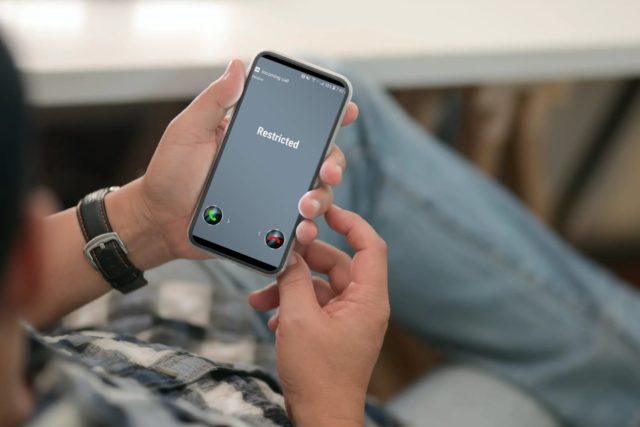
Restricted calls, often denoted as “Unknown,” “Private,” or “Blocked,” are calls in which the caller’s phone number is intentionally hidden from the recipient. When such a call is received, the caller’s identity remains concealed, leaving the recipient with only the vague label of “Restricted.” This lack of transparency immediately raises questions about the caller’s intentions and can trigger a range of emotions, from curiosity to concern.
While there are legitimate reasons for blocking one’s caller ID, such as maintaining privacy or personal security, restricted calls have also been associated with nuisance calls, scams, and harassing behavior. It’s crucial to recognize that not all restricted calls are nefarious, but understanding the potential motives behind them is the first step in deciphering their purpose.
Restricted calls are often employed for various reasons, some of which include maintaining anonymity, preserving privacy, or even concealing one’s caller ID for professional purposes. Individuals who value their privacy may choose to make restricted calls to shield their identity from unsolicited marketing or to prevent their number from being stored in a recipient’s contacts.
On the flip side, restricted calls can also be a means for individuals with malicious intent to carry out scams, engage in harassment, or conduct fraudulent activities. In such cases, the lack of caller identification provides a level of anonymity that makes it challenging to trace and hold wrongdoers accountable.
While the motivations behind restricted calls can vary significantly, it’s essential to approach them with caution and discernment. In the digital age, where communication can be both a blessing and a curse, understanding the nature of restricted calls empowers recipients to make informed decisions about how to respond to these enigmatic phone calls. In the following sections, we will delve deeper into the motives behind restricted calls, explore methods for identifying them, and discuss strategies for handling these calls effectively.
Why Do Restricted Calls Occur?
The realm of telecommunication is vast and dynamic, encompassing various types of phone calls, including those labeled as “Restricted.” Understanding the reasons behind restricted calls requires delving into the diverse motives that drive individuals to conceal their caller IDs. Here, we explore some of the primary reasons why restricted calls occur, shedding light on the complex tapestry of telephonic communication.
- Privacy Preservation: One of the most common and benign reasons for making a restricted call is the preservation of privacy. In today’s digitally interconnected world, personal information is highly valuable, and many people are cautious about sharing their phone numbers. Making a restricted call allows individuals to interact without disclosing their caller ID, safeguarding their privacy from being stored in the recipient’s contacts.
- Professional Use: Certain professions necessitate the use of restricted calls. For example, law enforcement officers, medical practitioners, or social workers may need to contact individuals while keeping their identities confidential. This professional necessity ensures that sensitive information remains protected and that individuals can receive assistance or information without revealing their own identities.
- Anonymous Communication: In some cases, restricted calls serve as a means of anonymous communication. While this can be employed for legitimate reasons, such as whistleblowing or seeking assistance in sensitive situations, it can also be misused for harassment or fraudulent activities. The anonymity provided by restricted calls makes it difficult for recipients to trace the source, which can pose challenges in distinguishing between genuine and malicious intentions.
- Avoiding Solicitation: People are inundated with telemarketing calls and spam, making it essential to protect one’s phone number from being added to databases. By making restricted calls, individuals can bypass automated call lists and avoid becoming targets of unsolicited marketing efforts.
- Harassment and Pranks: Unfortunately, some restricted calls are driven by malicious intent. Individuals may use restricted caller IDs to engage in harassment, pranks, or even scams. The lack of caller identification can embolden wrongdoers, as it reduces the chances of being identified or held accountable for their actions.
- Technical or Network Issues: Sometimes, restricted calls occur due to technical glitches or network-related problems. In such cases, the caller’s identity may inadvertently be concealed, even if they had no intention of making a restricted call. These occurrences are usually unintentional and do not involve any deceptive motives.
Identifying Restricted Calls
Check for a Caller ID
While it may seem obvious, the first step in identifying a restricted call is to check your phone’s caller ID or screen. Some smartphones are designed to display “Restricted” or “Blocked” when such calls come in. However, not all phones may provide this indication, so it’s essential to be vigilant.
Wait for Voicemail
If you miss a call from a restricted number, allow the caller to leave a voicemail. Legitimate callers, even those with restricted IDs, often leave messages to convey their purpose. Voicemails can provide valuable context and help you determine whether the call is worth returning.
Use a Reverse Phone Lookup Service
Several online services and apps offer reverse phone lookup capabilities. These tools allow you to enter the restricted number, and they may provide information about the caller’s identity, location, or whether the number is associated with any known scams or telemarketing efforts. Keep in mind that these services may have limited success with restricted numbers.
Contact Your Phone Provider
Your phone carrier or service provider may offer features or services to help identify or block restricted calls. They can provide guidance on how to enable such features or manage your call preferences. Some carriers offer services that automatically reject calls from blocked or restricted numbers.
Install Call Identification Apps
Numerous mobile apps are designed to identify and label incoming calls, including those from restricted numbers. These apps rely on vast databases and community reporting to provide caller information. Popular apps like TrueCaller and Hiya can be effective in identifying calls.
Exercise Caution with Unsolicited Calls
When dealing with restricted calls from unknown sources, it’s crucial to exercise caution. Be wary of providing personal information, financial details, or engaging in any suspicious conversations. Scammers and fraudulent callers often use restricted numbers to conceal their identities, making it essential to protect yourself from potential threats.
Dealing with Restricted Calls
Receiving a call from a restricted or blocked number can be a puzzling experience. The anonymity associated with such calls can leave you wondering about the caller’s intentions. Whether you’re dealing with persistent prank calls, potential scammers, or simply curious about the calls you receive, here are some strategies for effectively dealing with restricted calls:
First and foremost, it’s crucial not to panic when you encounter a restricted call. The unknown nature of the caller can naturally trigger unease, but maintaining your composure is essential. Panic may lead to impulsive actions or divulging sensitive information, which is precisely what you want to avoid.
Setting clear boundaries is another vital step when dealing with restricted calls, especially if you suspect they are from an unwanted or harassing source. Avoid engaging with the caller, and refrain from responding to text messages or voicemails. Silence can convey a strong message that you’re not interested in their communication.
Modern smartphones often come equipped with call blocking features that allow you to automatically reject calls from restricted numbers or numbers not in your contacts. This can be an effective way to filter out unwanted calls without having to answer or confront the caller directly.
If you’re dealing with restricted calls that you believe are malicious or threatening, consider documenting them. Many smartphones have call recording apps or features that can help you record conversations. These recordings can serve as evidence if you need to involve law enforcement.
In cases where restricted calls escalate to harassment, threats, or scams, it’s essential to report them to the relevant authorities, such as your local police department or the Federal Trade Commission (FTC). Provide any evidence or documentation you’ve collected to aid in their investigation.
If restricted calls become a severe and persistent problem, it might be advisable to seek professional help. Consulting with an attorney or a private investigator can be a strategic move. They can assist in tracing the calls back to their source and provide guidance on taking legal action if necessary.
Dealing with restricted calls can be challenging, but maintaining a level-headed approach and utilizing available tools and resources can help you navigate the situation more effectively. Remember that your safety and peace of mind should be a priority, so take the necessary steps to protect yourself from unwanted or potentially harmful calls.