 Multiple Faces Detected


 October 30th, 2025
Your phone rings with a call from “Uber Support.” They say there’s a problem with your recent trip or a suspicious charge on your account. The caller ID looks legitimate, and they know details about your ride. But here’s the truth: it’s not Uber calling, it’s a scammer.
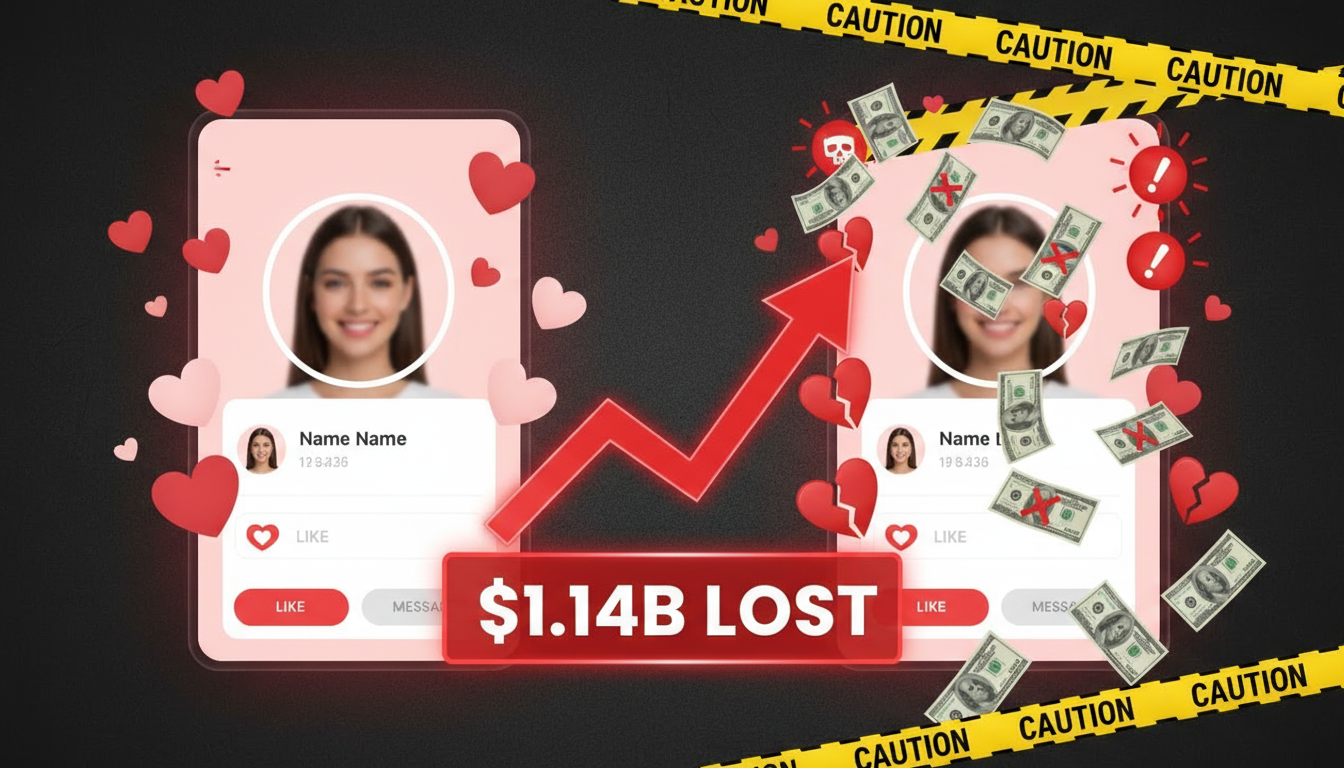
Fake customer service calls are exploding across ride-sharing platforms, and Uber users are prime targets. According to the FTC, imposter scams, where criminals pretend to be trusted businesses or government agencies, topped the fraud charts with nearly half a million reports in 2023 alone, causing over $1.1 billion in losses.
These calls feel real because scammers have perfected their approach. They use spoofed phone numbers, create urgency, and exploit the trust people have in brands they use daily. The result? Stolen accounts, unauthorized charges, and compromised identities. Before you trust any unexpected support call, a quick Social Catfish phone lookup can reveal whether you’re talking to a legitimate business or a scammer.
How the Uber Fake Support Call Scam Works
Understanding the scammer’s strategy is essential to protecting yourself. These operations follow a carefully designed playbook that preys on trust and urgency.
It Starts with a Call or Text About Your Account
You receive an unexpected call or text message claiming there’s an issue with your Uber account. Common scenarios include problems with a recent trip, a disputed charge, unusual account activity, or a driver complaint. The message creates immediate concern, something needs your attention right now.
Some scammers go further, texting you first to warm you up before calling. They might say, “We’ve noticed suspicious activity on your Uber account. Our support team will call you shortly to verify.” This two-step approach makes the follow-up call seem more legitimate.
Scammers Use Spoofed Numbers That Look Official
The phone number appears authentic. Your caller ID might display “Uber Support,” a number that matches Uber’s help line, or even a local area code that makes the call seem less suspicious. Spoofing technology allows scammers to manipulate what appears on your screen, making it nearly impossible to distinguish fake calls from real ones based on caller ID alone.
They Ask for Information Uber Would Never Request
Once you’re on the line, the “support representative” asks you to verify your account. They might request your password, the verification code sent to your phone, full credit card numbers, or your account PIN. Some even ask you to download remote-access software so they can “fix the issue” on your device, giving them complete access to your personal information.
The conversation feels professional. They use Uber terminology, reference your recent rides, and sound helpful. But legitimate Uber support never calls unsolicited and never asks for sensitive credentials over the phone.
Before trusting any support number, verify it with Social Catfish’s phone number lookup, it takes seconds to confirm who’s really calling.
Why You’re Getting Fake Uber Support Calls
These scams aren’t random harassment, they’re calculated operations targeting millions of potential victims. Several factors have created the perfect storm for Uber impersonation fraud.
Uber’s Massive User Base Creates Opportunity
Uber operates in hundreds of cities worldwide with tens of millions of active users. Scammers know that when they make thousands of robocalls claiming to be Uber, a significant percentage will reach actual Uber customers. It’s a numbers game, and the odds are in their favor. Even a small success rate translates to substantial profits.
Fake Google Listings Mislead Support Searches
When people search “Uber customer service number” or “Uber help phone number,” they expect accurate results. Unfortunately, scammers manipulate search engine results through fake websites, paid advertisements, and fraudulent business listings. These fake numbers often appear before legitimate contact information, trapping users who trust that Google will show them the right number.
The FTC reports that imposter scams, including fake customer service operations, have increased by 25% year-over-year. Phone-based fraud remains one of the top methods scammers use to steal money and personal information.
Advanced Spoofing Technology Makes It Easy
Caller ID spoofing technology is cheap, accessible, and surprisingly simple to use. For minimal cost, scammers can make their calls appear to come from any number they choose, including Uber’s actual support line. Robocall systems allow them to reach thousands of people simultaneously, testing different scripts and approaches to see what gets the best response.
Social Catfish lets you cross-check suspicious numbers or emails instantly before you pick up or respond.
Top 5 Red Flags of a Fake Uber Support Call
Recognizing warning signs can stop a scam before it starts. If you encounter any of these red flags, end the call immediately.
1. The Call Claims There’s an Issue with a Recent Trip or Payment
Unsolicited calls about account problems are almost always scams. Real Uber support communicates through the app, not random phone calls. If there’s a genuine issue with your account or a trip, you’ll see notifications in the app or receive an official email.
2. The Caller Asks for Your Account Password, PIN, or Card Info
This is the biggest red flag. Uber already has your payment information on file, they never need to ask for it again. Legitimate support representatives don’t request passwords, verification codes, or full credit card numbers. If someone asks for this information, it’s a scam, period.
3. The Number Isn’t Listed Inside the Uber App
Uber provides verified contact information directly in the app’s Help section. Any phone number claiming to be Uber support should match exactly what’s shown there. If you can’t find the number in the app, don’t trust it.
4. There’s Pressure to “Act Now” or Risk Suspension
Scammers create artificial urgency to prevent you from thinking critically. Phrases like “your account will be suspended,” “we need to verify this immediately,” or “you’ll lose access if you don’t act now” are classic manipulation tactics designed to trigger panic and compliance.
5. The Caller ID Looks Local But Isn’t Verified
Scammers often use local area codes to make calls seem more trustworthy. Just because a number shares your area code doesn’t mean it’s legitimate. Uber uses centralized support systems, not random local numbers.
If any of these sound familiar, end the call and verify it through Social Catfish.
What to Do If You’ve Already Answered or Shared Info

If you’ve engaged with a scammer, quick action is crucial. Don’t panic, following these steps can minimize potential damage.
Hang Up Immediately and Stop Contact
Cut off all communication with the scammer. Don’t respond to follow-up calls, texts, or emails no matter how convincing they seem. Block the number and mark messages as spam. Scammers often make multiple contact attempts, so staying firm is essential.
Reset Your Uber Password and Enable Two-Factor Authentication
Change your Uber password immediately using a strong, unique combination. Enable two-factor authentication in your account settings, this adds an extra security layer that requires a code from your phone when logging in. If the scammer gained access to your account, this will lock them out.
Check Your Payment Methods for Unauthorized Charges
Review your credit card and bank statements for suspicious transactions. Look for unauthorized Uber rides, strange charges to unfamiliar merchants, or small test charges that scammers use to verify that stolen card information works. Many banks offer real-time transaction alerts, enabling these for immediate notification of any account activity.
Report to Uber Support via the In-App Help Feature
Contact Uber’s legitimate support team through the official app. Go to the Help section and report the scam call, including the phone number, time of contact, and what information was requested. This helps Uber track fraud patterns and warn other users.
File a Report with the FTC’s Fraud Portal
Submit a complaint at ReportFraud.ftc.gov. While the FTC can’t resolve individual cases, your report helps authorities identify patterns, track fraud operations, and potentially shut down scam networks. The more people report, the more data law enforcement has to take action.
Use Social Catfish to Monitor Your Information
Set up monitoring for your phone number and email address. Social Catfish can alert you if your information appears in data breaches or is being used in suspicious ways online, giving you early warning of identity theft attempts.
How Social Catfish Can Help
In a landscape where scammers constantly evolve their tactics, having reliable verification tools isn’t optional, it’s essential. Social Catfish provides multiple layers of protection specifically designed to identify fraudulent contacts before they cause harm.
Phone Number Lookup: See Who’s Really Behind a Number
When you receive a suspicious call claiming to be Uber, Social Catfish’s phone number lookup reveals the truth. You’ll see who actually owns the number, whether it’s associated with legitimate businesses, and if it’s been reported in connection with scams. This takes the guesswork out of deciding whether to trust a caller.
Reverse Image Search: Verify Profile or Caller Images
Some scammers create elaborate fake profiles or send images to build credibility. Social Catfish’s reverse image search lets you check if photos have been stolen from other sources—a common tactic in various types of fraud, from romance scams to fake business operations.
Scam Alert Reporting: Share and View Known Scam Numbers
Community protection is powerful. Social Catfish’s scam alert system allows users to report fraudulent numbers and view reports from others. If someone else has already identified a number as a scam, you’ll see that warning before you engage.
Here’s a real example: Michael received a call from “Uber Support” about a disputed charge. Before calling back, he ran the number through Social Catfish. The results showed the number had been reported multiple times for Uber impersonation scams and wasn’t affiliated with the company at all. A quick search saved him from potentially losing his account and payment information.
Frequently Asked Questions
How can I verify an Uber support number?
Only use the “Help” section within the Uber app for verified contact information. This is the safest and most reliable way to reach legitimate Uber support. If you find a phone number on Google, social media, or receive one via call or text, verify it on Social Catfish first before dialing. Never assume a number is legitimate just because it appears in search results.
Can scammers spoof Uber’s real number?
Yes, caller ID spoofing is extremely common and surprisingly easy for scammers to execute. They can make your phone display Uber’s actual support number, making the call appear completely legitimate. Always hang up and contact Uber directly through the app rather than trusting caller ID. If Uber truly needs to reach you, they’ll communicate through official app notifications.
I gave a scammer my payment info. What now?
Call your bank or credit card company immediately and explain the situation. They can freeze your card, monitor for fraudulent transactions, and issue a replacement. Change your Uber password and enable two-factor authentication. Monitor your bank statements closely for the next several months, and consider placing a fraud alert on your credit reports through the three major credit bureaus.
Are fake Uber support calls common?
Extremely common. FTC data shows phone-based scams are among the top fraud categories, with imposter scams representing a significant portion. As ride-sharing services have grown, so have the scams targeting their users. These operations are industrialized, with scammers making thousands of calls daily across multiple platforms.
How do I report fake Uber calls?
Report to Uber through the in-app Help section, file a complaint at FTC.gov, and add the number to Social Catfish’s scam alert database so others can avoid it. Your report contributes to a larger effort to identify and shut down these operations. The more people report, the faster authorities can take action and the more users can be warned.
Stay Protected in a World of Sophisticated Scams
Fake Uber support calls represent just one piece of a much larger fraud landscape, but awareness and quick verification can keep you safe. These scams are becoming more sophisticated, scammers use better technology, more convincing scripts, and increasingly elaborate social engineering tactics.
But you have the power to protect yourself. Never trust unsolicited calls claiming to be from Uber. Always verify contact information through the official app. Use tools like Social Catfish to check suspicious numbers before engaging. And remember: if something feels off, it probably is.
Your digital security is worth the few seconds it takes to verify a phone number or double-check a request for information. Don’t let urgency override your judgment, and don’t let trust in a brand make you vulnerable to impersonation.
Stay alert, verify every number, and protect your digital identity with Social Catfish.