 Multiple Faces Detected


 November 12th, 2025
Your phone rings. Again. You glance at the screen and see a number you don’t recognize. You let it go to voicemail, and when you check it later, someone’s telling you about a “federal tax relief program” that can eliminate your debt. But here’s the thing: you never signed up for anything. So why am I getting tax debt relief calls?
If you’ve been wondering the same thing, you’re not alone. These calls are everywhere right now. They come at all hours. They leave vague messages. And they sound just convincing enough to make you second-guess yourself.
But most of them? They’re scams.
Let me explain what’s really going on.
Who’s Behind These Calls?
Tax debt relief calls come from two sources: scammers who want your money and shady companies that charge you thousands for services you don’t need. According to the IRS, these companies use “false promises and deceptive tactics” to take advantage of people who are desperate to resolve back taxes.
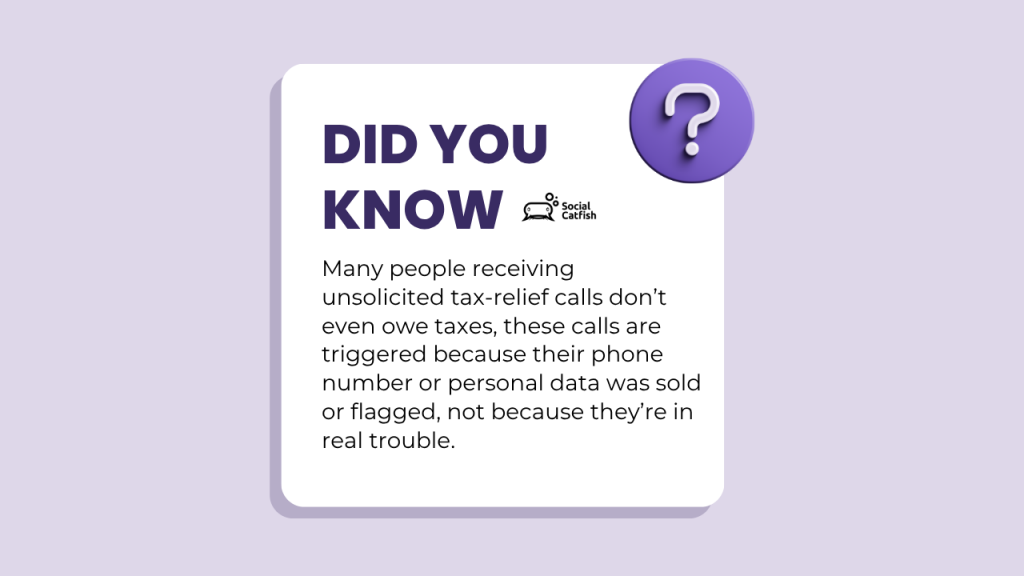
Here’s how they got your number. Data brokers might have sold your information. It could’ve leaked in a data breach. Maybe you filled out an online form years ago. Or they pulled your name from public tax lien records.
Scammers don’t need much: just a phone number and an auto-dialer.
Between November 2023 and January 2024, there were 15.8 million robocalls about a supposed “National Tax Relief Program.” But no such program exists.
Why Am I Getting Tax Debt Relief Calls If I Don’t Owe Taxes?
Good question. And it’s one that many people ask. The answer is simple: scammers don’t care if you actually owe money. They’re just dialing for dollars.
According to Tony Binkley, President/CEO at Better Business Bureau of Greater East Tennessee, “They don’t know if you have a tax issue or not. They’re just dialing random phone numbers.”
You could be debt-free. You could have filed your taxes perfectly on time. It doesn’t matter. These calls are mass-produced. They hope someone bites.
If you’re getting scam call numbers, you’re probably on a list. And once you’re on one list, your number gets passed around.
How the Scam Works
Here’s the typical setup. You get a robocall. The message is pre-recorded. It tells you that you “qualify” for tax debt relief under a new federal program. You’re urged to call back immediately.
When you call, a live agent answers. They sound professional. They ask a few questions, but not the kind a real IRS representative would ask. They don’t verify your income or assets. They don’t pull your tax history. Instead, they tell you you’re “pre-qualified.”
Then comes the fee. Usually, it’s upfront. Could be $2,000. Could be $6,000. In one case, someone paid $6,000 to a debt relief company only to discover that they had filed the paperwork incorrectly. When the victim hired a real tax attorney, it cost half as much.
After you pay, the scammer either files incorrect paperwork or does nothing at all.
Red Flags to Watch For
If you’re still asking yourself, “Why am I getting tax debt relief calls?” start looking for these warning signs:
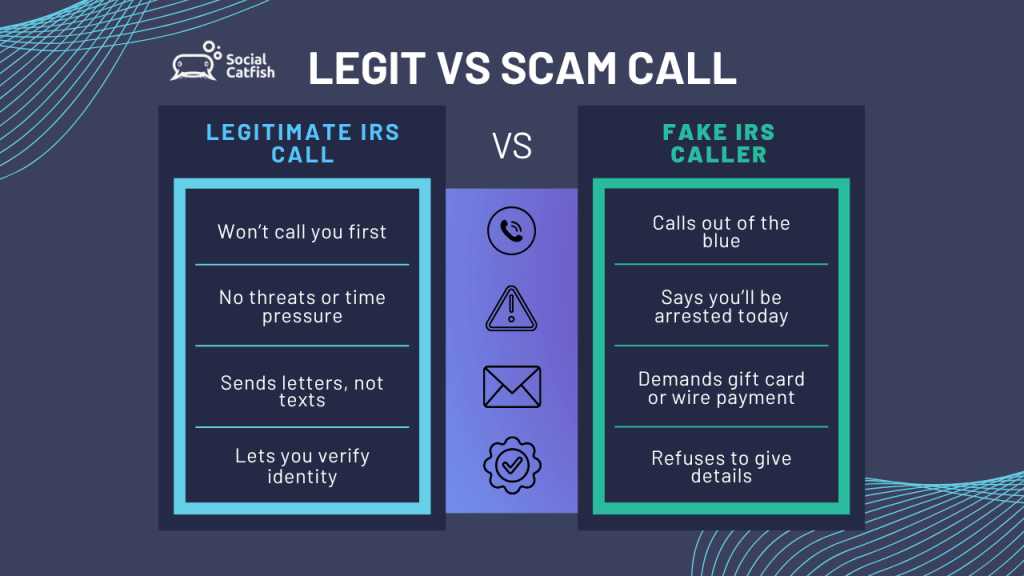
Unsolicited contact. The IRS will never call you out of the blue. They send letters first. Always.
Promises that sound too good to be true. If someone says they can wipe out your tax debt for “pennies on the dollar,” walk away. The real IRS Offer in Compromise program exists, but it has strict eligibility requirements.
Pressure to act fast. Scammers rush you. They say the offer expires soon. They want your credit card number right now.
No refund policy. Ask about refunds. Scammers either dodge the question or hang up.
They don’t ask the right questions. Legitimate debt relief requires proof of income, assets, and expenses to ensure transparency and accountability. If they skip that step, it’s a scam.
If you’re unsure about a caller, you can use reverse phone lookup tools to verify who’s really calling you.
What About No Caller ID?
Many of these tax scam calls appear with no caller ID. That’s because scammers use caller ID spoofing. It makes the number look local or hides it completely.
Don’t trust it. What does no caller ID mean? Usually, it means someone doesn’t want you to know who they are. And that’s never a good sign.
If you’re dealing with common scenarios for no caller ID calls, the best move is not to answer. Let it go to voicemail. If it’s important, they’ll leave a message. And if it’s the IRS? They’ll send you a letter.
How to Tell If a Phone Number Is Real
Before you call back, do a quick check. Social Catfish offers tools that help you find out if a phone number is real. You can search the number, see who it’s registered to, and find out if others have reported it as a scam.
This takes less than a minute and could save you thousands.
What Should You Do Instead?
If you actually owe taxes, don’t rely on a random phone call to fix it. Go directly to the IRS. They offer legitimate programs like payment plans and the Offer in Compromise. You don’t need a middleman.
You can set up a payment plan on IRS.gov. You can apply for an Offer in Compromise on your own. No upfront fees. No shady sales pitch.
And if you’re unsure where to start, consider consulting a certified public accountant or a licensed tax attorney. Not someone who cold-called you.
Why Social Catfish Is Your Best Defense
Here’s where Social Catfish comes in. We specialize in helping people identify unknown callers, verify phone numbers, and protect themselves from scams. If you’re asking, “Why am I getting tax debt relief calls?” we can help you get answers fast.
Our reverse phone lookup tool lets you search any number and see who’s really behind it. You’ll get details like the owner’s name, location, and whether the number has been flagged for scam activity.
We also help you identify and block fraudulent callers before they waste your time or steal your money. With Social Catfish, you’re not just reacting to scams. You’re staying one step ahead.
How to Stop the Calls
Want to reduce the number of scam calls you’re getting? Here are a few steps:
Block the number. Every time you get a scam call, block it. It won’t stop them all, but it helps.
Register with the National Do Not Call Registry. It’s free and takes two minutes. Go to DoNotCall.gov.
Use a call-blocking app. Many apps can automatically filter out known scam numbers.
Report the number. You can report scam calls to the Federal Trade Commission at ReportFraud.ftc.gov. You can also report them to your phone carrier.
If you need more help mitigating no caller ID spam, Social Catfish has resources that walk you through the process.
What If You’ve Already Paid?
If you’ve already given money to a tax debt relief scammer, act fast. Contact your bank or credit card company and dispute the charge. Report the scam to the FTC and your local police.
You should also contact the IRS directly to make sure nothing fraudulent has been filed in your name. The sooner you act, the better your chances of minimizing the damage.
The Bottom Line
So, why am I getting tax debt relief calls? Because scammers know tax season makes people nervous. They know a lot of us carry some form of debt. And they know that if they make enough calls, someone will answer.
But you don’t have to be that someone.
The IRS won’t call you. Real tax relief doesn’t come from a robocall. And if something sounds too good to be true, it probably is.
Use tools like Social Catfish’s reverse phone lookup to verify unknown numbers. Block suspicious callers. And if you need real help with taxes, go straight to the source.
Don’t let scammers win. Stay informed. Stay skeptical. And stay protected.