
 Multiple Faces Detected



 July 20th, 2025
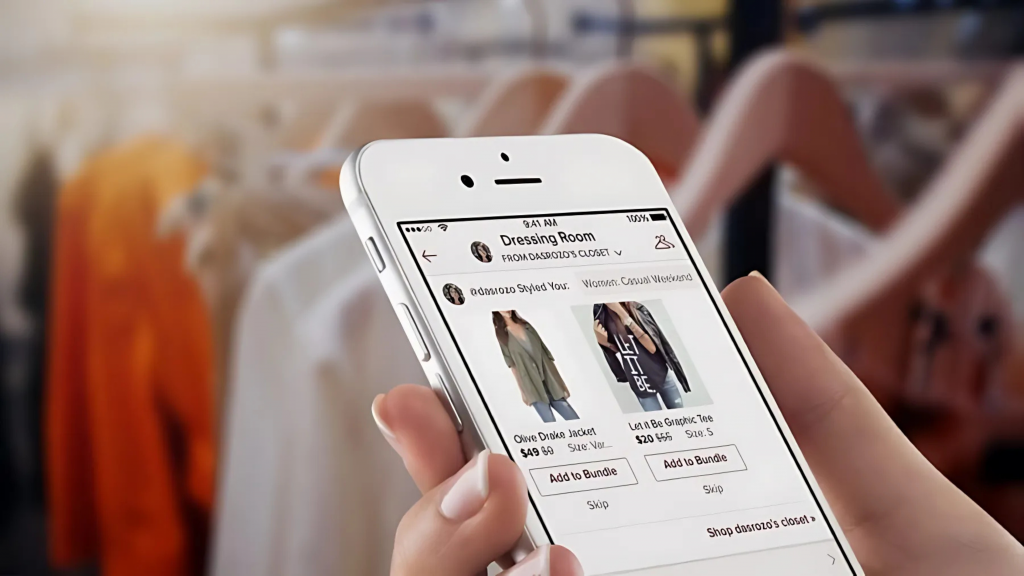
Poshmark scams are becoming more sophisticated as the platform grows. With over 80 million users worldwide, this popular resale marketplace attracts both legitimate sellers and crafty scammers looking to exploit unsuspecting buyers and sellers.
Whether you’re hunting for designer deals or clearing out your closet, knowing how to spot these scams can save you money and heartache. Let’s break down the most common tactics scammers use and how you can protect yourself.
The Most Common Poshmark Scams Targeting Sellers
Email Phishing Scams
One of the sneakiest Poshmark scams involves fake buyers commenting on your listings. They’ll claim your photos “aren’t displaying well” and ask you to email them clearer pictures.
Don’t fall for it. Once you send that email, they’ll hit you with a phishing message designed to steal your login credentials and payment information. According to Trend Micro’s research, these scammers even create fake Poshmark support emails to make their requests seem legitimate.
Red flags to watch for:
- Comments appearing within minutes of listing an item
- Buyers insisting photos are blurry when they look fine
- Requests to communicate outside the platform
- Generic email addresses in user bios
Fake Payment Confirmations
Scammers will send you screenshots of “payment confirmations” and pressure you to ship immediately. But here’s the catch – they never actually paid. These fake confirmations often have spelling errors or poor formatting that give them away.
Always verify payments through Poshmark’s platform, not through external messages or screenshots.
Impersonation Scams
This sophisticated scam involves fraudsters pretending to be both buyers and Poshmark support staff. Here’s how it works:
- The scammer poses as a buyer interested in your item
- They claim they’re having payment issues
- They show you a fake screenshot of “communication” with Poshmark support
- They direct you to contact a fake support email to “resolve account issues”
The fake email address mimics Poshmark’s official support, but it’s staffed by scammers trying to steal your credentials. Remember: all legitimate Poshmark emails end with @poshmark.com.
Buyer Beware: Scams Targeting Poshmark Shoppers
Counterfeit Luxury Items
Spotting counterfeit products is crucial when shopping for designer items. Scammers post fake luxury goods at suspiciously low prices to lure bargain hunters.
While Poshmark offers authentication for items over $500, cheaper designer pieces don’t get this protection. According to Posh Sidekick’s analysis, fake items are “pretty common” on the platform, especially for popular brands.
Warning signs of fake listings:
- Prices are significantly below market value
- Generic or stock photos instead of actual item photos
- Sellers with little to no feedback
- Multiple luxury items from new sellers at low prices
- Vague descriptions that avoid specific details
The “Item Never Shipped” Scam
After you pay, the seller might provide fake tracking information or simply disappear. They might delay communication to avoid responsibility while your money sits in limbo.
This is where understanding secure payment methods becomes essential. Always use Poshmark’s built-in payment system rather than external payment apps.
Bait and Switch Tactics
Some sellers advertise one item but send something completely different, or nothing at all. They might swap a genuine item for a cheap knockoff, hoping you won’t notice until it’s too late to dispute.
How Poshmark’s Protection Works (And Its Limits)
Poshmark offers two main protection programs:
Posh Protect covers every purchase and protects against:
- Damaged items
- Incorrect items
- Missing items
- Items not as described
- Non-authentic items
Posh Authenticate offers free authentication for items valued at $500 or more. These luxury items are sent to Poshmark’s headquarters for expert verification before being shipped to buyers.
However, here’s the catch: you only have three days after delivery to report any problems. Miss that window, and you’re out of luck.
Red Flags That Scream “Scam”
For Sellers:
- Buyers asking to communicate off-platform
- Requests to use different payment methods, like Venmo or PayPal
- Pressure to ship to addresses different from their profile
- Generic comments like “Interested, email me ASAP”
For Buyers:
- Deals that seem too good to be true
- Sellers refusing to provide additional photos
- Listings with watermarks from other websites
- Multiple luxury items from brand-new sellers
- Urgent language pressuring quick purchases
Protecting Yourself: Smart Shopping Strategies
Before You Buy:
- Check seller ratings and reviews thoroughly
- Look for consistent photo styles showing actual items
- Ask specific questions about the condition and authenticity
- Research typical prices for the item elsewhere
- Be extra cautious with online payments
Before You Sell:
- Take detailed photos before shipping
- Use Poshmark’s prepaid shipping labels
- Keep tracking numbers and shipping receipts
- Never communicate outside the platform
- Document your packaging process with timestamped photos
The Bigger Picture: Online Shopping Scam Trends
Poshmark scams are part of a larger trend affecting online marketplaces. The surge in online shopping scams has made platforms like Poshmark attractive targets for fraudsters.
These scammers often exploit the same tactics used across different platforms, making it crucial to understand broader online safety principles. Sharing personal information in comments or messages can lead to identity theft, extending beyond shopping scams.
What to Do If You’ve Been Scammed
If You’re a Buyer:
- Report the issue within 3 days of delivery
- Provide detailed photos and documentation
- Contact Poshmark support immediately
- Consider disputing charges with your credit card company
If You’re a Seller:
- Report suspicious buyer behavior to Poshmark
- Keep all communication records
- Document shipping proof and item condition
- Never ship items without confirmed payment through Poshmark
Advanced Scam Tactics to Watch For
Account Takeover Schemes
Scammers steal login information through phishing emails, then use compromised accounts to run additional scams. They target accounts with good ratings to appear more trustworthy.
Chargeback Fraud
After receiving an item, dishonest buyers initiate chargebacks with their bank, claiming that the purchase was unauthorized. This leaves sellers without both the item and payment.
Return Fraud
Buyers claim items are “not as described,” return different or damaged items, but keep the originals. This sophisticated scam exploits Poshmark’s return policy.
Building Your Scam Detection Skills

The key to avoiding Poshmark scams is developing a healthy skepticism. Trust your instincts – if something feels off, it probably is.
Remember that scammers prey on people’s sense of urgency and emotions. They’ll pressure you to act fast or offer deals that seem too good to pass up. Take time to research, ask questions, and verify information before committing to any transaction.
Your Safety Net: What Social Catfish Can Do
While Poshmark’s built-in protections help, sometimes you need additional verification tools. Social Catfish specializes in helping people verify online identities and protect themselves against scams across different platforms.
Whether you’re dealing with suspicious sellers, questionable buyers, or need to verify someone’s identity, having access to comprehensive background checking tools can provide extra peace of mind in your online transactions.
Staying One Step Ahead
Poshmark scams evolve constantly, but the fundamentals remain the same: verify before you trust, use secure payment methods, and keep all transactions within the platform’s protection umbrella.
By staying informed about current scam tactics and maintaining healthy skepticism, you can enjoy Poshmark’s benefits while avoiding its pitfalls. Remember, a little caution upfront can save you significant headaches later.
The resale market offers amazing opportunities for both buyers and sellers. Don’t let scammers ruin the experience – arm yourself with knowledge and shop smart.