
 Multiple Faces Detected


 November 28th, 2025
You check your bank account. Something’s wrong. Charges you didn’t make. Accounts you didn’t open.
Your stomach drops.
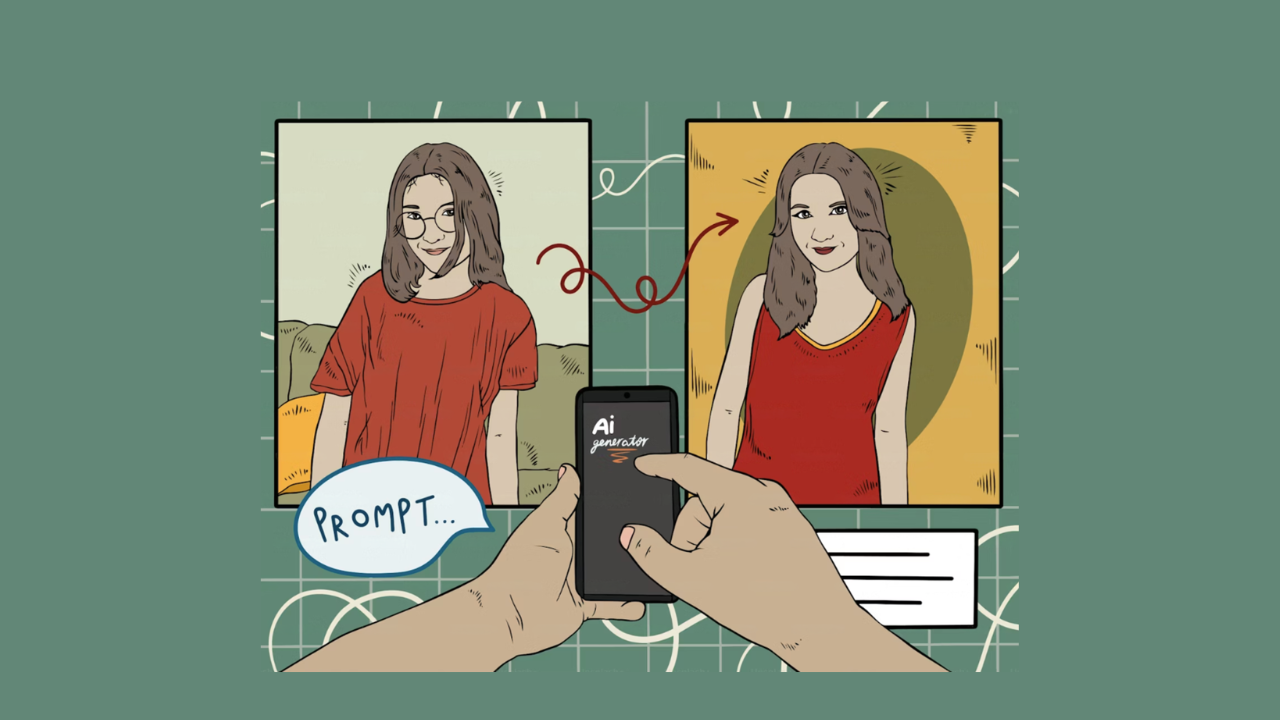
Identity theft ruins lives. It drains bank accounts, destroys credit scores, and leaves victims scrambling to prove they are who they say they are. And scammers? They’re getting smarter every day. They use AI to create fake profiles and craft messages that sound real. They prey on people looking for connection, especially those using dating apps.
But here’s the good news: you can fight back. With the right online safety tips, you can protect your personal information and spot scams before they catch you. Whether you’re shopping online, scrolling through social media, or swiping through dating apps, staying safe starts with knowing what to look out for.
Why Online Safety Matters More Than Ever
The numbers don’t lie. According to the Federal Trade Commission, identity theft and online scams cost Americans billions each year. Romance scams alone led to over $1.14 billion in losses, with victims losing a median of $2,000 each.
Scammers target everyone. Kids, seniors, military members, and yes, people looking for love online. They steal Social Security numbers, drain bank accounts, and ruin credit. The emotional toll? Just as devastating as the financial hit.
That’s why following basic online safety tips isn’t optional anymore. It’s essential.
Protect Your Personal Information
Your personal data is gold to scammers. They want your full name, address, Social Security number, and banking details. Once they have it, they can open credit cards in your name, file fake tax returns, or sell your information on the dark web.
Here’s how to keep your data locked down:
Use strong passwords. Mix letters, numbers, and symbols. Make them at least 16 characters long. Don’t reuse passwords across sites. Use a password manager if you need help keeping track.
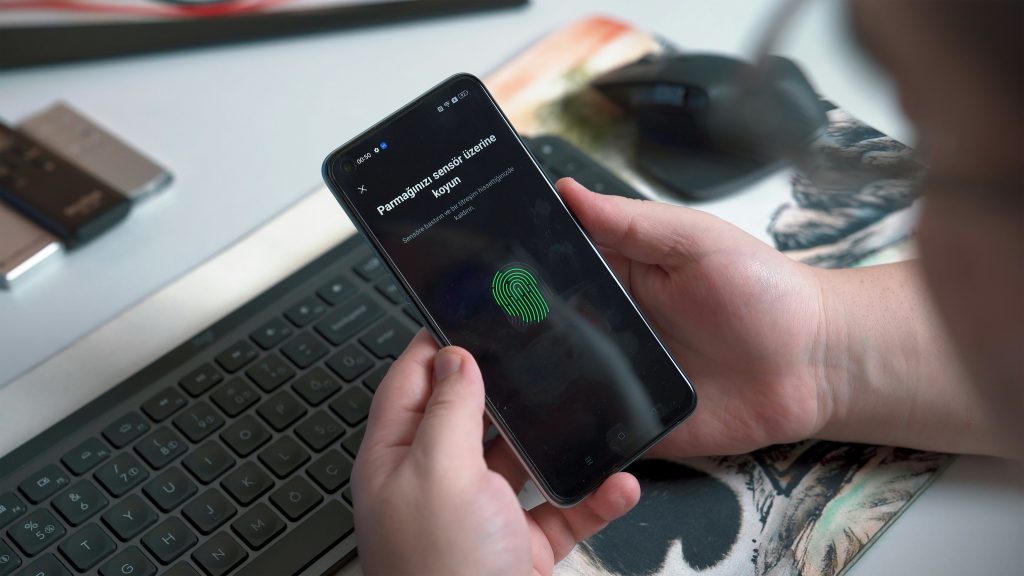
Enable two-factor authentication. This adds an extra layer of security. Even if someone steals your password, they can’t get in without that second code.
Don’t overshare on social media. Posting your birthday, pet’s name, or mother’s maiden name? That’s handing scammers the answers to your security questions.
Shred sensitive documents. Bank statements, medical bills, and credit card offers. Shred them before tossing them out. Dumpster diving is still a thing.
Spot the Red Flags of Online Scams
Scammers are everywhere. Email, text messages, social media, and dating apps. They pretend to be your bank, the IRS, or a potential romantic partner. But they all have one goal: steal your money or information.
Watch for these warning signs:
Urgent requests. Scammers create panic. “Your account will be closed!” “You owe taxes!” “I need money for an emergency!” Real companies don’t operate this way.
Requests for payment via gift cards or wire transfers. Legitimate businesses don’t ask for payment through gift cards, cryptocurrency, or wire transfers. If someone does, it’s a scam.
Too good to be true offers. Won a contest you didn’t enter? Got a job offer without applying? If it sounds too good to be true, it probably is.
Poor grammar and spelling. Many scam messages contain obvious errors. That’s often a red flag.
Online Dating Safety Tips You Need to Know
Looking for love online? You’re not alone. Over 50% of adults aged 18-30 have used dating apps. But scammers know this too. They create fake profiles, build trust, then strike.
Scams have targeted 40% of people on dating apps. Even scarier? 53% couldn’t tell the difference between AI-generated photos and real ones.
Here are essential online dating safety tips:
Stick to reputable platforms. Use well-known apps like Tinder, Hinge, or Bumble. They have better security features and moderation.
Keep personal details private. Don’t share your full name, address, workplace, or phone number right away. Keep conversations on the app until you’re sure about someone.
Video chat before meeting. A quick video call can confirm someone’s identity. If they refuse or make excuses, that’s a red flag.
Meet in public places. Coffee shops, restaurants, parks. Never meet at someone’s home or a secluded location for a first date.
Tell someone where you’re going. Share your plans with a friend or family member. Let them know who you’re meeting and when you’ll check in.
Watch for common scam tactics. Does your match claim to work on an oil rig? Are they overseas? Do they ask for money? These are classic romance scam warning signs.
Never send money. Real romantic interests don’t ask for money, gift cards, or cryptocurrency. If someone does, block them immediately.
Do your research. Use reverse image search to check if profile photos are stolen. Look for hidden profiles or dating site profiles to verify someone’s identity.
Secure Your Devices and Accounts
Your phone, computer, and tablet are gateways to your personal information. If they’re not secure, you’re vulnerable.
Follow these online safety tips for your devices:
Keep software updated. Updates patch security holes. Don’t ignore them.
Use antivirus software. It catches malware before it can steal your data.
Secure your Wi-Fi. Use a strong password and WPA3 encryption. On public Wi-Fi, use a VPN to encrypt your connection.
Enable remote wipe. If your phone gets stolen, you can erase all data remotely.
Be careful what you download. Only download apps from official stores. Avoid clicking suspicious links in emails or texts.
How to Verify Someone’s Identity Online
Meeting someone new online? Don’t just take their word for who they are. Do some digging.
Google their name. See what comes up. Look for social media profiles, news articles, or anything that confirms their story.
Use reverse image search. Upload their profile photo to see if it appears elsewhere online. Scammers often steal photos from models or other people’s social media.
Check their social media. Real people have authentic online presences. Look for posts over time, interactions with friends, and photos that match their story.
Use Social Catfish. This is where Social Catfish comes in. Social Catfish specializes in helping people verify identities and catch catfishers. Their tools include reverse image search, reverse phone lookup, reverse email search, and username search. You can even find out if someone has dating profiles or hidden social media accounts.
Social Catfish makes it easy to uncover the truth. Whether you’re worried about a potential catfish or just want peace of mind, their platform gives you the tools to investigate. They’ve helped thousands of people avoid scams and find the truth about who they’re really talking to online.
What to Do If You’ve Been Scammed
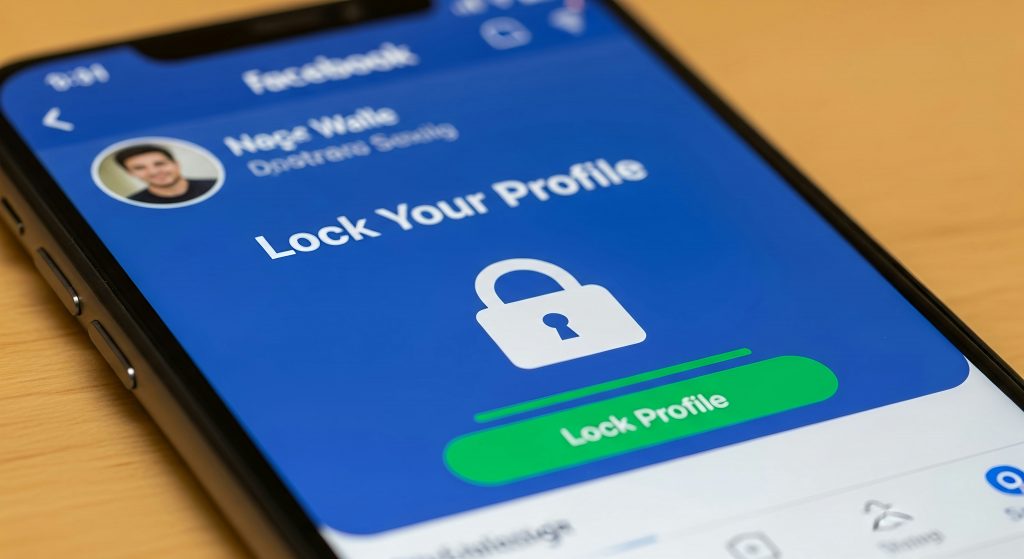
Caught in a scam? Act fast.
Stop all contact. Block the scammer immediately. Don’t send any more money or information.
Report it. File a report with the FTC at ReportFraud.ftc.gov. Report the scam to the dating platform or website where it happened.
Contact your bank. If you sent money, call your bank or credit card company right away. They may be able to reverse the transaction.
Freeze your credit. If you shared personal information, freeze your credit with all three major credit bureaus to prevent new accounts from being opened in your name.
Change your passwords. Update passwords for any accounts that may have been compromised.
Document everything. Save screenshots, emails, and messages. This evidence can help law enforcement and financial institutions.
Trust Your Gut
Sometimes the best online safety tips come down to instinct. If something feels off, it probably is.
Does someone’s story not add up? Are they avoiding your questions? Do they pressure you to move fast? Trust that feeling.
Healthy relationships, whether online or offline, are built on trust and respect. If someone makes you uncomfortable, it’s okay to walk away. Block them. Report them. Move on.
Your safety matters more than being polite.
Stay Safe, Stay Smart
Identity theft and online scams aren’t going away. But you don’t have to be a victim. By following these online safety tips and online dating safety tips, you can protect yourself, your money, and your personal information.
Remember:
Use strong passwords and two-factor authentication. Keep personal information private. Watch for red flags. Verify identities before trusting someone. Meet in public places. Never send money to someone you haven’t met in person.
And when you need help verifying someone’s identity or uncovering the truth about who you’re talking to online, Social Catfish is the best tool for the job. Their comprehensive search tools make it easy to find someone on dating sites, check for catfishing signs, and protect yourself from scammers.
Stay vigilant. Stay informed. And most importantly, stay safe out there.