 Multiple Faces Detected


 January 22nd, 2026
You matched with someone on the OkCupid dating site. Their profile looks great. The conversation flows. But something feels…off.
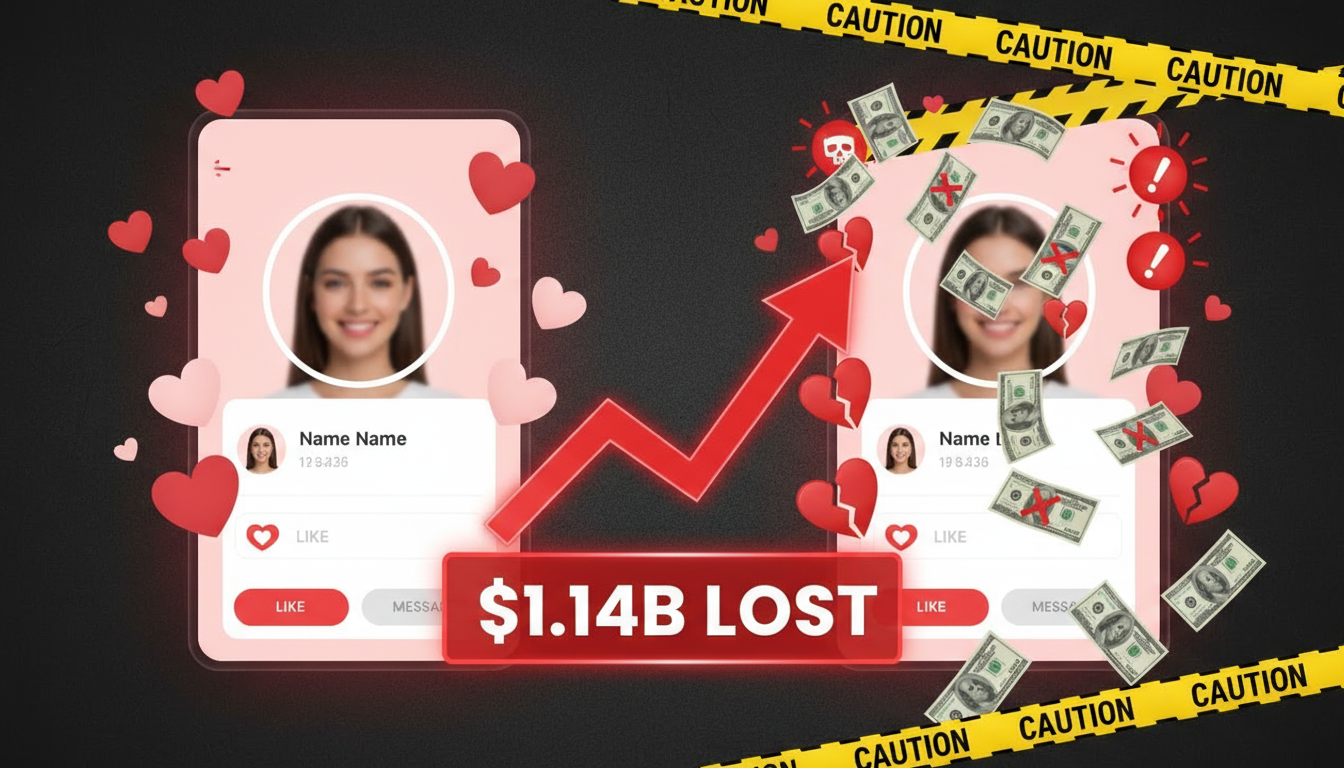
Trust that feeling. Because according to the FTC, Americans lost over $1.14 billion to romance scams in 2023 alone. That’s billion with a “b.”
Here’s the thing: fake profiles aren’t always obvious. Some scammers put in effort. Others don’t even try. But if you know what to look for, you can spot the red flags before you waste time or worse, lose money. If you’re unsure about someone you met online, use Social Catfish to verify their identity and protect yourself from romance scams before it’s too late.
Why OkCupid Profiles Are Easy Targets for Scammers
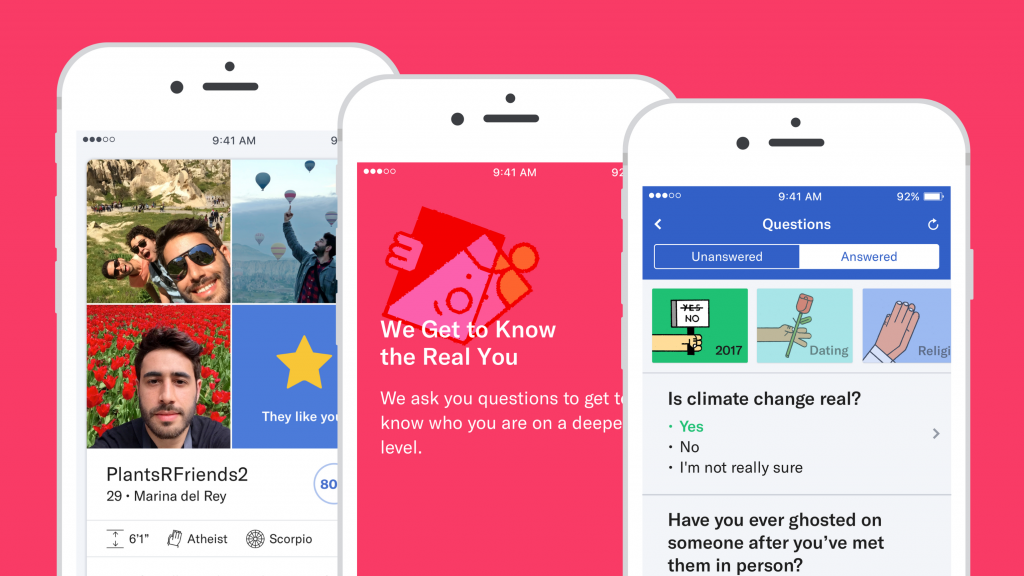
OkCupid asks fun questions. “Do you like scary movies?” “Where would you travel?” Great for matching. Also great for scammers.
Every answer you give is free intel. Say you’re looking for a long-term relationship? Suddenly, you’ve got matches promising eternal love. Mention you like travel? They’re a globetrotting photographer. The more they know, the easier it is to play you.
The platform verifies profiles through email and phone numbers. Sounds secure. But creating fake emails and burner phones? Child’s play for scammers. It’s impossible to know exactly how many fake OkCupid profiles exist because of these verification loopholes.
Red Flag #1: Their Photos Look Too Perfect
Model-quality photos. Professional lighting. One or two images max.
Real people have messy selfies. Group photos. Pictures from last weekend’s brunch. Scammers? They steal photos from Instagram models, stock image sites, or other people’s profiles.
Look for these warning signs:
- Only 1-2 photos on the profile
- All photos look professionally shot
- Watermarks or odd cropping
- Same background in every pic
Real example: A profile shows a stunning woman in designer clothes against a white backdrop, with no casual photos. No friends. No context. That’s a stolen stock photo.
What to do: Use Social Catfish’s reverse image search to check if their photos appear elsewhere online. Upload their picture and see what comes up. If it’s tied to a different name or shows up on multiple profiles, you’re dealing with a fake.
Red Flag #2: Their Bio Is Vague or Over-the-Top
Fake OkCupid profiles fall into two camps:
Camp one: Blank or generic bios. “Love to laugh.” “Looking for my soulmate.” Nothing personal. Nothing specific. Just copy-paste fluff that could describe anyone.
Camp two: Over-the-top romantic. Loaded with emojis. Cheesy lines like “Looking for my queen 👑💕” or “Ready to worship the right woman.”
Real people show personality. They mention hobbies, favorite shows, and pet peeves. Scammers keep it vague so they don’t have to remember details.
Real example: A profile bio reads: “Successful entrepreneur. Love life and adventure. Looking for someone special.” No specifics. No real personality. Just generic buzzwords.
Red Flag #3: They Want to Move Off OkCupid Immediately
You matched five minutes ago. They’re already asking for your WhatsApp, Telegram, or phone number.
Red flag.
Scammers want you off the dating site quickly. Why? Because platforms like OkCupid can flag and ban suspicious accounts. Moving to an external app? They have more control. And if you report them later, they’ve already disappeared.
Real people are fine chatting on the app for a while. They want to feel you out, too. Scammers? They rush.
What to do: Keep conversations on OkCupid until you’ve verified they’re real. Never share your personal phone number or switch to random messaging apps with someone you just matched with. Check out how to conduct an OkCupid search to verify your match’s identity.
Red Flag #4: They Refuse to Video Chat (Always Have an Excuse)
“My camera’s broken.” “Bad internet connection.” “I’m shy about video calls.”
If someone refuses to FaceTime, Zoom, or video chat after multiple requests, they’re hiding something. In 2025, everyone has access to video calling. If they claim they don’t, they’re lying.
Scammers use stolen photos. They can’t show their real face because it won’t match the profile. So they make excuses. Always.
Real example: You suggest a quick video call. They agree but cancel at the last minute. “Sorry, got called into work.” Next time? “My phone’s acting up.” Third time? “I’m sick, maybe next week.”
Pattern established. That’s a scammer.
What to do: Insist on a video call before investing more time. Real people who are interested will make it happen. If they keep dodging, move on. Read about Diane’s experience with a romance scammer on OkCupid to see how refusing video chats played out.
Red Flag #5: They’re Always Traveling or Overseas
“I’m deployed overseas.” “I’m on a business trip in Malaysia.” “I work on an oil rig.”
Romance scammers love claiming they’re far away. It explains why they can’t meet up. It adds a layer of “exotic” to their persona. And it sets up future requests for money.
Scammers often pose as military personnel, international businesspeople, or workers stationed abroad. These cover stories make it easy to avoid in-person meetings while building emotional connections.
What to do: Ask specific questions about their location, job, and daily life. Real people provide details. Scammers stay vague or contradict themselves. Use Social Catfish’s background search tools to verify their story.
Red Flag #6: Love Bombing From Day One
“I’ve never felt this way before.” “You’re my soulmate.” “I think I’m falling for you.”
It’s been three days.
This tactic is called “love bombing.” Scammers overwhelm you with affection to create a false sense of intimacy. They want you emotionally invested before you start asking questions.
Real relationships develop gradually. You learn about each other. You build trust over time. Scammers don’t have time for that. They need you hooked fast.
Real example: After two days of messaging, they say, “I can’t stop thinking about you. I think you’re the one I’ve been waiting for.” Sounds romantic. It’s manipulation.
Red Flag #7: Their Story Keeps Changing
They said they’re from Chicago. Now they’re mentioning growing up in Boston. They claimed to be a doctor. Now they’re talking about their business.
Liars forget details. And scammers are liars.
Real people have consistent stories. Their childhood, job, family, and location don’t randomly change. If your match can’t keep their story straight, they’re making it up.
What to do: Ask the same question weeks apart. See if the answer changes. Take notes if you need to. Inconsistencies are proof you’re being scammed.
Red Flag #8: They Ask for Money (Or Cryptocurrency “Opportunities”)
This is the endgame. Once they’ve built trust, scammers ask for money.
Common scenarios:
- Medical emergency
- Legal fees
- Stuck overseas and need travel money
- “Investment opportunity” in cryptocurrency
- Gift cards for a “surprise”
Let’s be clear: No one you’ve never met should ask you for money. Ever.
According to the FBI, romance scams involving cryptocurrency investment fraud have skyrocketed. Scammers pose as successful investors, gain your trust, then convince you to “invest” in fake schemes.
Real example: They claim their mother is sick and they need $2,000 for surgery. Or they suggest you invest in a “can’t-miss” crypto opportunity and need you to transfer funds to get started.
What to do: Block immediately. Report the profile to OkCupid. Never send money, gift cards, or cryptocurrency to online matches. Learn more about dating profile searches to verify identities before engaging further.
Red Flag #9: They Avoid Meeting in Person
“I really want to see you, but…” There’s always a “but.”
They’ll make plans. Get your hopes up. Then, cancel at the last minute. Repeatedly.
Or they’ll agree to meet, if you send money for their plane ticket first. (Don’t.)
Scammers will never meet you in person. They can’t. They’re not who they say they are. So they’ll keep dangling the possibility while making excuses.
What to do: Suggest a meeting in a public place. If they bail more than once, you have your answer. Explore resources on how to find someone on dating sites to verify their legitimacy.
How to Verify an OkCupid Profile Before It’s Too Late

Don’t wait for red flags to pile up. Verify your match early.
Step 1: Reverse image search their photos. Use tools like Google’s reverse image search or Social Catfish’s image search to see if their pictures appear elsewhere online.
Step 2: Search their name and details. Google their name plus any information they’ve shared. Check Social Catfish’s username search to see if they’ve given you a username or email address.
Step 3: Check their social media. Real people have digital footprints. Look them up on Facebook, Instagram, and LinkedIn. If they don’t exist anywhere, that’s suspicious. Learn how to find social media accounts by phone number.
Step 4: Use Social Catfish for a full background check. Social Catfish searches over 200 billion records to verify identities. Upload their photo, name, phone number, or email. You’ll get a detailed report showing if they’re real or using stolen information.
What Makes Social Catfish the Best Option for Verifying Matches
When you’re talking to someone on OkCupid, you want answers fast. Is this person real? Are they using stolen photos? What’s their actual background?
Social Catfish is built specifically for this. Unlike generic background check sites, Social Catfish specializes in uncovering online deception. Their tools search:
- Social networks
- Dating sites
- Public records
- Professional records
- News articles
- Educational databases
You get a comprehensive report showing if your match is legit or a scammer using a fake identity. And their reverse phone lookup tool can verify the phone number they gave you.
Real people check out. Scammers don’t. Social Catfish gives you the proof you need before investing time, emotions, or money into a connection.
Other Common OkCupid Scams to Watch For
Romance scams aren’t the only danger on the OkCupid dating site.
Sextortion scams: The match shares intimate content and asks you to do the same. Then they threaten to expose you unless you pay. Sextortion on OkCupid has become increasingly common.
Phishing scams: They send links to “verify your identity” or “see more photos.” Clicking these links can install malware or steal your login credentials.
Gift scams: They claim to send you a gift, then ask for “delivery fees” or “customs charges.” No gift ever arrives.
Learn about the 12 signs you might be getting catfished to protect yourself across all dating platforms.
Staying Safe on OkCupid: Quick Tips
- Only talk to verified accounts when possible
- Keep conversations on the app until you’ve verified their identity
- Never send money, gift cards, or cryptocurrency
- Never share sensitive personal information (address, financial details, SSN)
- Insist on video calls before meeting
- Meet in public places if you decide to connect in person
- Trust your gut—if something feels off, it probably is
Explore top dating sites of 2020 to compare safety features across platforms. And check is OkCupid safe? Here’s what you need to know for a deeper dive into platform security.
What to Do If You’ve Been Scammed on OkCupid
If you’ve already sent money or shared intimate content, don’t panic. Act fast:
- Stop all communication. Don’t engage further.
- Don’t send more money. They’ll keep asking. Don’t give in.
- Document everything. Screenshot messages, profile info, and any evidence.
- Report to OkCupid. Use their reporting tools to flag the account.
- Report to authorities. File a complaint with the FBI’s Internet Crime Complaint Center (IC3).
- Contact your bank. If you sent money, alert your financial institution immediately.
- Change passwords. Secure all your accounts with strong, unique passwords.
- Run a background check. Use Social Catfish to gather evidence on the scammer’s identity.
For additional support, read about romance scams and dating app scams to understand the full scope of these schemes.
Your Next Move: Verify Before You Trust
Dating online should be exciting. Not terrifying.
But when fake OkCupid profiles lurk around every corner, you need to protect yourself. Look for the red flags. Ask questions. Verify identities. And don’t ignore your instincts.
The best defense? Information. Use tools like Social Catfish to verify matches before you invest emotions, time, or money. A quick reverse image search or background check can save you from heartbreak and financial loss.
Want to search for someone right now? Check out how to find hidden profiles on social networks or run a reverse email search to verify their identity.
Because when it comes to online dating, trust should be earned. Not given away for free.